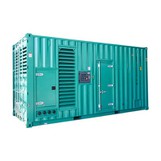
Hey there! As a supplier of Canopy Diesel Generators, I often get asked about how to clean these bad boys. Keeping your generator clean is super important for its performance and longevity. So, let's dive right into the nitty - gritty of cleaning a Canopy Diesel Generator.
Pre - cleaning Preparations
Before you start cleaning, safety should be your top priority. First off, make sure the generator is turned off and has cooled down completely. You don't want to burn yourself on a hot engine. It's also a good idea to disconnect the battery. This will prevent any accidental electrical shocks while you're working on it.
Next, gather all the cleaning supplies you'll need. You'll want a soft - bristle brush, a mild detergent, a bucket of water, and some clean rags. A pressure washer can also be handy, but use it with caution as too much pressure can damage some parts of the generator.
Cleaning the Exterior
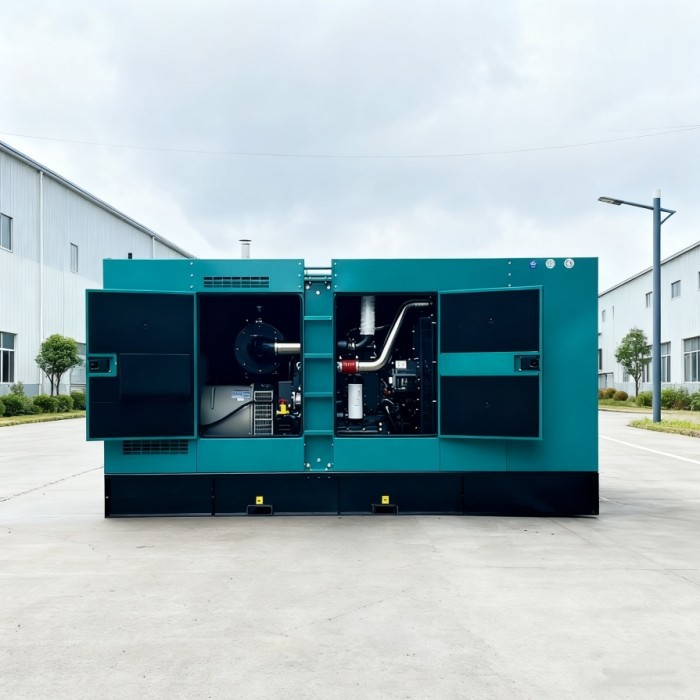
Let's start with the outside of the canopy. Use your soft - bristle brush to gently remove any loose dirt, dust, or debris. Pay special attention to the corners and crevices where dirt tends to accumulate. Once you've brushed off the loose stuff, mix up a solution of mild detergent and water in the bucket.
Dip a clean rag into the soapy water and start wiping down the canopy. Make sure to cover every surface, including the top, sides, and doors. If there are any stubborn stains, you can use a little more pressure, but be careful not to scratch the paint. After you've wiped down the entire canopy, rinse it off with clean water. You can use a hose for this. Make sure all the soap is removed, as any leftover soap can attract more dirt.
Cleaning the Air Intake and Exhaust
The air intake and exhaust are crucial parts of the generator. A clogged air intake can reduce the generator's efficiency, and a dirty exhaust can cause problems with emissions.
For the air intake, remove the air filter. You can usually find it under a cover on the side of the generator. Take the filter out and tap it gently on a hard surface to remove any loose dirt. If the filter is really dirty, you may need to wash it. Some filters can be washed with mild detergent and water, but make sure to follow the manufacturer's instructions. Let the filter dry completely before putting it back in.
The exhaust system can be a bit trickier to clean. You can use a brush to remove any visible soot or debris from the exhaust pipe. If there's a lot of buildup, you might need to use a specialized exhaust cleaner. Just be careful when using these cleaners, as they can be quite strong.
Cleaning the Engine
Cleaning the engine is a bit more involved. First, make sure the engine is completely cool. You don't want to start cleaning a hot engine, as it can be dangerous and may cause damage.
Use a soft - bristle brush to remove any dirt and debris from the engine. Be careful around sensitive parts like the spark plugs and wires. You can also use compressed air to blow out any dust from hard - to - reach areas.
If the engine is really dirty, you can use a degreaser. Spray the degreaser on the engine and let it sit for a few minutes to break down the grease and grime. Then, use a brush to scrub the engine gently. Rinse the engine thoroughly with water, making sure not to get water in any sensitive areas.
Cleaning the Fuel System
The fuel system is another important part of the generator. A dirty fuel system can cause the generator to run poorly or even break down.
Start by draining the fuel tank if it's due for a change. Make sure to dispose of the old fuel properly. You can use a fuel filter wrench to remove the fuel filter. Replace it with a new one according to the manufacturer's recommendations.
Clean the fuel lines by using a fuel line cleaner. This will help remove any deposits or contaminants in the lines. You can also clean the carburetor if your generator has one. Use a carburetor cleaner and a small brush to clean the carburetor thoroughly.
Cleaning the Battery
The battery is essential for starting the generator. To clean the battery, first, disconnect it from the generator. Use a mixture of baking soda and water to clean the battery terminals. Make a paste and apply it to the terminals with a brush. Scrub gently to remove any corrosion. Rinse the terminals with clean water and dry them thoroughly.
Post - cleaning Checks
After you've finished cleaning the generator, it's important to do a few checks. Make sure all the parts are reassembled correctly. Check the oil level and add more if necessary. Also, check the coolant level if your generator has a cooling system.
Start the generator and let it run for a few minutes. Listen for any strange noises or vibrations. If everything seems to be running smoothly, you're good to go.
Why Cleaning Matters
Regular cleaning of your Canopy Diesel Generator is not just about making it look good. It can significantly improve its performance. A clean generator runs more efficiently, which means it uses less fuel and produces less emissions. It also reduces the risk of breakdowns and extends the lifespan of the generator.
If you're in the market for a new generator, we offer a wide range of options. Check out our 15KVA Perkins Silent Generator, Silent Diesel Generator, and 200kw Silent Diesel Generator.

If you have any questions about cleaning your generator or are interested in purchasing one, don't hesitate to reach out. We're here to help you keep your generator in top shape and find the perfect generator for your needs.
References
- Generator user manuals
- Industry best practices for generator maintenance