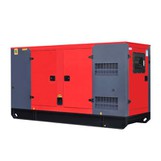
Yo, folks! As a supplier of soundproof diesel generators, I've been getting a bunch of questions about how the soundproof enclosure of a diesel generator affects heat dissipation. It's a super important topic, 'cause if you don't get the heat dissipation right, it can mess up your generator big time. So, let's dig into it.
First off, let's talk about why we even use soundproof enclosures for diesel generators. Diesel generators are great for providing power when you need it, but they can be really loud. That's a problem, whether you're using it at a construction site, a hospital, or even at your home. A soundproof enclosure helps to reduce the noise level, making it more bearable for everyone around.
But here's the thing: when you put a diesel generator inside a soundproof enclosure, you're basically creating a closed environment. And when the generator runs, it produces a ton of heat. Without proper heat dissipation, that heat can build up inside the enclosure and cause all sorts of problems. It can damage the generator components, reduce its efficiency, and even lead to a complete breakdown.
So, how does the soundproof enclosure affect heat dissipation? Well, there are a few key factors to consider.
Insulation Material
The insulation material used in the soundproof enclosure plays a big role in heat dissipation. Most soundproof enclosures are made with materials that are good at absorbing sound, like fiberglass or foam. These materials are great for reducing noise, but they're not so great at conducting heat. That means they can trap heat inside the enclosure, making it harder for the heat to escape.
For example, if you have an enclosure with thick fiberglass insulation, it might do a really good job of keeping the noise down. But at the same time, it can also prevent the heat from getting out. This can lead to overheating issues, especially if the generator is running for long periods of time.
Ventilation Design
Another important factor is the ventilation design of the enclosure. Proper ventilation is crucial for heat dissipation. The generator needs fresh air to come in and hot air to go out. If the ventilation is poor, the hot air can't escape, and the temperature inside the enclosure will rise.
There are different types of ventilation systems that can be used in soundproof enclosures. Some enclosures have simple vents on the sides or top, while others have more complex ventilation systems with fans and ducts. The design of the ventilation system should be based on the size and power of the generator, as well as the specific requirements of the application.
For instance, a 15KVA Perkins Silent Generator might require a different ventilation system compared to a 200kw Silent Diesel Generator. The larger generator will produce more heat, so it will need a more efficient ventilation system to keep it cool.
Enclosure Size
The size of the soundproof enclosure also matters. A smaller enclosure will have less space for the heat to spread out, which means it can get hotter more quickly. On the other hand, a larger enclosure will provide more room for the air to circulate, making it easier for the heat to dissipate.
However, you can't just go for the biggest enclosure possible. You also need to consider the practical aspects, such as the available space at the installation site and the cost. It's a balance between providing enough space for heat dissipation and keeping the enclosure compact and cost - effective.
Cooling System of the Generator
The cooling system of the diesel generator itself is also a key part of the equation. Most diesel generators have a built - in cooling system, such as a radiator or a water - cooled system. The soundproof enclosure should be designed in a way that doesn't interfere with the operation of the generator's cooling system.
For example, if the radiator of the generator needs to draw in fresh air for cooling, the enclosure should have openings that allow the air to flow freely to the radiator. If the enclosure blocks the airflow to the radiator, the cooling system won't work properly, and the generator will overheat.
Now that we've talked about how the soundproof enclosure affects heat dissipation, let's look at some solutions to ensure proper heat management.
Optimize the Insulation
One way is to use insulation materials that have a better balance between sound absorption and heat conduction. There are some advanced insulation materials available on the market that can provide good soundproofing while still allowing some heat to pass through. This can help to reduce the heat buildup inside the enclosure.
Improve the Ventilation
Upgrading the ventilation system is another effective solution. You can add more vents, install larger fans, or use a more efficient duct design. This will increase the airflow inside the enclosure, allowing the heat to escape more easily.
For example, if you have a Canopy Diesel Generator with a basic ventilation system, you might consider adding some additional fans to improve the air circulation.


Monitor the Temperature
It's also important to monitor the temperature inside the enclosure. You can install temperature sensors to keep track of the temperature. If the temperature starts to rise above a safe level, you can take action, such as adjusting the ventilation or reducing the load on the generator.
As a soundproof diesel generator supplier, we understand the importance of getting the heat dissipation right. That's why all our generators, including the Mobile Silent Diesel Generator and 20kw Silent Diesel Generator, are designed with careful consideration of heat management.
If you're in the market for a soundproof diesel generator, or if you have any questions about heat dissipation or other aspects of our products, don't hesitate to reach out. We're here to help you make the right choice and ensure that your generator runs smoothly and efficiently.
In conclusion, the soundproof enclosure of a diesel generator has a significant impact on heat dissipation. But with the right design, materials, and ventilation, you can effectively manage the heat and keep your generator in top condition. So, whether you're using a generator for a small - scale project or a large - scale industrial application, make sure you pay attention to the heat dissipation aspect.
References
- "Diesel Generator Handbook" by Nikola Tesla Press
- "Soundproofing and Heat Management in Electrical Equipment" by Industrial Tech Publishers