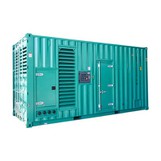
As a supplier of low noise diesel generators, I often get asked about how to adjust the speed of these machines. It's a crucial aspect, especially when you're looking for a reliable power source that can meet your specific needs. In this blog, I'll share some insights on how to adjust the speed of a low noise diesel generator and why it matters.
Why Adjusting the Speed is Important
Before we dive into the how-to, let's understand why adjusting the speed of a diesel generator is so important. The speed of a generator determines the frequency of the electricity it produces. In most countries, the standard frequency for electrical power is 50 or 60 Hz. If the generator speed is not properly adjusted, it can lead to issues such as unstable power output, damage to electrical equipment, and even safety hazards.
Moreover, adjusting the speed can also help optimize fuel consumption. Running a generator at the right speed ensures that it operates efficiently, saving you money on fuel costs in the long run.
Understanding the Basics of Generator Speed
The speed of a diesel generator is typically measured in revolutions per minute (RPM). Most low noise diesel generators are designed to run at a constant speed to maintain a stable frequency. However, there are situations where you may need to adjust the speed, such as when you're using different types of loads or when you want to optimize fuel efficiency.
The speed of a generator is controlled by a governor. The governor is a device that regulates the fuel supply to the engine based on the load demand. When the load on the generator increases, the governor increases the fuel supply to maintain the speed. Conversely, when the load decreases, the governor reduces the fuel supply.
Steps to Adjust the Speed of a Low Noise Diesel Generator
Now that we understand the importance of speed adjustment and the basic principles behind it, let's look at the steps to adjust the speed of a low noise diesel generator.
Step 1: Check the Generator Manual
Before you start adjusting the speed, it's important to refer to the generator manual. The manual will provide you with specific instructions on how to adjust the speed for your particular model. It will also give you information on the recommended speed range and any safety precautions you need to take.
Step 2: Warm Up the Generator
It's important to warm up the generator before making any speed adjustments. This allows the engine to reach its operating temperature and ensures that the governor is functioning properly. Start the generator and let it run for a few minutes at idle speed.

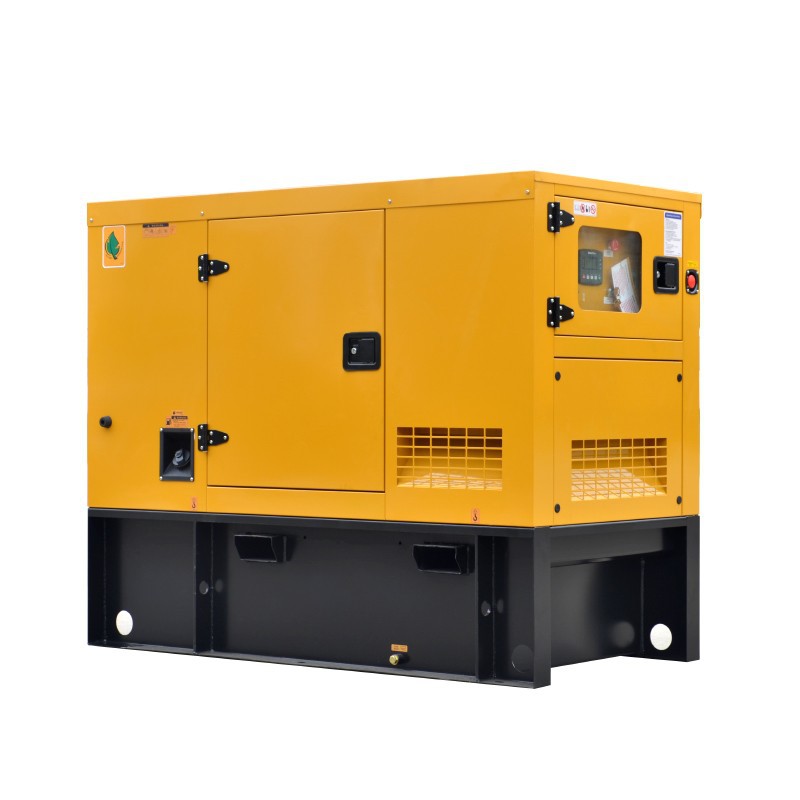
Step 3: Locate the Governor
The governor is usually located on the engine of the generator. It may be a mechanical or electronic device, depending on the model of the generator. Refer to the generator manual to locate the governor.
Step 4: Adjust the Governor
Once you've located the governor, you can start adjusting the speed. Most governors have an adjustment screw or knob that you can turn to increase or decrease the speed. Turn the screw or knob in small increments and monitor the speed of the generator using a tachometer.
Step 5: Monitor the Frequency
As you adjust the speed, it's important to monitor the frequency of the electricity produced by the generator. You can use a frequency meter to measure the frequency. The frequency should be within the recommended range for your country. If the frequency is too high or too low, continue adjusting the speed until it reaches the desired level.
Step 6: Test the Generator
Once you've adjusted the speed and the frequency is within the recommended range, it's important to test the generator under different load conditions. Connect some electrical equipment to the generator and observe how it performs. Make sure the generator can handle the load without any issues.
Tips for Adjusting the Speed of a Low Noise Diesel Generator
Here are some tips to help you adjust the speed of a low noise diesel generator more effectively:
- Use a Tachometer: A tachometer is a device that measures the speed of the generator in RPM. It's an essential tool for adjusting the speed accurately.
- Make Small Adjustments: When adjusting the speed, make small increments to avoid overshooting the desired speed.
- Monitor the Load: The load on the generator can affect the speed. Make sure to monitor the load and adjust the speed accordingly.
- Keep the Generator Clean: A clean generator operates more efficiently. Regularly clean the generator and its components to ensure optimal performance.
Conclusion
Adjusting the speed of a low noise diesel generator is an important task that requires careful attention and precision. By following the steps outlined in this blog and using the tips provided, you can ensure that your generator operates at the right speed and produces a stable power output.
If you're in the market for a Quiet Diesel Generator, a 100kw Silent Diesel Generator, or any other Silent Diesel Generator, we're here to help. Our generators are designed to provide reliable and efficient power, with low noise levels. Contact us today to discuss your power needs and find the right generator for you.
References
- Diesel Generator Handbook
- Generator Manufacturer's Manuals