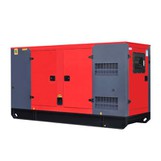
Hey there! As a supplier of quiet diesel generators, I often get asked about how to accurately measure the noise level of these machines. It's a crucial aspect, especially for those who need a generator that won't disrupt the peace, whether it's for home use, a small business, or a construction site. In this blog, I'll share some tips and methods to help you measure the noise level of a quiet diesel generator accurately.
Why Measuring Noise Level Matters
Before we dive into the measurement methods, let's understand why it's so important to measure the noise level of a diesel generator. Noise pollution can be a real nuisance, and it can also have negative impacts on human health, such as causing stress, hearing loss, and sleep disturbances. In addition, many local regulations have strict limits on the noise levels that generators can produce. By accurately measuring the noise level of your generator, you can ensure that it meets the required standards and avoid any potential legal issues.
Tools You'll Need
To measure the noise level of a quiet diesel generator, you'll need a few tools. The most important tool is a sound level meter. You can find sound level meters at most hardware stores or online. Make sure to choose a meter that is accurate and has a wide range of measurement capabilities.
In addition to a sound level meter, you'll also need a tape measure to measure the distance between the generator and the measurement point. You may also want to use a tripod to keep the sound level meter steady during the measurement.
Measuring the Noise Level
Now that you have the necessary tools, it's time to start measuring the noise level of your generator. Here's a step-by-step guide on how to do it:
- Choose a measurement location: Find a quiet area away from any sources of background noise, such as traffic or machinery. The measurement location should be at least 1 meter away from the generator and at a height of 1.2 meters above the ground.
- Set up the sound level meter: Turn on the sound level meter and set it to the appropriate measurement range. Make sure the meter is calibrated before use.
- Measure the background noise: Before starting the generator, measure the background noise level at the measurement location. This will give you a baseline to compare the generator's noise level to.
- Start the generator: Start the generator and let it run for a few minutes to reach a stable operating condition.
- Measure the generator's noise level: Place the sound level meter at the measurement location and measure the noise level of the generator. Make sure to take multiple measurements at different points around the generator to get an accurate average.
- Calculate the noise level: Subtract the background noise level from the generator's noise level to get the actual noise level of the generator.
Factors That Affect Noise Level
There are several factors that can affect the noise level of a diesel generator. Here are some of the most important factors to consider:
- Generator size: Larger generators tend to produce more noise than smaller generators.
- Engine type: Different engine types can produce different levels of noise. For example, diesel engines tend to be louder than gasoline engines.
- Generator load: The noise level of a generator can increase when it is under a heavy load.
- Generator location: The location of the generator can also affect the noise level. For example, placing the generator on a hard surface can increase the noise level, while placing it on a soft surface can reduce the noise level.
Tips for Reducing Noise Level
If you find that the noise level of your generator is too high, there are several things you can do to reduce it. Here are some tips:
- Use a soundproof enclosure: A soundproof enclosure can help to reduce the noise level of the generator. You can purchase a pre-made enclosure or build your own.
- Place the generator on a soft surface: Placing the generator on a soft surface, such as a rubber mat or a bed of sand, can help to reduce the noise level.
- Maintain the generator regularly: Regular maintenance can help to keep the generator running smoothly and reduce the noise level. Make sure to change the oil, filters, and spark plugs regularly.
- Use a muffler: A muffler can help to reduce the noise level of the generator. You can purchase a muffler specifically designed for your generator.
Conclusion
Measuring the noise level of a quiet diesel generator is an important step in ensuring that it meets the required standards and doesn't cause any noise pollution. By following the steps outlined in this blog, you can accurately measure the noise level of your generator and take steps to reduce it if necessary.


If you're in the market for a quiet diesel generator, we offer a wide range of options, including 20kw Silent Diesel Generator and 100kw Silent Diesel Generator. You can check out our full selection of Silent Diesel Generator on our website. If you have any questions or would like to discuss your specific needs, feel free to reach out to us. We're here to help you find the perfect generator for your requirements.
References
- "Sound Level Meter Basics," National Institute for Occupational Safety and Health.
- "Noise Control for Diesel Generators," American Society of Heating, Refrigerating and Air-Conditioning Engineers.