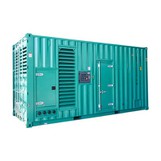
As a supplier of Mobile Diesel Generators, I understand the critical importance of ensuring the safety and performance of these essential power sources. One of the key aspects of maintaining a mobile diesel generator is regularly testing its insulation resistance. This test helps in identifying potential electrical problems before they turn into major issues, ensuring the generator operates efficiently and safely. In this blog, I'll guide you through the process of testing the insulation resistance of a mobile diesel generator.


Why Test Insulation Resistance?
Insulation resistance testing is a fundamental part of generator maintenance. The insulation in a generator is designed to prevent electrical current from flowing where it shouldn't, protecting both the equipment and the users. Over time, insulation can degrade due to factors such as heat, moisture, vibration, and age. A low insulation resistance can indicate that the insulation is damaged, which may lead to electrical leakage, short circuits, or even fires. By regularly testing the insulation resistance, you can detect early signs of insulation breakdown and take appropriate action to prevent costly repairs or safety hazards.
Tools Required for Insulation Resistance Testing
Before you start testing, you'll need the following tools:
- Insulation Resistance Tester: Also known as a megohmmeter or megger, this device is used to measure the resistance of the insulation. Make sure the tester is suitable for the voltage rating of your generator.
- Safety Equipment: Wear appropriate safety gear, such as insulated gloves and safety glasses, to protect yourself from electrical shock.
- Cleaning Supplies: You may need a clean, dry cloth to wipe the generator terminals and connections before testing.
Preparing the Generator for Testing
Before you begin testing, it's important to prepare the generator properly. Here are the steps to follow:
- Turn Off the Generator: Make sure the generator is completely turned off and disconnected from any power sources. This includes shutting down the engine and disconnecting the battery.
- Allow the Generator to Cool: If the generator has been running, allow it to cool down to room temperature before testing. This will ensure accurate test results.
- Clean the Terminals and Connections: Use a clean, dry cloth to wipe the generator terminals and connections. This will remove any dirt, dust, or moisture that could affect the test results.
- Isolate the Generator: Disconnect all electrical loads from the generator, including any appliances or equipment that are connected to it. This will ensure that the test measures only the insulation resistance of the generator itself.
Conducting the Insulation Resistance Test
Once the generator is prepared, you can start the insulation resistance test. Here are the steps to follow:
- Set Up the Insulation Resistance Tester: Follow the manufacturer's instructions to set up the insulation resistance tester. Make sure the tester is set to the appropriate voltage range for your generator.
- Connect the Test Leads: Connect the test leads of the insulation resistance tester to the generator terminals. The red lead is typically connected to the live or hot terminal, and the black lead is connected to the neutral or ground terminal.
- Take the Measurement: Press the test button on the insulation resistance tester and wait for the reading to stabilize. The reading will be displayed in megohms (MΩ).
- Record the Results: Record the insulation resistance reading in a logbook or on a test report. Make sure to note the date, time, and any other relevant information.
- Interpret the Results: Compare the insulation resistance reading to the manufacturer's specifications. A low insulation resistance reading may indicate that the insulation is damaged and needs to be repaired or replaced.
Interpreting the Test Results
The insulation resistance reading can provide valuable information about the condition of the generator's insulation. Here are some general guidelines for interpreting the test results:
- High Resistance: A high insulation resistance reading (typically above 1 MΩ) indicates that the insulation is in good condition. This means that the electrical current is flowing through the intended paths and there is no significant leakage.
- Low Resistance: A low insulation resistance reading (typically below 1 MΩ) indicates that the insulation may be damaged. This could be due to factors such as moisture, heat, or physical damage. In this case, further investigation is required to determine the cause of the low resistance and take appropriate action.
- Zero Resistance: A zero resistance reading indicates a short circuit. This means that there is a direct path for the electrical current to flow outside of the intended paths, which can be extremely dangerous. If you get a zero resistance reading, do not attempt to operate the generator and seek professional assistance immediately.
Troubleshooting and Maintenance
If the insulation resistance test results indicate a problem, here are some steps you can take to troubleshoot and maintain the generator:
- Check for Moisture: Moisture is one of the most common causes of low insulation resistance. Check the generator for any signs of water damage, such as rust or corrosion. If you find moisture, dry the generator thoroughly and retest the insulation resistance.
- Inspect the Insulation: Look for any visible signs of damage to the insulation, such as cracks, burns, or fraying. If you find any damage, replace the damaged insulation or the affected components.
- Clean the Generator: Dirt, dust, and debris can accumulate on the generator's components and affect the insulation resistance. Use a clean, dry cloth to wipe the generator and remove any dirt or debris.
- Check the Connections: Loose or corroded connections can also cause low insulation resistance. Check the generator's connections and make sure they are tight and clean. If you find any loose or corroded connections, tighten them or replace them as necessary.
Conclusion
Testing the insulation resistance of a mobile diesel generator is an important part of its maintenance. By regularly testing the insulation resistance, you can detect early signs of insulation breakdown and take appropriate action to prevent costly repairs or safety hazards. Remember to follow the manufacturer's instructions and safety guidelines when conducting the test, and always wear appropriate safety gear. If you have any questions or need further assistance, don't hesitate to contact us.
We offer a wide range of Mobile Diesel Generator options, including 5kw Diesel Generator Set and Small Diesel Generator Set. If you're interested in purchasing a mobile diesel generator or have any questions about our products, please feel free to contact us for a consultation. We're here to help you find the right generator for your needs.
References
- Electrical Safety Standards and Guidelines
- Manufacturer's Manuals for Mobile Diesel Generators
- Insulation Resistance Testing Best Practices