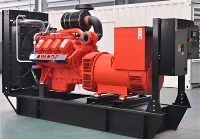
Hey there! As a diesel generator supplier, I've seen my fair share of challenges when it comes to transporting these hefty machines. Diesel generators are essential for many industries, from construction sites to backup power for homes. But moving them around isn't as simple as just hooking them up to a truck and hitting the road. In this blog, I'll share some tips and tricks on how to transport a diesel generator safely and efficiently.
Pre - Transport Preparations
Inspection
Before you even think about moving a diesel generator, you've got to give it a thorough once - over. Check for any visible damage like cracks in the casing or loose parts. Make sure all the electrical connections are secure. A loose wire could cause problems during transit and might even lead to a short - circuit. Also, check the fuel and oil levels. It's best to have the fuel tank at a low level to reduce the risk of spills. If there's a lot of fuel in the tank, the sloshing around during transport can cause leaks.
Documentation
Don't forget about the paperwork! You need to have all the necessary documentation for the generator. This includes the user manual, warranty information, and any certificates related to the generator's performance or safety. If you're transporting the generator across state lines or internationally, you might need additional permits. Make sure you research and obtain all the required documents well in advance.
Securing Loose Parts
Diesel generators often come with some accessories or parts that are not permanently attached. Things like exhaust pipes, control panels, and mufflers need to be properly secured. You can use straps or bolts to keep them in place. This prevents them from getting damaged during the journey and also stops them from moving around and causing damage to the generator itself.
Choosing the Right Transport Method
Small - Scale Generators
For smaller generators, like the 15KVA Perkins Silent Generator, you might be able to use a pickup truck or a small trailer. These generators are relatively lightweight and easy to handle. Just make sure you have the right equipment to load and unload them safely. A ramp can be very useful for getting the generator onto the truck or trailer.
Medium - Sized Generators
Medium - sized generators require a bit more attention. You'll likely need a flatbed truck or a larger trailer. These generators are heavier and bulkier, so you need to ensure the transport vehicle can handle the weight. It's also important to distribute the weight evenly on the truck or trailer to prevent any imbalance. You can use a forklift to load and unload the generator, but make sure the forklift is rated for the weight of the generator.
Large - Scale Generators
When it comes to large generators, such as the 200kw Silent Diesel Generator, you're looking at specialized transport. You might need to hire a professional transport company that has experience in moving heavy equipment. These companies have the right trucks, cranes, and expertise to handle the job safely. They'll also know how to deal with any legal requirements for transporting oversized or overweight loads.
Loading the Generator
Using a Forklift
If you're using a forklift to load the generator, make sure the forks are the right size and length. The forks should be inserted into the designated forklift pockets on the generator. Don't try to lift the generator from an improper angle, as this can cause it to tip over. Once the generator is on the forklift, move it slowly and carefully to the transport vehicle.
Strapping Down
Once the generator is on the transport vehicle, it's crucial to strap it down securely. Use heavy - duty straps and make sure they are tightened properly. You can attach the straps to the anchor points on the generator and the transport vehicle. Check the straps regularly during the loading process to ensure they are still tight.
During Transport
Driving Considerations
When the generator is on the road, the driver needs to be extra careful. They should drive at a moderate speed and avoid sudden stops or starts. Bumps and potholes can cause the generator to shift, so the driver should try to avoid rough roads as much as possible. If the journey is long, the driver should take breaks to check the straps and the condition of the generator.
Weather Conditions
Weather can have a big impact on the transport of a diesel generator. If it's raining or snowing, the generator should be covered with a waterproof tarp. This prevents water from getting into the generator and causing damage. In hot weather, make sure the generator isn't exposed to direct sunlight for too long, as high temperatures can affect the components.
Unloading the Generator
Safety First
Just like loading, unloading the generator requires safety precautions. Use the same equipment, like a forklift or a ramp, to unload it safely. Make sure the area where the generator will be placed is flat and stable. If the generator is being unloaded into a building, make sure the doorways and hallways are wide enough to accommodate it.
Final Inspection
Once the generator is unloaded, give it another inspection. Check for any damage that might have occurred during transport. If you notice any issues, document them and contact the transport company or the manufacturer if necessary.
Maintenance After Transport
After the generator has been transported to its new location, it's important to perform some maintenance. Check the oil and fuel levels again, and top them up if necessary. Run a short diagnostic test to make sure all the components are working properly. This helps to ensure that the generator is ready for use when you need it.
Conclusion
Transporting a diesel generator is a complex task that requires careful planning and attention to detail. By following these steps, you can ensure that your generator arrives at its destination safely and in good condition. Whether you're transporting a small Low Noise Diesel Generator or a large 50kw Silent Diesel Generator, the key is to be prepared and take all the necessary safety measures.


If you're in the market for a diesel generator or need advice on transporting one, don't hesitate to reach out. We're here to help you with all your diesel generator needs. Whether it's choosing the right generator for your requirements or ensuring a smooth transport process, we've got you covered. Contact us to start discussing your purchase and find the perfect solution for your power needs.
References
- General knowledge from the diesel generator industry
- Experience as a diesel generator supplier