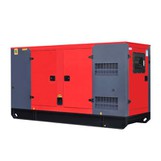
As a supplier of silent generator sets, I've seen my fair share of issues that customers face with these powerhouses. Over the years, through countless conversations and on - site inspections, I've identified some common problems that many silent generator set owners and operators encounter. Let's dive straight into them.
Noise - Related Issues
Even though the main selling point of a Silent Diesel Generator is its reduced noise level, it's not uncommon to hear complaints about excessive noise. One of the most frequent causes is a damaged or worn - out muffler. The muffler is designed to reduce the noise produced by the engine's exhaust. If it has holes or is corroded, it won't be able to do its job effectively, and you'll end up with a much noisier generator than you bargained for.
Another aspect is the sound - proofing material inside the generator enclosure. Over time, this material can degrade, especially if the generator is exposed to harsh environmental conditions. Moisture, heat, and even physical damage can cause the sound - proofing to lose its effectiveness. When this happens, more noise from the engine and other components will escape the enclosure.
Cooling System Failures
The cooling system of a silent generator set is crucial for its proper operation. A common problem is a clogged radiator. Dirt, dust, and debris can accumulate on the radiator fins, preventing proper airflow. This means that the engine won't be able to cool down effectively, which can lead to overheating. Overheating, in turn, can cause serious damage to the engine, such as warped cylinders or a blown head gasket.
Leaking coolant is also a significant issue. A leak can occur anywhere in the cooling system, from the radiator hoses to the water pump. If the coolant level drops too low, the engine won't be able to maintain the right temperature. You might notice a puddle of coolant under the generator or a sweet - smelling vapor coming from the engine area.
Fuel System Complications
Fuel quality is a major concern. If the generator is running on contaminated fuel, it can lead to a whole host of problems. Contaminants like water, dirt, or rust can clog the fuel injectors, filters, and lines. When the fuel injectors are clogged, the engine won't receive the right amount of fuel, which can cause it to run rough, misfire, or even stall.
Another problem in the fuel system is a faulty fuel pump. The fuel pump is responsible for delivering fuel from the tank to the engine. If it fails, the engine won't get the fuel it needs to run. You might experience difficulty starting the generator or it might shut down unexpectedly during operation.
Electrical System Glitches
The electrical system of a silent generator set is complex, and there are several things that can go wrong. A common issue is a bad battery. If the battery is old or not properly maintained, it might not have enough power to start the generator. You'll notice slow cranking when you try to start the unit, or it might not start at all.
Faulty wiring is another problem. Over time, wires can become loose, frayed, or corroded. This can cause intermittent electrical problems, such as a loss of power to certain components or a short - circuit. A short - circuit can be extremely dangerous as it can lead to electrical fires.
Lubrication System Problems
The lubrication system is essential for keeping the engine's moving parts running smoothly. One of the most common issues is low oil level. If the oil level is too low, the engine components won't be properly lubricated, which can cause increased friction and wear. This can lead to premature engine failure.
Another problem is dirty oil. Over time, oil can accumulate dirt, debris, and metal particles. Dirty oil won't be able to lubricate the engine effectively, and it can also cause blockages in the oil passages. You should check the oil regularly and change it according to the manufacturer's recommendations.
Vibration and Mounting Issues
Excessive vibration can be a sign of a problem with the generator's mounting. If the generator is not properly secured, it can vibrate more than normal. This vibration can not only be annoying but can also cause damage to the generator's components. Loose bolts or damaged mounts can lead to misalignment of the engine and alternator, which can affect the generator's performance.
There can also be issues with the engine's balance. If the engine is not balanced correctly, it will vibrate excessively. This can be due to manufacturing defects or wear and tear over time.
Maintenance and Service Neglect
One of the overarching problems that can lead to all the issues mentioned above is a lack of proper maintenance. Many generator owners don't follow the recommended maintenance schedule. Skipping oil changes, filter replacements, and inspections can cause small problems to turn into major breakdowns.
For example, if you don't change the air filter regularly, it will get clogged, reducing the airflow to the engine. This can affect the engine's performance and fuel efficiency. Similarly, neglecting to inspect the belts and hoses can lead to unexpected failures.
Specific Models and Their Potential Issues
Let's take a look at some specific types of silent generator sets. The 20kw Silent Diesel Generator is a popular choice for small to medium - sized applications. One potential issue with this model is that it might be more prone to overloading if used beyond its rated capacity. Since it's a relatively small generator, overloading can cause the engine to work harder than it should, leading to overheating and potential damage.
The Soundproof Diesel Generator focuses on noise reduction. However, the sound - proofing technology can sometimes interfere with the generator's ventilation. If the ventilation is restricted, the engine can overheat, and the generator's performance can be affected.
The Mobile Silent Diesel Generator is designed for portability. The constant movement can cause additional wear and tear on the generator's components. The fuel and electrical connections can become loose, and the mounting can be damaged more easily compared to stationary models.


The 50kw Silent Diesel Generator is a larger - capacity generator. It requires more fuel and has more components, which means there are more opportunities for things to go wrong. The fuel system, in particular, needs to be carefully maintained to ensure proper fuel delivery to the engine.
Solutions and Advice
To address these common problems, regular maintenance is key. Follow the manufacturer's maintenance schedule religiously. This includes changing the oil, filters, and spark plugs at the recommended intervals. Inspect the generator's components regularly for signs of wear and tear, such as cracks, leaks, or loose connections.
When it comes to fuel, always use high - quality fuel from a reputable source. Consider using a fuel additive to prevent contamination and keep the fuel system clean. Keep the generator in a clean and dry environment to prevent damage to the sound - proofing material and other components.
For noise issues, check the muffler and sound - proofing regularly. Replace any damaged parts as soon as possible. If you notice excessive vibration, check the mounting and the engine's balance. Tighten any loose bolts and have the engine balanced if necessary.
If you're in the market for a silent generator set or need help with existing problems, don't hesitate to reach out. Whether you need technical advice, maintenance services, or are interested in making a purchase, we're here to assist you. We have a wide range of silent generator sets to suit different needs and budgets. Contact us to start a conversation about finding the perfect power solution for you.
References
- Generator Maintenance Manuals
- Industry Reports on Silent Generator Set Performance
- Manufacturer's Technical Bulletins