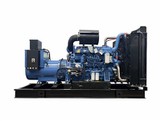
In the world of power generation, standby generators and portable generators are two prevalent options, each with its unique features and applications. As a provider of standby generators, I'm frequently asked about the differences between these two types of generators. In this blog post, I'll delve into the distinctions to help you make an informed decision based on your specific needs.
1. Installation and Permanence
One of the most notable differences between standby and portable generators lies in their installation processes and permanence.
Standby Generators
Standby generators are designed for permanent installation. They are typically connected to your home or business's electrical system through a transfer switch. This transfer switch is a crucial component as it automatically senses a power outage and transfers the electrical load from the grid to the generator. The installation of a standby generator is a complex process that often requires professional electricians and compliance with local building codes. The generator is usually placed outside, near the property, preferably on a concrete pad. Its location is carefully chosen to ensure proper ventilation and easy access for maintenance.
As a standby generator supplier, we offer a wide range of standby generators suitable for various applications. For instance, our Diesel Whole House Generator is designed to power an entire home during an outage, providing a seamless transition of power.
Portable Generators
Portable generators, on the other hand, are just that - portable. They are not permanently installed and can be moved around easily. You can take them from one location to another, whether it's for a camping trip, a backyard party, or to provide temporary power during a short - term outage at home. They are often smaller in size and can be stored in a garage or shed when not in use. Installation is as simple as plugging appliances directly into the generator's outlets or using an extension cord. However, it's important to note that they cannot be directly connected to a home's electrical system without a proper transfer switch, which is a safety hazard.
2. Power Output and Capacity
Another significant difference is in the power output and capacity of the two types of generators.
Standby Generators
Standby generators are built to handle large electrical loads. They can provide power to an entire house, including major appliances like air conditioners, heaters, refrigerators, and even elevators in commercial buildings. The power output of standby generators can range from a few kilowatts to several megawatts. For example, our 1000kw Diesel Generator and 1500kw Diesel Generator are suitable for large commercial or industrial applications, while smaller models like the 10kw Diesel Generator Set can power a medium - sized home.
Portable Generators
Portable generators generally have a lower power output compared to standby generators. They are typically designed to power a few essential appliances at a time, such as a refrigerator, a few lights, and a small fan. The power output of portable generators usually ranges from 1,000 to 10,000 watts. While they can be useful for temporary or emergency situations, they may not be sufficient to power an entire home or a large commercial establishment.
3. Fuel Source and Run - Time
The fuel source and run - time of standby and portable generators also vary significantly.
Standby Generators
Standby generators can run on various fuel sources, including natural gas, propane, or diesel. Natural gas and propane are popular choices as they are readily available and can provide a continuous supply of fuel. Diesel generators, on the other hand, offer high power output and are often used in industrial applications. The run - time of a standby generator depends on the size of the fuel tank and the load it is powering. In general, standby generators can run for extended periods, sometimes days or even weeks, without refueling, especially when connected to a large natural gas or propane supply. For instance, our Doosan Diesel Generator Set 60Hz is known for its reliable performance and long - run time.
Portable Generators
Portable generators usually run on gasoline, which is widely available but can be more expensive in the long run. The run - time of a portable generator is limited by the size of its fuel tank. Most portable generators can run for a few hours to a day on a single tank of gas, depending on the load. If you need to power essential appliances for an extended period during a long - term outage, you may need to keep refilling the fuel tank, which can be inconvenient.
4. Noise Level
Noise level is an important consideration, especially if you live in a residential area or need to use the generator in a quiet environment.
Standby Generators
Standby generators are designed to operate quietly. They are often enclosed in sound - attenuating enclosures that reduce the noise level significantly. The advanced technology used in standby generators also helps in minimizing vibrations and noise. As a result, they can operate without causing much disturbance to the surrounding environment.
Portable Generators
Portable generators tend to be noisier. The smaller engines and less sophisticated noise - reducing features make them more audible. When operating a portable generator, you may need to place it at a distance from your living area to avoid the noise.
5. Cost
The cost of purchasing and maintaining standby and portable generators is another factor that sets them apart.
Standby Generators
Standby generators are generally more expensive upfront. The cost includes the generator unit, the transfer switch, installation, and any necessary permits. However, considering their long - term reliability and the ability to power an entire property, they can be a worthwhile investment. Maintenance costs for standby generators are also relatively high, but they are usually covered by regular service contracts.
Portable Generators
Portable generators are more affordable in terms of upfront cost. They are a cost - effective solution for short - term power needs. However, because they rely on gasoline, the long - term fuel cost can add up. Additionally, they may require more frequent maintenance due to their frequent use and portability.
6. Automatic vs. Manual Operation
The mode of operation is a key differentiator between standby and portable generators.
Standby Generators
Standby generators offer automatic operation. Once installed and set up correctly, they automatically detect a power outage and start within seconds. This feature provides peace of mind, especially during unexpected outages, as you don't have to manually start the generator. When the power from the grid is restored, the standby generator automatically shuts down and switches the electrical load back to the grid.
Portable Generators
Portable generators require manual operation. You need to start the generator by pulling a cord or pressing a button when the power goes out. This can be inconvenient, especially if you are asleep or away from home when the outage occurs.


In conclusion, the choice between a standby generator and a portable generator depends on your specific needs, budget, and power requirements. If you need a reliable, long - term power solution that can automatically power your entire home or business during outages, a standby generator is the way to go. On the other hand, if you only need temporary power for a few appliances or for outdoor activities, a portable generator may be sufficient.
If you're interested in learning more about our standby generator products or have any questions about which generator is right for you, we encourage you to reach out to us for a detailed consultation. We're here to help you make the best decision for your power needs.
References
- Power Generation Handbook, by Thomas Overbye
- Electrical Engineering for Non - Electrical Engineers, by Keith M. McPartland