When it comes to reliable power solutions, a Canopy Diesel Generator stands out as a versatile and efficient option. As a prominent supplier in the market, we often receive inquiries about the frequency output of these generators. Understanding the frequency output is crucial for ensuring the proper functioning of electrical equipment and systems. In this blog, we will delve into the details of what the frequency output of a Canopy Diesel Generator is and why it matters.
What is Frequency?
Frequency, in the context of electrical power, refers to the number of cycles per second at which an alternating current (AC) reverses its direction. It is measured in Hertz (Hz). In most countries, the standard frequency for electrical power systems is either 50 Hz or 60 Hz. These frequencies are carefully selected to ensure compatibility with a wide range of electrical devices and appliances.
Frequency Output of Canopy Diesel Generators
Canopy Diesel Generators are designed to produce electrical power at a specific frequency, typically either 50 Hz or 60 Hz. The choice of frequency depends on the region where the generator will be used. For instance, in most of Europe, Asia, and Africa, the standard frequency is 50 Hz, while in North America and some parts of South America, 60 Hz is the norm.
The frequency output of a Canopy Diesel Generator is determined by the speed at which the engine rotates. The engine speed is directly related to the frequency of the electrical output. In a 50 Hz generator, the engine typically runs at 1500 revolutions per minute (RPM) for a four - pole generator. For a 60 Hz generator, the engine speed is usually 1800 RPM for a four - pole design.
Why is the Correct Frequency Output Important?
The correct frequency output is essential for several reasons:
Compatibility with Electrical Equipment
Most electrical devices and equipment are designed to operate at a specific frequency. Using a generator with the wrong frequency can lead to improper functioning or even damage to the equipment. For example, motors may run too fast or too slow, which can affect their performance and lifespan. Electronic devices such as computers and televisions are also sensitive to frequency variations and may malfunction if the frequency is not within the acceptable range.
Power Quality
The frequency of the electrical output is an important aspect of power quality. A stable frequency ensures a consistent and reliable power supply. Fluctuations in frequency can cause problems such as flickering lights, unstable operation of machinery, and interference with communication systems. Canopy Diesel Generators are engineered to maintain a stable frequency output, providing high - quality power to meet the needs of various applications.
Electrical System Design
Electrical systems are designed based on the standard frequency of the power supply. When integrating a generator into an existing electrical system, it is crucial to ensure that the generator's frequency output matches the system's requirements. Mismatched frequencies can lead to issues such as overloading, voltage instability, and inefficiencies in the electrical distribution network.
Factors Affecting Frequency Output
Several factors can affect the frequency output of a Canopy Diesel Generator:
Load Variations
When the load on the generator changes, the engine speed and, consequently, the frequency output can be affected. For example, when a large load is suddenly added to the generator, the engine may experience a temporary drop in speed, resulting in a decrease in frequency. Modern generators are equipped with governors that adjust the fuel supply to the engine to maintain a stable speed and frequency under varying load conditions.

Engine Condition
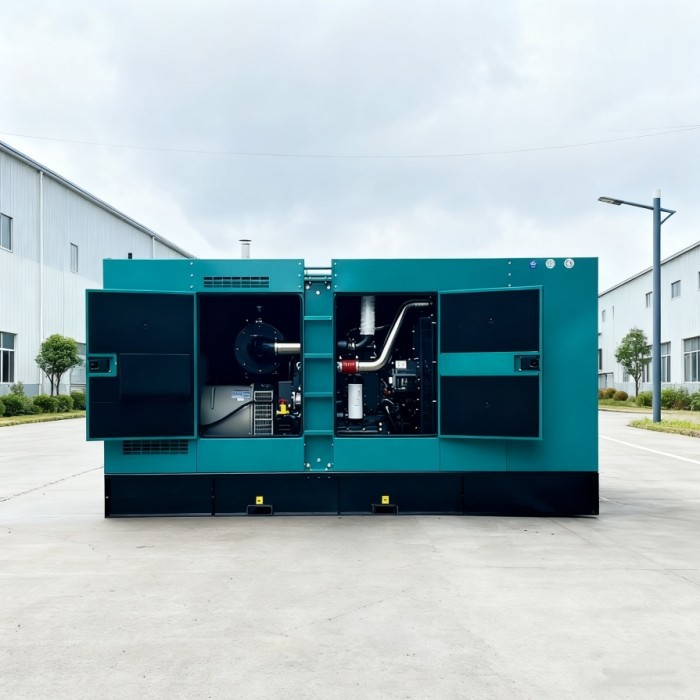
The condition of the engine plays a significant role in maintaining a stable frequency output. A well - maintained engine with proper fuel injection, ignition, and cooling systems is more likely to provide a consistent frequency. Wear and tear on engine components, such as pistons, valves, and bearings, can affect the engine's performance and lead to frequency variations.
Environmental Conditions
Environmental factors such as temperature, altitude, and humidity can also impact the frequency output of a generator. High temperatures can cause the engine to overheat, reducing its efficiency and potentially affecting the frequency. At high altitudes, the air density is lower, which can lead to a decrease in engine power and frequency if the generator is not properly adjusted.
Canopy Diesel Generator Models and Their Frequency Outputs
We offer a wide range of Canopy Diesel Generator models, each designed to meet specific power requirements and frequency standards. Our generators are available in both 50 Hz and 60 Hz configurations to cater to different regions and applications.
For example, our 50kW Silent Diesel Generator is a popular choice for small to medium - sized businesses and residential applications. It is available in both 50 Hz and 60 Hz versions, providing reliable power with low noise levels. Our 500kW Silent Diesel Generator is suitable for larger industrial and commercial applications, offering high - power output and stable frequency performance.
Selecting the Right Frequency for Your Needs
When choosing a Canopy Diesel Generator, it is essential to consider the frequency requirements of your electrical equipment and the power grid in your area. If you are using the generator in a region with a 50 Hz power grid, it is advisable to select a 50 Hz generator to ensure compatibility. Similarly, if you are in a 60 Hz region, a 60 Hz generator is the appropriate choice.
If you have a mix of equipment that is designed for different frequencies, or if you plan to use the generator in multiple locations with different frequency standards, you may need to consider a generator with a variable frequency output or use frequency converters. However, these solutions can be more complex and costly, so it is best to choose a generator with the correct frequency from the start.
Conclusion
In conclusion, the frequency output of a Canopy Diesel Generator is a critical parameter that determines its compatibility with electrical equipment and the overall quality of the power supply. As a leading supplier of Canopy Diesel Generator, we understand the importance of providing generators with stable and accurate frequency outputs. Our generators are engineered to meet the highest standards of performance and reliability, ensuring that you have a consistent and efficient power source.
If you are in the market for a Canopy Diesel Generator or need more information about frequency output and other technical specifications, we encourage you to contact us for a detailed discussion. Our team of experts is ready to assist you in selecting the right generator for your specific needs and to guide you through the procurement process.
References
- "Electrical Power Systems: Analysis and Design" by J. Duncan Glover, Mulukutla S. Sarma, and Thomas J. Overbye.
- "Diesel Engine Handbook" by Rudolf von Bahr and Horst Bargende.