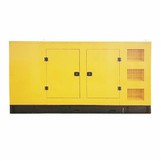
What is the grounding requirement for a high voltage diesel generator set?
As a seasoned supplier of high voltage diesel generator sets, I've encountered numerous inquiries regarding the grounding requirements for these powerful machines. Grounding is a critical aspect of electrical safety and system performance, especially when dealing with high voltage equipment. In this blog post, I'll delve into the essential grounding requirements for high voltage diesel generator sets, shedding light on why they matter and how to ensure compliance.
The Importance of Grounding
Before we dive into the specific requirements, let's understand why grounding is so crucial for high voltage diesel generator sets. Grounding serves several vital functions:
- Safety: Grounding provides a low - resistance path for electrical current to flow in the event of a fault, such as a short - circuit. This helps to prevent dangerous electrical shocks to personnel and reduces the risk of fire or explosion.
- Equipment Protection: By providing a proper ground connection, we can protect the generator set and other connected equipment from damage caused by electrical surges, lightning strikes, and other transient events.
- System Stability: A well - grounded system helps to maintain stable voltage levels and reduces electrical noise, ensuring reliable operation of the generator set and the connected electrical network.
General Grounding Principles
The grounding of a high voltage diesel generator set typically involves two main components: the equipment grounding and the system grounding.
Equipment Grounding
Equipment grounding is designed to protect personnel and equipment from electrical faults within the generator set itself. All non - current - carrying metal parts of the generator, such as the frame, enclosure, and terminal boxes, must be connected to a grounding conductor. This conductor should be of sufficient size to carry the fault current safely to the ground.
The equipment grounding conductor is usually connected to a grounding electrode system, which can consist of ground rods, ground plates, or a combination of both. The grounding electrode system provides a low - resistance path to the earth, allowing the fault current to dissipate safely.
System Grounding
System grounding, on the other hand, is concerned with the grounding of the electrical system of the generator set. The type of system grounding depends on the voltage level and the application of the generator set.
For high voltage diesel generator sets, the most common system grounding methods are solid grounding, resistance grounding, and reactance grounding.
- Solid Grounding: In a solidly grounded system, the neutral point of the generator's stator winding is directly connected to the ground. This method provides the lowest impedance path for fault current, which helps to quickly clear faults and protect the equipment. However, it also results in high fault currents, which can cause significant damage if not properly protected.
- Resistance Grounding: Resistance grounding involves connecting a resistor between the neutral point of the generator's stator winding and the ground. The resistor limits the fault current to a safe level, reducing the damage caused by faults. Resistance grounding is commonly used in applications where a high level of equipment protection is required.
- Reactance Grounding: Reactance grounding is similar to resistance grounding, but instead of a resistor, a reactor is used to limit the fault current. Reactance grounding is often used in systems where the fault current needs to be controlled while maintaining a relatively low impedance for normal operation.
Specific Grounding Requirements
The grounding requirements for high voltage diesel generator sets can vary depending on local electrical codes, standards, and the specific application of the generator set. However, there are some general guidelines that should be followed:
Grounding Conductor Size
The size of the grounding conductor is determined by the maximum fault current that the conductor may need to carry. The conductor should be sized according to the relevant electrical code, such as the National Electrical Code (NEC) in the United States or the International Electrotechnical Commission (IEC) standards.
In general, the grounding conductor should be able to carry the fault current for a sufficient time to allow the protective devices, such as circuit breakers or fuses, to operate and clear the fault.
Grounding Electrode System
The grounding electrode system should be designed to provide a low - resistance path to the earth. The resistance of the grounding electrode system should be as low as possible, typically less than 5 ohms for high voltage systems.
To achieve a low - resistance grounding electrode system, multiple ground rods may be required, and they should be spaced at an appropriate distance from each other. The ground rods should be driven deep into the ground, usually at least 8 feet, to ensure good contact with the earth.
Bonding
All metal parts of the generator set and the associated electrical equipment should be bonded together to ensure electrical continuity. Bonding helps to prevent the buildup of static electricity and ensures that all non - current - carrying metal parts are at the same electrical potential.
Lightning Protection
High voltage diesel generator sets are often exposed to lightning strikes, especially in outdoor installations. Lightning protection systems, such as lightning rods and surge arresters, should be installed to protect the generator set from lightning - induced surges.
Compliance with Standards
Compliance with relevant electrical standards and codes is essential to ensure the safety and reliability of high voltage diesel generator sets. Some of the key standards that apply to grounding requirements include:


- IEC 60364: This international standard provides guidelines for electrical installations in buildings and other structures, including grounding requirements.
- IEEE 142: The IEEE Green Book provides recommended practices for grounding of industrial and commercial power systems, including high voltage generator sets.
- NEC (National Electrical Code): In the United States, the NEC sets the requirements for electrical installations, including grounding, for all types of electrical equipment, including high voltage diesel generator sets.
Our High Voltage Diesel Generator Sets
At our company, we offer a wide range of high voltage diesel generator sets, including 11kv Diesel Generator and 6.6kv Diesel Genset. Our High Voltage Diesel Generator sets are designed and manufactured to meet the highest standards of quality and safety, with proper grounding systems built - in to ensure reliable operation.
We understand the importance of grounding and ensure that all our generator sets are designed and installed in accordance with the relevant electrical codes and standards. Our experienced engineers can provide technical support and guidance on grounding requirements for your specific application.
Contact Us for Procurement
If you are interested in purchasing a high voltage diesel generator set or need more information about grounding requirements, please feel free to contact us. Our sales team is ready to assist you with your procurement needs and can provide you with detailed product specifications and pricing information.
References
- National Electrical Code (NEC)
- International Electrotechnical Commission (IEC) standards
- Institute of Electrical and Electronics Engineers (IEEE) standards