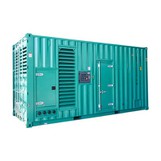
As a supplier of portable diesel generators, I often get asked about the grounding requirements for these essential power sources. Grounding is a critical aspect of generator safety and performance, and understanding the requirements is crucial for anyone using a portable diesel generator. In this blog post, I'll delve into the details of grounding requirements for portable diesel generators, explaining why grounding is important, how to properly ground a generator, and the specific requirements you need to follow.
Why is Grounding Important for Portable Diesel Generators?
Grounding serves several important functions when it comes to portable diesel generators. First and foremost, grounding helps protect users from electrical shock. When a generator is properly grounded, any electrical faults or short circuits that occur are safely directed to the ground, preventing the build-up of dangerous electrical charges on the generator's metal components. This significantly reduces the risk of electrocution for anyone who comes into contact with the generator.
In addition to protecting users, grounding also helps protect the generator itself. By providing a path for electrical current to flow safely to the ground, grounding helps prevent damage to the generator's electrical components. This can extend the lifespan of the generator and reduce the likelihood of costly repairs.
Finally, grounding is often required by electrical codes and regulations. In many areas, it is illegal to operate a portable diesel generator without proper grounding. Failure to comply with these regulations can result in fines and other penalties, as well as increased risk of electrical accidents.
How to Properly Ground a Portable Diesel Generator
Proper grounding of a portable diesel generator involves several steps. Here's a general guide on how to ground your generator:
- Choose a Suitable Grounding Location: Select a location for the grounding electrode that is close to the generator and away from any sources of moisture or corrosion. The grounding electrode should be driven into the ground to a depth of at least 8 feet.
- Install the Grounding Electrode: Use a grounding rod or other approved grounding electrode to create a connection to the earth. The grounding electrode should be made of a conductive material, such as copper or galvanized steel.
- Connect the Generator to the Grounding Electrode: Use a grounding wire to connect the generator's frame or chassis to the grounding electrode. The grounding wire should be of sufficient size to carry the electrical current in the event of a fault.
- Test the Grounding System: Once the grounding system is installed, test it to ensure that it is working properly. You can use a grounding resistance tester to measure the resistance of the grounding system. The resistance should be less than 25 ohms.
Specific Grounding Requirements for Portable Diesel Generators
The specific grounding requirements for portable diesel generators can vary depending on the location and the type of generator. Here are some general guidelines to follow:
- National Electrical Code (NEC): The NEC is a set of electrical safety standards that are widely adopted in the United States. According to the NEC, all portable generators must be grounded to prevent electrical shock. The NEC also specifies the minimum size of the grounding wire and the requirements for the grounding electrode.
- Local Electrical Codes: In addition to the NEC, many local jurisdictions have their own electrical codes and regulations that may apply to portable diesel generators. It's important to check with your local building department or electrical inspector to determine the specific grounding requirements in your area.
- Generator Manufacturer's Recommendations: The manufacturer of your portable diesel generator may also have specific grounding requirements. It's important to follow these recommendations to ensure the safe and proper operation of your generator.
Grounding Requirements for Different Types of Portable Diesel Generators
The grounding requirements for portable diesel generators can vary depending on the type of generator. Here are some common types of portable diesel generators and their grounding requirements:
- Single-Phase Generators: Single-phase generators are typically used for residential and small commercial applications. These generators usually require a single grounding electrode and a grounding wire to connect the generator's frame to the grounding electrode.
- Three-Phase Generators: Three-phase generators are commonly used for larger commercial and industrial applications. These generators may require multiple grounding electrodes and a more complex grounding system to ensure proper grounding.
- Inverter Generators: Inverter generators are a type of portable generator that uses advanced electronics to produce clean, stable power. These generators typically have built-in grounding systems and may not require additional grounding.
Conclusion
Grounding is a critical aspect of the safe and proper operation of portable diesel generators. By understanding the grounding requirements and following the proper procedures, you can help protect yourself, your equipment, and others from electrical shock and damage. If you have any questions or need further assistance with grounding your portable diesel generator, please don't hesitate to contact us.
As a leading supplier of portable diesel generators, we offer a wide range of high-quality generators to meet your power needs. Whether you're looking for an 8kw Diesel Generator, a 5kw Diesel Generator Set, or a Diesel Generator For Camping, we have the perfect solution for you. Our generators are designed to provide reliable, efficient power in a variety of applications, and we offer competitive pricing and excellent customer service.


If you're interested in purchasing a portable diesel generator, please contact us today to learn more about our products and services. Our team of experts is available to answer your questions and help you choose the right generator for your needs. We look forward to working with you!
References
- National Electrical Code (NEC)
- Generator manufacturer's manuals and specifications
- Local electrical codes and regulations