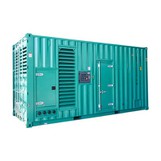
As a supplier of household diesel generators, I'm often asked about the ignition system of these essential machines. In this blog post, I'll delve into the intricacies of the ignition system in a household diesel generator, explaining its components, how it works, and why it's crucial for the generator's performance.
Understanding the Basics of a Diesel Generator Ignition System
Unlike gasoline engines, which use spark plugs to ignite the air - fuel mixture, diesel generators rely on a different principle known as compression ignition. In a diesel engine, air is first drawn into the combustion chamber. The piston then compresses this air to a very high pressure and temperature. When the right moment arrives, diesel fuel is injected into the highly compressed and heated air. The heat of the compressed air is sufficient to ignite the diesel fuel, causing an explosion that drives the piston down and ultimately powers the generator.
Components of the Ignition System
Air Intake System
The air intake system is the starting point of the ignition process. It includes an air filter, which cleans the incoming air, removing dust, dirt, and other impurities. A clean air supply is vital as any contaminants can affect the combustion process and damage the engine. After passing through the air filter, the air enters the intake manifold, which distributes it evenly to each cylinder.
Compression Chamber
The compression chamber consists of the cylinders, pistons, and cylinder heads. The piston moves up and down inside the cylinder. When it moves upward, it compresses the air inside the cylinder. Diesel engines typically have a high compression ratio, usually between 14:1 and 25:1. This high compression ratio raises the air temperature inside the cylinder to around 500 - 700 degrees Celsius, which is hot enough to ignite the diesel fuel.
Fuel Injection System
The fuel injection system is a critical part of the ignition system in a diesel generator. It includes a fuel tank, fuel pump, fuel injector, and various fuel lines. The fuel pump draws diesel fuel from the fuel tank and pressurizes it. The high - pressure fuel is then delivered to the fuel injectors, which spray the fuel into the combustion chamber at the precise moment. Modern diesel generators often use electronic fuel injection systems, which can precisely control the amount and timing of fuel injection, improving efficiency and performance.
Glow Plugs (for Cold Starts)
Glow plugs are used as an aid during cold starts. In cold weather, the compressed air in the combustion chamber may not reach a high enough temperature to ignite the diesel fuel immediately. Glow plugs are heated elements that are installed in the combustion chamber. When the engine is started in cold conditions, the glow plugs are energized, pre - heating the air in the combustion chamber. This helps the diesel fuel to ignite more easily, allowing the engine to start smoothly.
How the Ignition System Works
The ignition process in a diesel generator occurs in a four - stroke cycle: intake, compression, power, and exhaust.
Intake Stroke
During the intake stroke, the intake valve opens, and the piston moves downward. This creates a vacuum in the cylinder, drawing in fresh air through the air intake system.
Compression Stroke
As the piston moves upward, it compresses the air in the cylinder. The high compression ratio causes the air temperature to rise significantly. This compressed and heated air is now ready for the fuel injection.
Power Stroke
At the end of the compression stroke, the fuel injector sprays a fine mist of diesel fuel into the combustion chamber. The hot compressed air immediately ignites the fuel, causing a rapid expansion of gases. This expansion forces the piston downward, generating mechanical power. The piston's movement is transferred to the crankshaft, which converts the linear motion of the piston into rotational motion.
Exhaust Stroke
After the power stroke, the exhaust valve opens, and the piston moves upward again. This pushes the exhaust gases out of the cylinder and into the exhaust system, where they are expelled from the generator.
Importance of a Well - Functioning Ignition System
A properly functioning ignition system is essential for the reliable operation of a household diesel generator. Here's why:


Efficiency
An efficient ignition system ensures that the diesel fuel is burned completely. This maximizes the energy output of the generator and reduces fuel consumption. A well - timed fuel injection and proper compression ratio contribute to efficient combustion.
Power Output
The ignition system directly affects the power output of the generator. If the fuel is not ignited properly, the engine may not generate enough power to meet the electrical load requirements of the household.
Durability
A good ignition system helps to reduce wear and tear on the engine components. Complete combustion means less carbon buildup in the cylinders and valves, which can extend the lifespan of the engine.
Our Range of Household Diesel Generators
As a supplier, we offer a wide range of household diesel generators to meet different power requirements. For instance, our 1500kw Diesel Generator is suitable for larger households or small businesses that require a high amount of electrical power. If you have more modest power needs, our 10kw Diesel Generator Set is a great option. We also have the 75kw Diesel Generator and 1000kw Diesel Generator for various applications. Additionally, our Doosan Diesel Generator Set is known for its reliability and performance.
Contact Us for Procurement
If you're interested in purchasing a household diesel generator, we're here to help. Our team of experts can assist you in choosing the right generator for your specific needs. Whether you need a generator for backup power during outages or for continuous use, we have the solution. Contact us to start the procurement process and discuss your requirements.
References
- Heywood, J. B. (1988). Internal Combustion Engine Fundamentals. McGraw - Hill.
- Taylor, C. F. (1966). The Internal Combustion Engine in Theory and Practice. MIT Press.