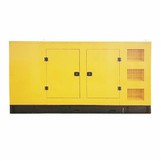
Hey there! As a supplier of emergency generators, I've got a fair bit of knowledge about what hospitals need when it comes to these crucial pieces of equipment. Hospitals are like the heart of a community, and they can't afford to lose power. So, what requirements does a hospital emergency generator need to meet? Let's dive in.
1. Power Capacity
The first and most obvious requirement is having enough power to keep all the essential systems running in a hospital. You see, hospitals have a whole bunch of equipment that can't just be turned off when the main power goes out. We're talking about life - support machines, ventilators, operating theater equipment, refrigerators for storing medications, and more.
To figure out the right power capacity, you've gotta do a detailed load analysis. This means looking at every single electrical device in the hospital, how much power it uses, and whether it's absolutely necessary during a power outage. You can't just guess; it's a scientific process. For smaller clinics, a 30kw Diesel Generator might do the trick. But for larger hospitals with a wide range of high - tech equipment, we're looking at industrial - grade generators like the 1500kw Diesel Generator or 300kw Diesel Generator.
2. Quick Start - Up Time
In a hospital, every second counts. When the main power fails, the emergency generator needs to kick in as fast as possible. A delay of even a few minutes could be life - threatening for patients on life - support systems.
Most hospital - grade generators are designed to start within 10 to 15 seconds. This is achieved through advanced control systems and regular maintenance. These generators are always in a state of readiness, with their batteries charged and their engines primed. And if there's a problem with the starting mechanism, the system should have an alarm to alert the maintenance staff right away.
3. Fuel Reliability
A generator is only as good as its fuel supply. For hospital emergency generators, you need a reliable fuel source that can last for an extended period. Diesel is a popular choice because it's relatively stable, easy to store, and has a high energy density.
The fuel tank should be big enough to keep the generator running for at least 24 to 48 hours without refueling. Some hospitals even have arrangements for automatic refueling systems to ensure continuous operation. And, of course, the fuel storage area needs to meet strict safety standards, including being fire - resistant and well - ventilated.
4. Low Emissions
In today's world, environmental concerns are a big deal. Hospital emergency generators need to comply with emission standards set by local and national authorities. Generators that produce high levels of pollutants like nitrogen oxides, particulate matter, and carbon monoxide can be harmful not only to the environment but also to the health of the people in and around the hospital.
Many modern generators, like the Doosan Diesel Generator Set and Doosan Diesel Generator Set 60Hz, are designed with advanced emission - control technologies. These technologies use filters, catalytic converters, and other systems to reduce the amount of harmful pollutants released into the air.
5. Noise Levels
Hospitals are places of healing, and excessive noise can be a major distraction for patients and staff. That's why hospital emergency generators need to be relatively quiet. Excessive noise can also interfere with medical equipment and communication in the hospital.
To keep the noise levels down, generators are often equipped with sound - proof enclosures. These enclosures are made of special materials that absorb and dampen the sound produced by the generator. The design of the generator itself also plays a role, with features like well - balanced engines and efficient cooling systems helping to reduce noise.
6. Maintenance and Serviceability
Regular maintenance is crucial for the reliable operation of hospital emergency generators. Generators need to be inspected, serviced, and tested on a regular basis to ensure they're in good working condition.
A good emergency generator should be easy to maintain. It should have accessible parts, clear diagnostic systems, and detailed service manuals. And as a supplier, we offer comprehensive maintenance packages to our hospital customers. We've got a team of trained technicians who can come in and take care of everything from routine oil changes to major repairs.
7. Compatibility with Existing Systems
Hospitals already have complex electrical systems in place. The emergency generator needs to be compatible with these existing systems. This includes things like the transfer switches, which are responsible for switching the hospital's power supply from the main grid to the generator when there's an outage.
The generator should also be able to integrate with the hospital's building management system. This allows the hospital staff to monitor the generator's performance in real - time, receive alerts in case of any problems, and control the generator remotely if necessary.
8. Redundancy
In a hospital, it's always better to be safe than sorry. That's why many hospitals have redundant emergency generators. Redundancy means having more than one generator so that if one fails, the other can still keep the power running.
This is especially important for critical areas of the hospital, like the intensive care unit and the operating theaters. By having multiple generators, hospitals can ensure a continuous power supply even in the most unexpected situations.
9. Safety Features
Safety is the top priority in a hospital. Emergency generators need to have a whole bunch of safety features. For example, they should have over - current protection to prevent damage to the generator and the hospital's electrical system in case of a short - circuit. There should also be fire - suppression systems in place to prevent any potential fires from getting out of control.
The generators should be installed in a safe location, away from areas where they could pose a risk to patients or staff. And they should have proper grounding to prevent electrical shocks.
Why Choose Our Emergency Generators?
We understand the unique requirements of hospitals. Our generators are designed and built to meet all the above - mentioned criteria. We use high - quality materials and the latest technologies to ensure reliability, efficiency, and safety.
Whether you need a small generator for a local clinic or a large - scale generator for a big hospital, we've got you covered. Our team of experts can help you with everything from load analysis and generator selection to installation and maintenance.
If you're in the market for a hospital emergency generator, don't hesitate to get in touch. We're here to answer all your questions and work with you to find the best solution for your needs. Let's have a chat about how we can keep your hospital powered up and running smoothly, even during a power outage.


References
- "Electrical Systems for Healthcare Facilities" by the National Fire Protection Association (NFPA).
- "Generator Handbook: Design, Application, and Installation" by Bill Brown.
- "Hospital Facility Management Best Practices" from the American Hospital Association.