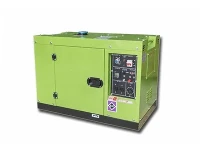
If you’re a business owner, farm manager, or rural resident relying on a 15kW diesel generator to power critical tools, appliances, or backup systems, you know how frustrating it can be when your unit doesn’t deliver the full power it’s rated for. As a supplier of diesel generators, I talk to customers every week who tell me their 15kW unit struggles to keep up during peak demand events—say, when a workshop is running heavy equipment, or a home’s HVAC system kicks in during a summer heatwave. The good news is, increasing your generator’s power output doesn’t always mean buying a new, larger unit. With the right, science-backed adjustments and regular maintenance, you can often squeeze more consistent, reliable power out of your existing 15kW genset without compromising its long-term durability. Today, I’m breaking down the most effective, safe methods to boost your generator’s performance, along with real-world tips I’ve learned working with customers over the past decade.
First, it’s important to set realistic expectations: a 15kW diesel generator’s rated power is the maximum it can produce under ideal conditions, so any changes need to work within the genset’s core design limits. Overloading a generator to push power beyond its built-in capacity will cause engine damage, shorten its lifespan, or create safety hazards like carbon monoxide buildup. All the methods I’m sharing here are tested to stay within the generator’s engineered parameters, with proper monitoring.
Start with the basics: keeping your generator in peak working condition through routine maintenance is the single most impactful way to unlock hidden power. I can’t stress this enough—most underperforming 15kW gensets I see don’t have actual power problems, they have neglect problems. Let’s break down the key maintenance steps that directly affect output. First, air filter replacement. A clogged air filter restricts the amount of oxygen that mixes with diesel fuel during combustion; without enough oxygen, the fuel doesn’t burn efficiently, so you get less power for the same amount of fuel. For a 15kW diesel generator, you should replace the air filter every 200-300 hours of operation, or more often if you run the unit in dusty, dirty environments like construction sites or farmyards. I recently had a farming customer tell me his 15kW genset was only putting out 12kW during harvest season—once we checked, his air filter was so caked with wheat dust it looked like a small brick. A quick filter swap brought him back to full 15kW, no other changes needed.
Next, fuel system maintenance. Diesel fuel can degrade over time, especially if left sitting in the tank for more than 6 months, leading to clogged fuel injectors, carbon buildup, or lower energy content. For a 15kW genset, use ultra-low-sulfur diesel (ULSD) if it’s designed for that—higher-quality fuel burns more completely, delivering more power and less residue. You should also have your fuel injectors inspected and serviced every 1,000 hours. Dirty or misadjusted injectors spray fuel unevenly, so some fuel is unburned and wasted instead of contributing to power production. One customer of mine who runs a small auto body shop had his 15kW generator powering spray booths and air compressors; after a fuel injector cleaning, his power output increased by 1.2kW, enough to add a second sandblaster without upgrading his unit.
Oil changes are another often-overlooked step for power. Diesel generator engines rely on clean, properly viscosity oil to reduce friction between moving parts, which wastes energy. If oil is too old or too thin, friction increases, so the engine has to work harder to turn the alternator, eating into power output. For a 15kW diesel generator, use the manufacturer-recommended oil viscosity (most common is 15W-40 for general use, but check your manual) and change the oil every 100 hours of operation, or 250 hours if you run it at partial load consistently. I always tell customers to change the oil and oil filter at the same time—skipping the filter means circulating old, dirty oil back through the engine, which defeats the purpose of fresh oil.
Once you’ve nailed down routine maintenance, the next step is adjusting the generator’s governor and fuel injection timing—two technical adjustments that can safely boost power when done correctly. The governor is the component that controls the engine’s speed, which directly impacts power output. Most 15kW generators come with a factory-set governor that’s calibrated for general operation, but it can be adjusted to let the engine run at its optimal speed for maximum power, without overloading. Important: this should only be done by a qualified technician who specializes in diesel generators—incorrect governor adjustment can lead to engine runaway (a dangerous condition where the engine speeds out of control) or excessive fuel consumption. A good rule of thumb: when adjusted correctly, the governor should keep the engine within 5% of its rated speed, which for a 15kW unit is typically 1800 RPM.
Fuel injection timing is another technical adjustment that affects power. If fuel is injected into the cylinder too early or too late, it doesn’t burn at the most efficient point in the piston cycle, leading to lower power. For a 15kW diesel generator, the ideal injection timing is set by the manufacturer, but over time, wear on the engine’s camshaft or injectors can shift this timing, reducing output. A technician can use a timing light or digital diagnostic tool to adjust the timing back to the factory specification, often adding 1-2kW of usable power. This is a great middle ground if you don’t want to invest in a larger generator like a 17kVA Generator Price unit, but need a bit more capacity for seasonal high demand.
Beyond these internal adjustments, there are external modifications that can help your 15kW generator perform better. The first is upgrading the cooling system. Diesel generators get hot when running at full load, and high operating temperatures reduce power output by thickening oil, reducing combustion efficiency, and even triggering automatic load limiters to protect the engine. To improve cooling, make sure your generator is installed in a well-ventilated area—if it’s in an enclosed space, add additional ventilation fans or louvers to ensure a constant flow of cool air. I’ve had customers who installed their 15kW gensets in a cramped utility closet, only to find the unit would drop 2kW of power on hot summer days. Moving it to a shaded, well-ventilated spot fixed that issue immediately. You can also consider upgrading the radiator or cooling fan for older gensets; many 15kW models from the 2000s have smaller radiators that can’t keep up with modern higher-efficiency engine designs.
Another external upgrade is upgrading the exhaust system. A restricted exhaust pipe (from rust, carbon buildup, or too narrow a diameter) creates backpressure in the engine, which makes it harder for exhaust gases to escape. This means the engine has to work harder to push out old gases, reducing power and increasing fuel use. For a 15kW generator, the exhaust pipe should be at least 2 inches in diameter, and free of any blockages. If you’re planning to modify the exhaust, make sure the new pipe is installed with enough clearance from flammable materials, and consider adding a muffler designed for diesel generator use—generic car mufflers can create unnecessary backpressure.
It’s also important to match your generator to your actual load, a common mistake that makes people think their generator is underpowered. Many 15kW gensets are rated for 15kW of prime power (continuous operation) or 18kW of standby power (short-term peak use). If you’re running a full load continuously on prime power, that’s within the generator’s design limits, but if you’re running 15kW of constant load, adding even a small additional load can make it feel like the generator is struggling. I always advise customers to use a load management system: prioritize critical loads (like refrigeration, medical equipment, or HVAC) and cycle non-critical loads (like workshop tools or space heaters) during peak demand. If you regularly need more than 15kW of prime power, it might be time to consider a larger unit, like a Kubota 11kW Diesel Generator or even a Genset 75kVA for higher-capacity needs, depending on your requirements.
Wait, let’s address a common misconception: turbocharging. Many customers ask if adding a turbocharger to their naturally aspirated 15kW generator will boost power. While turbocharging is a common way to increase power in diesel engines, it’s not a simple bolt-on modification for portable or standby gensets. Factory engines are designed to work without turbochargers, so adding one would require modifying the engine’s intake, exhaust, fuel system, and cooling system—all of which can void the manufacturer’s warranty, increase wear on the engine, and create significant installation costs. For most 15kW genset owners, the small power gain from a turbo doesn’t justify the risk or expense when there are simpler, safer methods to boost output. That said, if you’re considering upgrading to a more powerful unit, I offer a range of options tailored to different needs, including compact models like the Generator 11kW for those with smaller load requirements.
Another key factor: altitude. Diesel generator power output decreases by roughly 3% for every 1,000 feet above sea level, because the air is thinner, so there’s less oxygen for combustion. If you’re running your 15kW generator at 5,000 feet above sea level, you can expect to lose about 15% of its rated power—meaning your 15kW unit will only produce around 12.75kW at that altitude. To compensate, you can adjust the governor slightly (as long as done by a professional) or consider a turbocharged unit designed for high-altitude use, or even a smaller unit like the 8kVA Diesel Generator For Sale for lower altitude needs. It’s important to note that altitude adjustments only work within limits; at very high elevations (over 10,000 feet), even adjusted naturally aspirated gensets won’t reach their rated power, so choosing a unit sized for altitude is the best solution.
Now, let’s talk about monitoring power output to make sure any changes you make are working correctly. You can buy a simple digital power meter to measure your generator’s actual output, which will let you track changes after maintenance or adjustments. This is critical because it’s easy to mistake other load issues for generator performance. For example, if your home’s wiring has voltage drops, it might seem like your generator isn’t delivering enough power, but the real problem is in the building’s electrical system, not the generator itself. A power meter will help you distinguish between genset-related issues and external electrical problems.
When working on your generator, safety should always be your top priority. Never perform maintenance or adjustments on a running generator—turn it off, disconnect the battery, and let it cool completely before working on it. Always wear protective gear like gloves and safety glasses, and make sure the area around the generator is well-ventilated to avoid carbon monoxide exposure. If you’re not comfortable performing technical adjustments like governor or timing changes, hire a certified diesel generator technician to do the work. It’s worth the small cost to avoid damaging your generator or causing an accident.
Over my years as a diesel generator supplier, I’ve seen that the best way to get consistent power from your unit is a combination of regular maintenance, smart external adjustments, and matching your generator to your actual needs. For most small to medium businesses or residential users with a 15kW genset, following the maintenance steps I outlined (air and fuel filter changes, oil changes, injector service) will unlock 10-15% more power, often enough to cover peak demand without buying a new generator. If you find you regularly need more power than your 15kW can provide, or you’re at a high altitude, upgrading to a properly sized unit is a smarter long-term investment than trying to push your existing genset beyond its limits.


Whether you’re in need of a new generator, parts for your current unit, or professional service to boost your 15kW genset’s power, our team is here to help. We offer a wide range of diesel generators, from compact units like the 8kVA Diesel Generator For Sale to higher-capacity models like the 17kVA Generator Price range, and we can help you find the right solution for your specific load and location. For technical questions about adjusting your 15kW generator, or to learn more about our products, feel free to reach out to our team for personalized support.
References
- Diesel Generator Maintenance Best Practices. Diesel Technology Forum. (2022). Retrieved from dieselforum.org
- Generator Power Output Adjustments and Safety Guidelines. International Organization for Standardization (ISO 8528). (2019)
- Altitude Effects on Diesel Generator Performance. U.S. Department of Energy, Office of Energy Efficiency & Renewable Energy. (2021)
- Diesel Exhaust Backpressure and Engine Efficiency. Society of Automotive Engineers (SAE International). (2020)
- Prime vs Standby Power Ratings for Diesel Gensets. National Electrical Manufacturers Association (NEMA). (2023)