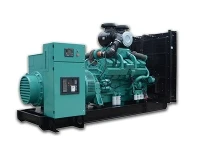
Hey there! I'm a supplier of commercial generators, and while these machines are super useful in many situations, they're not without their drawbacks. In this blog, I'll share some of the disadvantages of using a commercial generator.
1. High Initial Cost
One of the first things you'll notice when looking into commercial generators is the hefty price tag. Whether it's a 1500 RPM Diesel Generator or a Diesel Generator 400V, these units can cost a fortune upfront. You're not just paying for the generator itself, but also for installation, which might involve hiring professionals to set it up correctly. This can be a major barrier for small businesses or individuals on a tight budget. You might think twice about shelling out that much money, especially if you're not sure you'll need the generator all the time.
2. Fuel Expenses
Commercial generators typically run on fuel, like diesel or gasoline. And let's face it, fuel prices can be unpredictable. Diesel, for example, is often used in larger commercial generators because it's more efficient, but it can also be quite expensive. Running a 100kW Diesel Generator Set for an extended period can eat into your budget real fast. You have to factor in the cost of buying fuel regularly, and if there are any shortages or spikes in fuel prices, you're in for a rough ride. Plus, storing fuel safely can be a hassle and adds an extra cost to the equation.
3. Maintenance Requirements
These generators are complex machines, and they need regular maintenance to keep running smoothly. That means scheduling routine check - ups, changing oil, filters, and other components. If you neglect maintenance, you're likely to run into problems sooner rather than later. And maintenance isn't cheap either. You have to pay for parts and labor, and if you don't have someone on your team who knows how to work on generators, you'll have to hire a professional. A Prime Power Diesel Generator, for instance, requires more frequent and in - depth maintenance compared to smaller units because it's designed for continuous use.


4. Noise Pollution
One of the more obvious downsides of commercial generators is the noise they produce. When a generator is running, it can be really loud, especially if it's a big one. This can be a major issue in both residential and commercial areas. In a residential neighborhood, the noise can disrupt the peace and quiet, annoying your neighbors. In a commercial setting, it can interfere with normal business operations, making it hard for employees to communicate or for customers to feel comfortable. Some generators come with sound - proof enclosures, but these add to the cost and still might not completely eliminate the noise. An Open Type Diesel Generator is usually noisier compared to those with enclosures because it lacks the shielding.
5. Environmental Impact
Commercial generators, especially those that run on fossil fuels, have a significant environmental impact. They emit harmful pollutants like carbon monoxide, nitrogen oxides, and particulate matter. These pollutants can contribute to air pollution, which is bad for the environment and human health. In areas with strict environmental regulations, operation of some generators might be restricted. Additionally, the ongoing extraction and consumption of fossil fuels for these generators contribute to climate change. As society becomes more environmentally conscious, businesses are under increasing pressure to reduce their carbon footprint, and relying on a fuel - powered commercial generator might not look good from a sustainability perspective.
6. Limited Portability
Most commercial generators are large and heavy, which makes them difficult to move around. If you need to relocate your business or use the generator in different locations, it can be a real challenge. You might need special equipment or vehicles to transport it safely. And even if you manage to move it, getting it set up again in the new location can be time - consuming and costly. This lack of portability can be a drawback, especially for businesses that operate in multiple sites or those that need a generator for on - the - go projects.
7. Risk of Power Surges
While generators are supposed to provide a stable power supply, there's always a risk of power surges. Power surges can damage sensitive electronic equipment, like computers, servers, and other high - tech devices. This can result in costly repairs and lost data. You need to invest in additional surge protection devices to safeguard your equipment, which adds to the overall cost of using the generator. And even with surge protectors, there's no guarantee that your equipment will be completely safe.
8. Start - up Time
In an emergency situation, you need power to come back on as quickly as possible. Unfortunately, commercial generators usually have a start - up time. It can take a few seconds to several minutes for the generator to start running and provide a stable power supply. During this time, your business operations can be disrupted, and you might lose valuable data or experience financial losses. Some generators are designed to start up faster than others, but even the quick - start models still have a short delay.
Despite these disadvantages, commercial generators can still be a valuable asset for many businesses. They provide a reliable source of backup power during outages, ensuring that operations can continue without major disruptions. And new technologies are constantly being developed to address some of these issues, like quieter generators and more fuel - efficient models.
If you're still interested in learning more about our commercial generators or are thinking about making a purchase, don't hesitate to reach out. We're here to help you find the right generator for your needs and can provide more details on how to mitigate some of these disadvantages. Contact us to start a procurement discussion and see how we can work together to meet your power requirements.
References
- Smith, J. (2020). "The Impact of Generator Use on the Environment". Journal of Energy and Sustainability.
- Johnson, A. (2021). "Cost - Benefit Analysis of Commercial Generators". Business Economics Review.
- Brown, C. (2019). "Generator Maintenance Best Practices". Industrial Equipment Magazine.