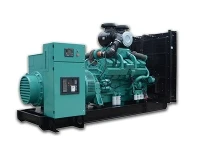
Hey there! I'm a supplier of gensets for sale, and today I wanna chat about something super important - the power transfer switch compatibility of gensets.
First off, let's get into what a power transfer switch is. In simple terms, it's a crucial device that allows you to transfer the power source between the main grid and your genset. When the main power goes out, the transfer switch kicks in and connects your essential loads to the genset, ensuring that your equipment and systems keep running smoothly.
Now, when it comes to the compatibility of power transfer switches with gensets, there are a bunch of factors to consider. One of the main things is the electrical ratings. The voltage and frequency of the genset must match those of the transfer switch. If these don't align, you're gonna run into some serious problems. For example, if the genset is generating a different voltage than what the transfer switch can handle, it could lead to malfunctions, or even damage to your equipment.
Another vital aspect is the capacity. The transfer switch needs to be able to handle the load capacity of the genset. You wouldn't want to have a transfer switch that can only handle a small amount of power when you've got a big, powerful genset. That's like trying to fit a square peg into a round hole - it just won't work. So, you've got to make sure that the switch can handle the maximum power output of your genset.
The type of transfer switch also matters. There are two main types: automatic transfer switches (ATS) and manual transfer switches (MTS). ATS are super convenient because they can detect a power outage and switch the power source automatically. They're great for places where you need continuous power, like hospitals or data centers. On the other hand, MTS require someone to manually flip the switch to transfer the power. They're usually more cost - effective and can be a good option for smaller applications where an immediate power transfer isn't as critical.
Let's talk about some specific scenarios. Say you're in the market for a high - voltage genset. We've got some great options like the 6.6kv Diesel Genset, the High Voltage Diesel Generator 6.6kV, the 6.6kV Electric Power Generator, the 6.6kV Diesel Generator, and the High Voltage Diesel Generator. For these high - voltage gensets, you need a transfer switch that's designed to handle high - voltage applications. These switches are built with special insulation and safety features to ensure proper and safe operation.
When choosing a transfer switch for your genset, you also need to think about the number of circuits it can support. Some transfer switches are designed for single - circuit applications, while others can handle multiple circuits. If you've got a complex electrical system with lots of different loads, you'll need a transfer switch that can support all of them.
The installation process is another thing to consider. Some transfer switches are relatively easy to install, while others may require professional help. Automatic transfer switches, in particular, often need to be installed by an electrician to ensure that they're wired correctly and will function properly during a power outage.
It's also a good idea to look for transfer switches that come with features like surge protection. Power surges can be a real headache, especially when they occur during a power transfer. A transfer switch with surge protection can help safeguard your equipment from damage caused by these sudden spikes in voltage.


Now, let's get a bit technical about the electrical compatibility. The power factor of the genset and the transfer switch should be compatible. Power factor is a measure of how effectively electrical power is being used. If the power factor of the genset and the transfer switch are different, it can lead to inefficiencies and potentially cause problems with the performance of your electrical system.
The phase configuration is another key point. Whether it's single - phase or three - phase, the genset and the transfer switch must have the same phase configuration. Using a single - phase transfer switch with a three - phase genset, or vice versa, will result in a non - working setup.
In addition to the technical aspects, you also need to consider the long - term reliability and maintenance of the transfer switch. Look for switches that are made by reputable manufacturers and come with a good warranty. Regular maintenance, like checking for loose connections and cleaning the contacts, can help ensure that your transfer switch lasts a long time and functions properly when you need it most.
We understand that choosing the right combination of a genset and a transfer switch can be a bit overwhelming. That's why we're here to help. We've got a team of experts who can offer you tailored advice based on your specific needs. Whether you're a small business owner looking for a backup power solution for your office or a large industrial operation in need of a high - power genset, we can help you find the perfect match.
If you're interested in purchasing a genset for sale and getting the right power transfer switch for it, don't hesitate to reach out. We're more than happy to have a chat about your requirements and assist you in making the best decision. We can provide you with detailed product information, pricing, and any other details you may need.
So, if you're in the market for a reliable genset and a compatible power transfer switch, get in touch for a purchase discussion. We're looking forward to helping you secure your power supply.
References
- Electrical Power Systems by Ali A. Chowdhury
- Handbook of Electric Power System Engineering by Shunichi Nakaoka