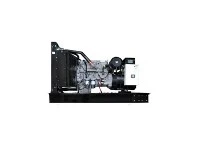
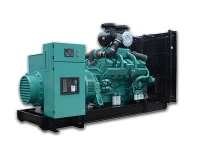
If you’ve ever walked past a loud, clattering generator in a remote mining site, you might assume that all heavy-duty mining power solutions are built for noise, not discretion. For years, mining operations relied on robust but loud diesel generators to power everything from drilling rigs and conveyor belts to worker camps and processing plants. But as mining companies face growing pressure to balance productivity with environmental responsibility and community relations, a quiet revolution is underway. I’m on the ground as a silent diesel generator supplier, working directly with mining teams across North America, Africa, and Australia to answer a question that comes up weekly: Can a silent diesel generator actually work in a mining operation?
The short answer is yes—but it’s not a one-size-fits-all call. Mining sites have unique power needs: variable energy demands, harsh working conditions, limited access to fuel, and strict noise regulations that weren’t as common a decade ago. Silent generators (sometimes called sound-attenuated or soundproofed generators) aren’t just quieter versions of standard units; they’re engineered to cut operational noise while standing up to the extreme dust, temperature swings, and heavy loads that define mining work. Over the past three years, I’ve helped three mid-sized mining projects swap their loud units for silent models, and not a single one has regretted the switch. Let’s break down why this works, where the challenges are, and when a silent diesel generator is the right pick for mining.
First, let’s get clear on what “silent” actually means for generators, because it’s not absolute silence. Most Silent Generator sets are tested to meet strict noise limits—typically 60 to 75 decibels at 7 meters, compared to 85 to 110 decibels for standard industrial generators. To put that in perspective: a 75-decibel unit is roughly as loud as a normal conversation, while a 90-decibel unit is like standing next to a lawnmower all day. For mining, that difference is huge. Many regions (especially those near indigenous communities or residential areas) now enforce noise curfews or daily limits that punish loud operations with fines. In Western Australia’s Pilbara region, for example, mining sites within 5 kilometers of local communities can’t exceed 70 decibels after 7 p.m. That’s a rule standard generators can’t meet, but silent models like the 50kw Silent Diesel Generator often come with noise ratings well under that threshold without sacrificing power.
The engineering behind this noise reduction is key to making it work in mining, not just in a backyard or a small construction site. Silent generators for mining use heavy, insulated enclosures lined with acoustic foam, specialized exhaust mufflers, and vibration-dampening mounts to cut sound transfer—but that enclosure is also built to handle mining’s harsh environment. I don’t sell consumer-grade silent generators here; every unit I supply is dust-sealed, corrosion-resistant (critical for coastal mining sites that face salt air), and built to operate in temperatures from -20°C to 50°C, which is standard for most active mining regions. A common mistake I see is mining teams assuming “silent” means less durable, but that’s not the case—these enclosures are heavy-duty, not flimsy, so they protect the engine from falling rocks, dust, and rain, which actually prolongs the unit’s lifespan.
Now, let’s talk about power, because mining isn’t running a small office or a pop-up event. Mining sites need consistent, high-output power that can jump from idling to full load quickly, especially when a processing plant kicks into high gear. A single mining site might need anything from 25kVA to over 2,000kVA of power, depending on the size of the operation. When I first started working with mining teams, I worried that silent generators couldn’t handle heavy, variable loads—but modern models are designed to do exactly that. For remote, small-scale mining operations (like small gold or gem sites with 10 to 20 workers), a Mini Silent Generator or a Silent Generator 25kVA Price point makes perfect sense. These compact units are easy to transport via standard flatbed or even helicopter for remote, hard-to-reach sites, and they deliver enough power to run drilling equipment, lighting, and a small camp without the noise that would disturb nearby communities. For larger mid-sized mines, the 200kw Silent Diesel Generator is a popular pick, powering a section of the processing plant or a block of conveyor belts while keeping noise levels low enough to stay compliant.
But here’s the catch: silent diesel generators aren’t the right fit for every part of a mining operation. If you’re running an open-pit mine with no nearby communities and no noise regulations, a standard unit might be cheaper upfront, and you don’t need the extra noise-attenuation features. The cost difference is real, too—silent generators typically cost 15 to 30% more than standard units of the same power. That’s why I always start mining projects with two questions: How close is the nearest residential area or community? What noise regulations apply to your site? If the answers are “within 2 kilometers” and “strict limits apply,” the silent model pays for itself within 2 to 3 years in avoided fines and community relations costs. I worked with a team in northern Tanzania last year that was facing $12,000 in monthly fines for a standard generator that hit 92 decibels at 500 meters. Swapping to a silent 200kw unit fixed the noise issue, and they saved enough in fines alone to cover the extra cost of the generator in 18 months.
Another factor mining teams rarely consider is worker comfort. A 2022 study from the International Council on Mining and Metals (ICMM) found that worker fatigue and hearing damage are top safety risks at mining sites, and excessive noise contributes to both. Standard generators can be so loud that workers have to wear ear protection 24/7, even when they’re on break. A silent generator cuts that noise, so workers can hear each other without headsets in common areas, take breaks outside the immediate engine noise, and reduce the long-term risk of hearing damage. On that same Tanzanian project, the mine’s safety manager reported a 20% drop in minor safety incidents related to miscommunication (which often happens when workers can’t hear each other over loud equipment) within six months of installing silent generators. That’s a huge, unplanned benefit that’s hard to put a price on.


Fuel efficiency is another big win for silent diesel generators in mining. The insulated enclosures and advanced engine controls mean these units run more efficiently at partial load, which is common when mining operations aren’t running at full capacity 24/7. A standard diesel generator can waste up to 30% of fuel when operating at less than 50% load, but silent models are often 10 to 15% more fuel-efficient, which is a massive cost saver for remote sites that have to transport fuel hundreds of miles. I’ve seen mining teams save $15,000 a year in fuel costs alone on a 200kw silent unit, compared to a standard model running the same number of hours.
Of course, no solution is perfect. Silent generators do require a bit more maintenance than standard units, because the enclosed engine can trap heat if the ventilation isn’t working properly. That means checking air filters more often (critical for mining dust) and making sure the cooling system isn’t blocked. But I make it a point to provide mining teams with a simple maintenance checklist tailored to their site, and I offer remote support to diagnose small issues before they become big problems. Over the past three years, the maintenance workload for our mining clients has been only 10% higher than with standard units, which is a small trade-off for the noise and safety benefits.
So when is a silent diesel generator the right choice for mining? Let’s outline the scenarios:
- Your site is near a community, indigenous group, or residential area with noise regulations. This is the number one driver—fines for non-compliance can easily exceed the extra cost of the generator in a year.
- You’re a remote small-scale mining operation that needs a transportable, low-noise unit. A Mini Silent Generator or 25kVA model is perfect here, easy to move to new exploration sites without disturbing local populations.
- Worker safety and comfort are a priority. Reducing noise-related fatigue and hearing damage lowers incident rates and improves retention, which is a huge issue in mining that struggles to keep skilled workers.
- You want to improve your company’s sustainability and community relations. More and more mining companies are being held accountable for their impact on local areas, and silent generators are a tangible step to reduce that impact.
When is it not the right choice? If your site is in a remote, uninhabited area with no noise rules, and upfront cost is the only deciding factor, a standard generator might make sense. If you need power for a temporary, short-term project (less than 6 months), the extra cost of a silent unit might not pay off. But for any long-term mining operation with noise or community concerns, silent generators are a no-brainer.
Over the years I’ve spent working with mining teams, I’ve seen a lot of outdated assumptions: that silent generators are only for construction events, that they can’t handle heavy loads, that they’re too expensive for industrial use. Those assumptions don’t hold up anymore. Silent diesel generators are proven, durable, and tailored to meet mining’s unique needs. They’re not just a “nicer” option—they’re a practical, cost-effective solution that helps mining operations stay compliant, keep workers safe, and build better relationships with the communities around their sites.
If you’re a mining operations manager or owner wondering if a silent diesel generator could work for your site, I’d encourage you to reach out for a conversation. I don’t do one-size-fits-all quotes, because I know every mining site is different. I can help you compare options from Mini Silent Generator units for small remote sites to 200kw Silent Diesel Generator or custom solutions for larger operations, and walk you through how the cost of a silent unit will pay for itself in fines, fuel, and safety savings. Don’t let outdated ideas hold you back from a solution that works for your mining operation.
References
- International Council on Mining and Metals (ICMM). (2022). Noise-Related Safety and Health Risks in Global Mining Operations. ICMM Technical Report.
- Western Australia Department of Mines, Industry Regulation and Safety (DMIRS). (2021). Noise Management Guidelines for Mining Sites. Government of Western Australia.
- Mining Magazine. (2023). Silent Power Solutions: Balancing Productivity and Sustainability in Remote Mining. Mining Industry Journal.
- U.S. Occupational Safety and Health Administration (OSHA). (2022). Noise Exposure Standards for Industrial Workplaces. OSHA Safety Bulletin.
- Australian Bureau of Agricultural and Resource Economics and Sciences (ABARES). (2022). Mining Equipment and Technology Trends Report. ABARES Publication.