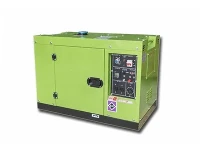
As a supplier of Mining Diesel Generators, I've received numerous inquiries about adjusting the speed of these powerhouses. It's a crucial aspect, especially in the mining industry where consistent and reliable power is non - negotiable. In this blog, I'll share some practical tips on how to adjust the speed of a mining diesel generator.
Understanding the Basics of Generator Speed
First off, it's important to know that the speed of a diesel generator is measured in revolutions per minute (RPM). For most mining diesel generators, the standard operating speed is around 1500 or 1800 RPM, depending on the design and the electrical frequency requirements. In regions where the electrical grid operates at 50 Hz, generators usually run at 1500 RPM, while in areas with a 60 Hz grid, 1800 RPM is the norm.
The speed of the generator directly affects the frequency of the electrical output. If the speed is too low, the frequency drops, and the electrical equipment connected to the generator may not function properly. On the other hand, if the speed is too high, it can cause over - voltage and potentially damage the connected devices.
Factors Affecting Generator Speed
There are several factors that can influence the speed of a mining diesel generator. One of the main factors is the load on the generator. When the load increases, the engine has to work harder to maintain the speed. If the load is too heavy, the generator may slow down, leading to a drop in frequency.
Another factor is the fuel supply. A consistent and proper fuel supply is essential for maintaining the generator's speed. If there are issues with the fuel pump, fuel filter, or fuel injectors, it can cause fluctuations in the engine's speed.
The condition of the engine components also plays a role. Worn - out parts such as the governor, belts, and bearings can affect the generator's speed. Regular maintenance and inspection of these components are crucial to ensure smooth operation.
Methods to Adjust the Generator Speed
Manual Adjustment
Most mining diesel generators come with a manual speed control mechanism. This is usually a throttle lever or a control knob that allows you to adjust the engine speed. To adjust the speed manually, you need to locate the throttle control. It's typically located on the control panel of the generator.
Before making any adjustments, make sure the generator is running at a stable load. Slowly turn the throttle lever or knob in the appropriate direction to increase or decrease the speed. Keep an eye on the RPM gauge and the frequency meter to ensure that you're achieving the desired speed and frequency.
It's important to make small adjustments at a time. Sudden and large changes in speed can cause the generator to become unstable and may even damage the engine.
Automatic Speed Control
Many modern mining diesel generators are equipped with an automatic speed control system, also known as a governor. The governor is a device that automatically adjusts the engine speed to maintain a constant frequency, regardless of the load changes.


The governor works by sensing the speed of the engine and adjusting the fuel supply accordingly. If the speed drops, the governor increases the fuel supply to the engine, and if the speed is too high, it reduces the fuel supply.
To ensure the proper functioning of the governor, it needs to be regularly calibrated. You can refer to the generator's user manual for specific instructions on how to calibrate the governor.
Troubleshooting Speed - Related Issues
If you're experiencing problems with the speed of your mining diesel generator, there are a few things you can check.
First, check the fuel system. Make sure there is enough fuel in the tank and that the fuel lines are not clogged. A clogged fuel filter can restrict the fuel flow and cause the engine to run at a lower speed.
Next, inspect the governor. If the governor is not functioning properly, it may not be able to maintain the correct speed. Look for any signs of damage or wear on the governor components.
Also, check the electrical connections. Loose or corroded connections can cause electrical interference, which may affect the speed control system.
Importance of Proper Speed Adjustment
Proper speed adjustment of a mining diesel generator is crucial for several reasons. Firstly, it ensures the stability of the electrical output. A stable frequency is essential for the proper operation of electrical equipment in the mining site.
Secondly, it helps to extend the lifespan of the generator. Running the generator at the correct speed reduces the stress on the engine components, which can prevent premature wear and tear.
Finally, it improves the overall efficiency of the generator. When the generator is running at the optimal speed, it consumes less fuel and produces more power, which can save on operating costs.
Conclusion
Adjusting the speed of a mining diesel generator is a critical task that requires careful attention. Whether you're using manual or automatic speed control methods, it's important to understand the basics of generator speed and the factors that can affect it.
As a Mining Diesel Generator supplier, we're here to provide you with high - quality generators and the support you need to keep them running smoothly. If you're in the market for a 6.6kv Diesel Genset or a High Voltage Diesel Generator, don't hesitate to reach out to us. We can help you choose the right generator for your mining needs and provide you with guidance on speed adjustment and maintenance.
If you have any questions or need further assistance, feel free to contact us for a detailed discussion. We're looking forward to working with you to ensure your mining operations have a reliable power supply.
References
- Diesel Generator Handbook, various editions
- Manufacturer's user manuals for mining diesel generators