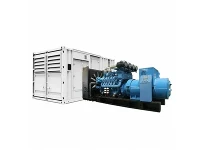
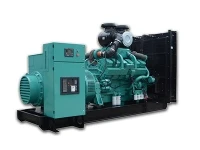
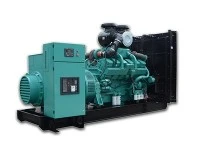
Hey there, if you’re reading this, you probably either own a backup power generator, manage a facility that relies on one, or are in the market for a new setup—all of which means you already get why keeping that beast running is non-negotiable. I’ve been in the generator game for over a decade, working with everyone from small warehouses to big mining operations, and one thing I see all the time is folks buying the right unit, but totally dropping the ball on maintenance. That’s how you end up with a dead generator when the grid cuts out at 2 a.m. during a storm, and trust me, that’s a nightmare no one needs.
Today I’m breaking down exactly what maintenance your backup power generator actually needs—no jargon, no confusing checklists, just the stuff that will keep your unit firing when you need it most. And if you’re in the market for a new one, I’ll drop links to our models that fit different use cases along the way, since we sell everything from small 2kV units up to big high-voltage setups.
First off, let’s get one thing straight: maintenance isn’t just about changing oil every few months (though that’s definitely part of it). It’s a mix of regular daily checks, monthly tasks, quarterly deep dives, annual overhauls, and seasonal prep—especially if you live somewhere with extreme weather. Skip even one part of this routine, and you’re asking for trouble. Let’s start with the basics that you should be doing every single time you’re around the generator, because small issues turn into big ones fast.
Daily checks are the quick wins, the stuff that takes 5 minutes and can save you hours of downtime later. First, look at the fuel level. I can’t tell you how many times someone has called me panicking because their generator was supposed to kick on, but it had a quarter tank of bad gas. If you’re using diesel (which most commercial and industrial units do, by the way), check for water in the fuel too—water settles at the bottom of the tank, and if it gets into the engine, that’s a massive problem. We always recommend draining a little from the fuel filter every day for units that sit unused for long stretches.
Next, check the battery. Generators use cranking batteries, just like your car, but they sit idle for months sometimes, so they lose charge. Make sure the terminals are clean, no corrosion, and the voltage is where it should be. If you see any white gunk on the posts, wipe it off with a mix of baking soda and water—super simple, takes 2 minutes. Also, listen for weird noises when you first start it up (we’ll get to testing in a sec) but even just when you’re walking by: any rattles, hisses, or unusual vibrations? Those are red flags. And don’t forget to check the coolant level, especially if you’re in a hot climate—engines run hot, and low coolant will cause overheating before you know it.
Monthly tasks are a step up, but still pretty manageable, no need to be a mechanic. The big one here is running the generator for 30 minutes to an hour, under load if possible. A lot of people just start it up to make sure it turns over, but if you don’t put actual load on it (like powering a few critical pieces of your facility), you’re not burning off the condensation that builds up in the engine and exhaust system. That condensation causes rust, which eats away at parts over time. If you have a high-voltage unit, like the 6.6kV Electric Power Generator that we sell for industrial grid support, this monthly load test is extra important because it has more complex electrical components that need to work under stress to stay reliable.
During that monthly run, check the exhaust for any unusual smoke. A little light gray is normal, but thick black smoke means you’ve got a fuel injection issue, and white smoke is usually coolant leaking into the cylinders—neither of which you want to ignore. Also, check the oil pressure gauge while it’s running. If it’s below the recommended range, that’s a sign you might need an oil change soon, or there’s a bigger mechanical issue. Another monthly task: inspect the air filter. If it’s dirty, replace it—clogged air filters make the engine work harder, burn more fuel, and can cause long-term damage. We see this a lot with the Mining Diesel Generator units, which operate in super dusty environments, so their air filters need checking more often than standard units.
Now, quarterly maintenance—this is where you get into more hands-on stuff that’s best done by a trained tech, but if you’re handy, you can tackle some parts. First, change the oil and oil filter. I know it seems often, but diesel engines (which almost all backup generators use) run hotter and work harder than car engines, so they need fresh oil every 100-200 hours of run time, or every 3 months, whichever comes first. Skip this, and you’ll have engine wear that cuts your generator’s life in half. Along with the oil, replace the fuel filter too—dirty filters restrict fuel flow, and we’ve had units fail because a clogged filter stopped fuel delivery right when they needed to kick on.
Also, quarterly, check the belts and hoses. Belts drive things like the water pump and alternator, and if they’re cracked or loose, they’ll break when you need them. Hoses can develop leaks over time, especially in extreme temperatures—winter cold makes them brittle, summer heat makes them swell. Tighten loose belts, replace any with cracks or frays, and patch or replace leaking hoses. For larger units, like the 15Kv Generator that’s common in large commercial buildings, we always recommend a tech inspects the control panel quarterly too—checking wiring connections, making sure the transfer switch is working properly, and testing the alarm system so you get a heads up if something goes wrong.


Then there’s annual maintenance, the big overhaul that you can’t skip. This should be done by a certified generator tech, no exceptions. They’ll do a full inspection of the entire engine, from the pistons to the exhaust manifold. They’ll test the compression to make sure the cylinders are sealing properly, check for any internal leaks, and adjust the valve timing if needed. They’ll also do a load bank test—this is where you connect the generator to a load bank that mimics the actual load it would handle during a power outage, and run it at full capacity for a set amount of time. This catches issues that you wouldn’t see from running it lightly or monthly tests.
For high-voltage units, like the 11kv Diesel Generator used in substations or large industrial sites, annual testing is critical because of the higher voltage components—one bad connection can cause a power surge that damages your entire facility, not just the generator. Our techs do this annually for all our customers, so if you bought a unit from us, you know exactly when that’s scheduled.
Seasonal maintenance is another big one, depending on where you live. If you’re in a cold climate (think anywhere that gets below freezing), prep your generator for winter in late fall. Add winter-grade diesel fuel—regular diesel gels in cold temps, and you won’t be able to get it to flow, which means your generator won’t start. Add a fuel anti-gel additive too, just to be safe. Also, make sure the battery is fully charged, since cold weather kills battery power fast. Insulate the generator if it’s in an outdoor shed or on a concrete pad, but make sure there’s still proper ventilation—generators need air to cool, so you don’t want to seal them up tight.
If you’re in a hot, humid climate, summer prep is all about keeping the generator cool. Make sure the radiator is free of debris (leaves, dirt, bugs) that can block airflow and cause overheating. Check the coolant concentration—you want a 50/50 mix of coolant and water, or higher if temps are really extreme. Also, make sure the area around the generator is clear of grass, weeds, or other flammable materials, since generators get hot and a stray spark can start a fire.
Wait, and what about smaller units? A lot of people buy portable generators for home use, or small Generator 2Kv units for small businesses. Those need maintenance too, just a little less frequent. For portable units, you should change the oil every 50 hours, check the spark plug before each use, and keep the carburetor clean—old fuel can gum up the carb, so if you’re not using it for a while, drain the fuel or add a stabilizer. I see so many portable generators that won’t start during a storm because the carb is gummed up, so that’s a quick fix you don’t want to skip.
Now, let’s talk about the mistakes I see all the time. One is waiting until the power goes out to test the generator. I had a customer a few years ago who had a 1000kW generator for their hospital, and they only tested it once a year. During a blackout, the generator turned over, but the fuel injector was clogged, so it only ran for 5 minutes before dying. That’s the kind of story that makes me sick—especially when it’s something that could have been fixed with monthly testing and a $50 fuel filter change.
Another mistake is using the wrong parts. A lot of people will buy cheap oil filters or generic belts to save money, but those parts are made to lower standards, and they’ll fail faster, which means more downtime and more cost in the long run. If you bought your generator from a reputable supplier (hint, wink, that’s us), use the manufacturer-recommended parts—we stock all the filters, belts, and other parts for every unit we sell, so you can get them fast when you need them.
And don’t forget documentation. Keep a log of every maintenance task you do—oil changes, tests, repairs, part replacements. That log will help you catch patterns (like if the generator is always burning through oil faster than it should) and it’s also useful if you ever sell the unit or need to file a warranty claim. We keep digital logs for all our customers who buy from us, so you don’t have to track it all down yourself.
At the end of the day, a backup generator is an investment—you pay for it upfront, and if you maintain it properly, it will last 20+ years, compared to 10 years or less if you neglect it. The maintenance isn’t hard, it just takes consistency.
If you’re in the market for a new generator, whether you need a small 2kV unit for a small shop, a mid-sized unit for a commercial building, or a high-voltage setup like our 6.6kV Electric Power Generator, we’ve got you covered. We work with all types of businesses, from mining operations using our Mining Diesel Generator to large substations needing our 11kv Diesel Generator and 15Kv Generator. If you want to chat about what size or type of generator is right for your needs, and get a maintenance plan that fits your setup, reach out to our team anytime. We’re here to make sure you never get stuck with a dead generator when you need it most.
References
- National Fire Protection Association. (2020). NFPA 110: Standard for Emergency and Standby Power Systems.
- Engine Power Systems. (2022). "Maintenance Best Practices for Industrial Diesel Generators."
- International Organization for Standardization. (2021). ISO 8528: Reciprocating internal combustion engine driven alternating current generating sets.
- U.S. Department of Energy. (2023). "Backup Generator Safety and Maintenance Guidelines."
- Association of Electrical and Medical Imaging Equipment Companies. (2022). "Critical Power Reliability for Healthcare Facilities."