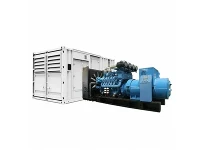
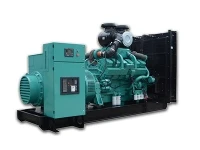
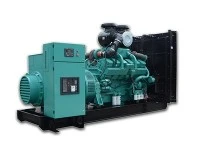
If you’ve ever had to power a job site in a tight basement, keep critical medical equipment running in a small clinic’s utility closet, or run temporary tools in a cramped industrial storage bay, you’ve probably wondered: Can a super silent diesel generator work in a confined space? As the owner of a super silent diesel generator supply business, I get this question at least three times a week—and for good reason. Confined spaces (think areas with limited ventilation, small footprints, or strict noise ordinances) aren’t one-size-fits-all, and generators that work outdoors often become a disaster when squeezed into tight quarters. The short answer is yes, but only if you understand the unique constraints of confined spaces and how super silent diesel generators are engineered to address them. Let’s break this down with real-world context, data, and the hands-on lessons I’ve learned from helping customers navigate this exact problem over the past five years.
First, let’s define what a “confined space” actually means for generator use, because this isn’t just a fancy OSHA term. When we talk about confined spaces for power equipment, we’re referring to areas that meet two key criteria: limited ventilation (so air can’t circulate freely) and a small, enclosed footprint (usually less than 500 square feet of total space, with narrow access points). Common examples include residential basement utility rooms, small commercial back-of-house storage areas, mobile command centers on construction sites, and even emergency backup closets in apartment buildings. For these spaces, two big problems kill regular generators: noise that disturbs nearby occupants, and exhaust fumes that build up to dangerous levels. That’s where super silent diesel generators come in—but their ability to work in confined spaces depends entirely on how their design addresses both of these risks.
Let’s start with noise, since that’s the most obvious “super power” of these units. A standard open-frame diesel generator can emit 85 to 95 decibels (dB) at 7 meters—loud enough to cause hearing damage after just an hour of exposure, and definitely loud enough to make a residential basement unusable for anything else. Super silent diesel generators, by contrast, are engineered with layered sound-dampening insulation, enclosed acoustic enclosures, and variable-speed engines that adjust RPMs based on load, cutting noise down to 55 to 65 dB at 7 meters. To put that in perspective, 60 dB is roughly the sound of normal conversation, so a properly sized super silent generator running in a small basement won’t be disruptive.
But here’s the thing: not all super silent generators are equal when it comes to confined spaces. I’ve had a customer come to me last year with a 100kVA unit he tried to stuff into a 10x10 foot room for a restaurant’s backup power. It worked for 20 minutes before the noise became so loud the staff complained, and the exhaust fumes triggered the building’s CO alarm. The mistake he made was buying a unit that was too large for the space, even if it was “silent.” When you’re working in a confined space, size and power output matter as much as noise level. That’s why we’ve seen such demand for compact, low-kVA models like the 2kW Silent Generator or the 3kW Generator Silent from our line. These units are small enough to fit in 4x6 foot corners, emit less than 60 dB at 7 meters, and are perfect for small-scale confined spaces like tiny clinic backup closets or residential home offices. For larger confined spaces—think a small construction trailer or a 20x20 back-of-house storage area—our 62kVA Silent Generator Price points to a unit that’s still compact enough to maneuver, with noise levels under 62 dB, which makes it suitable for slightly bigger enclosed spaces.
Now, the critical part most people miss when considering generators in confined spaces: exhaust emissions. Diesel generators, even super silent ones, emit carbon monoxide (CO), a colorless, odorless gas that’s deadly in high concentrations. The biggest myth I hear from customers is that “if it’s quiet, it’s safe indoors.” That’s not true. Even a small generator running in a confined space with poor ventilation can build up CO levels that exceed the safe threshold (35 ppm over an 8-hour period for residential spaces, per OSHA standards) in less than 10 minutes. So, noise reduction is a big part of super silent generator design, but exhaust management is non-negotiable for confined space use.
This is where the engineering of purpose-built soundproof diesel generators really shines. When we design our units for confined space use, we don’t just line the enclosure with foam to muffle noise—we integrate a dedicated exhaust system with catalytic converters that reduce CO emissions by up to 70%, plus a venturi-style exhaust fan that actively pulls fumes out of the enclosure and routes them away from the space, not just recirculating them inside. In fact, all of the super silent diesel generators we sell are certified to meet EU Stage V and US EPA Tier 4 emissions standards, which means they’re drastically cleaner than old-school open-frame models. But even with those features, proper ventilation is still required for any generator in a confined space. The good news is that for most small confined spaces, you don’t need a huge ventilation system—just two 6-inch vents (one near the top of the space to vent hot air, one near the bottom to pull in fresh air) and a small CO alarm mounted within 10 feet of the generator will keep levels safe.
I want to share a real success story here, because this isn’t just theory. Last year, we worked with a small veterinary clinic in downtown Chicago that needed a backup generator for their utility closet—an 8x10 foot space with a single 12x12 inch window. The clinic’s owners had tried a regular portable generator before, but the noise was so loud it scared the clinic’s animals, and they almost triggered a CO alarm twice. They came to us looking for a super silent unit that could power their anesthesia machine, exam room lights, and refrigeration for vaccines—total power need of 2.5kW. We recommended the 2kW Silent Generator, which fit perfectly in their closet, and worked with their electrician to install two small vents and a CO alarm. When they tested it, the noise level at the clinic’s front desk (25 feet away) was 58 dB—no louder than the clinic’s background AC hum—and CO levels never exceeded 12 ppm, even during a 4-hour simulated blackout. They’ve been using it for over a year now, and they told us it’s eliminated their emergency power worries entirely.
Of course, there are limits to what a super silent diesel generator can do in a confined space, and it’s important to be honest about those. First, they can’t work in spaces with zero ventilation. Even the cleanest, quietest generator needs fresh air to run and to vent exhaust, so don’t try to seal a generator inside a completely airtight closet—that’s a fire and safety hazard. Second, you have to size the generator correctly. I’ve seen customers try to cram a 100kVA unit into a 10x10 room because they “might need the power someday,” and that’s a recipe for disaster. Not only is the unit too big to fit, but it will generate more heat and exhaust than the space can handle, even if it’s super silent. Third, regular maintenance is non-negotiable. In confined spaces, generators don’t have the benefit of outdoor air flow to cool them, so changing oil, filters, and checking coolant levels every 200 hours is more important than with outdoor units. We include a free maintenance checklist with every Silent Diesel Generators For Sale from our line, because we want our customers to get years of safe, reliable use out of their units.


Another common question I get: Can I run a super silent diesel generator indoors full-time, or only for emergencies? The answer is, in most confined spaces, it’s safe to run it periodically for power needs, like backup during outages, temporary power for events, or small job site equipment, but continuous operation (more than 8 hours a day) is not recommended for most residential or small commercial confined spaces, because even the best ventilation systems can build up small amounts of CO over time. For continuous power in a confined space, we usually recommend a slightly larger unit with a more robust exhaust system, like a mid-sized soundproof diesel generator, that can handle consistent load and has active exhaust monitoring.
Let’s also talk about the practical benefits of super silent generators for confined spaces beyond noise and safety. Diesel generators are more fuel-efficient than gasoline models, especially at partial load, which is perfect for small spaces where you don’t need full power all the time. Our super silent units can run for up to 12 hours on a single tank of fuel at 50% load, which means you don’t have to refuel them as often—critical for confined spaces where access is difficult. They also have longer lifespans: open-frame generators usually need replacement after 5-7 years, while super silent diesel generators, with their enclosed, well-protected components, can last 15-20 years with proper maintenance. That’s a big selling point for small businesses that don’t want to replace power equipment every few years.
I want to address one more concern that comes up all the time: installation. A lot of customers think they need a professional team to fit a super silent generator in a confined space, but that’s not always the case. Our compact models, like the 3kW Generator Silent, are designed for easy installation—most small-space customers can set them up themselves with basic tools, as long as they follow the safety guidelines: place the unit on a flat, level surface, install proper ventilation, and connect it to the building’s electrical system or use it as a portable power source. For larger units, like the 62kVA Silent Generator Price models, we do recommend a licensed electrician to handle wiring and ventilation, because they’re more powerful and require more precise setup.
At the end of the day, the question “Can a super silent diesel generator be used in a confined space?” isn’t a yes or no—it’s a “yes, if you choose the right unit, follow safety guidelines, and plan for ventilation.” As a supplier, I’ve seen too many customers get burned by buying a cheap “silent” generator that’s not actually designed for confined spaces, leading to noise complaints, safety risks, and wasted money. That’s why we focus on providing units that are purpose-built for small, enclosed spaces, with the right balance of noise reduction, emissions control, and compact size. Whether you need a tiny unit for a home office or a slightly larger one for a small back-of-house storage area, we have options that fit.
If you’re ready to explore which super silent diesel generator is right for your confined space, we’re here to help. Our team has years of experience working with small businesses, homeowners, and contractors to find the perfect power solution, and we can answer any questions about installation, safety, or maintenance. Don’t let a tight space or noise concerns leave you without reliable power—reach out to us today to discuss your needs and find the right unit.
References
- Occupational Safety and Health Administration (OSHA). (2023). Carbon Monoxide Safety in Confined Spaces. U.S. Department of Labor.
- International Organization for Standardization (ISO). (2022). Acoustics - Noise Emitted by Portable Generating Sets. ISO 8528-5.
- U.S. Environmental Protection Agency (EPA). (2021). Tier 4 Emissions Standards for Nonroad Diesel Engines.
- Generator Industry Manufacturers Association (GIMA). (2023). Best Practices for Confined Space Generator Installation and Operation.