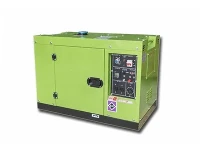
Hey there! As a supplier of silent diesel generator sets, I've seen firsthand how dust can take a toll on these machines. Dust is like that annoying guest at a party that just won't leave, and it can seriously mess with the performance and lifespan of your generator. So, let's talk about how to prevent the impact of dust on a silent diesel generator set.
Why Dust is a Big Deal
First off, why should you care about dust? Well, dust can cause all sorts of problems. It can clog air filters, which means your generator has to work harder to get the air it needs to run efficiently. This can lead to overheating and reduced power output. Dust can also get into the engine components, causing wear and tear over time. And if dust gets into the electrical parts, it can lead to short circuits and other electrical issues.
Regular Maintenance is Key
One of the most important things you can do to prevent dust from causing problems is to keep up with regular maintenance. This includes changing the air filters regularly. A clogged air filter is like trying to breathe through a straw – it just doesn't work very well. Most manufacturers recommend changing the air filter every 250 - 500 hours of operation, but it's a good idea to check it more often if you're using the generator in a dusty environment.
Another part of regular maintenance is cleaning the generator. You can use a soft brush or compressed air to blow the dust off the exterior of the generator. Make sure to get into all the nooks and crannies, especially around the cooling fins. If the cooling fins are clogged with dust, the generator won't be able to cool itself properly, which can lead to overheating.
Choose the Right Location
Where you place your silent diesel generator set can also make a big difference. Try to find a location that's as dust - free as possible. Avoid placing the generator near construction sites, dirt roads, or other areas where there's a lot of dust in the air. If you're using the generator outdoors, consider building a shelter or enclosure to protect it from dust and other elements.
Use Dust - Proof Covers
Investing in a good quality dust - proof cover is a great way to protect your generator when it's not in use. A cover can prevent dust from settling on the generator and getting into the engine and electrical components. Make sure the cover fits properly and is made of a durable, breathable material.
Install Air Intake Filters
In addition to the standard air filters, you can also install air intake filters with a higher dust - holding capacity. These filters can capture more dust and keep it from getting into the engine. Some air intake filters are designed to be washable and reusable, which can save you money in the long run.
Monitor the Generator
Keep an eye on your generator's performance. If you notice a decrease in power output, strange noises, or other signs of trouble, it could be due to dust. Check the air filters and other components to see if there's a problem. If you're not sure what's wrong, it's a good idea to call in a professional.


Our Silent Diesel Generator Sets
At our company, we offer a range of high - quality silent diesel generator sets, including the 100kw Silent Diesel Generator, the 100kVA Silent Diesel Generator, and the 20kw Silent Diesel Generator. These generators are designed to be reliable and efficient, even in dusty environments. We also provide maintenance and support services to help you keep your generator in top condition.
Contact Us for Purchase and Consultation
If you're in the market for a silent diesel generator set, or if you have any questions about preventing dust from affecting your generator, don't hesitate to get in touch. We're here to help you find the right generator for your needs and ensure that it runs smoothly for years to come. Whether you're a small business owner, a homeowner, or an industrial user, we have the solutions you need.
References
- "Diesel Generator Maintenance Guide", published by Generator Manufacturers Association.
- "Preventing Dust Damage in Electrical Equipment", an article in the Journal of Industrial Maintenance.