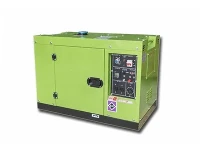
Hey there! As a supplier of 50kw diesel generators, I often get asked about the parallel operation method of these powerhouses. So, let's dive right in and explore what parallel operation is all about and how it works for a 50kw diesel generator.
What is Parallel Operation?
Parallel operation is the process of connecting two or more generators together to work in sync. This allows them to share the electrical load, increasing the overall power output and providing a more reliable power supply. When it comes to a 50kw diesel generator, parallel operation can be a game-changer, especially in situations where a higher power capacity is required.
Why Parallel Operation?
There are several reasons why you might want to consider parallel operation for your 50kw diesel generator. Firstly, it provides redundancy. If one generator fails, the others can continue to supply power, ensuring that your operations don't come to a halt. Secondly, it allows you to scale up your power capacity as your needs grow. Instead of investing in a single large generator, you can start with a few 50kw generators and add more as required. Finally, parallel operation can improve the efficiency of your power system. By distributing the load evenly across multiple generators, you can reduce fuel consumption and wear and tear on individual units.
The Parallel Operation Method
Now, let's get into the nitty-gritty of how to parallel operate a 50kw diesel generator. The process involves several steps, and it's important to follow them carefully to ensure a safe and successful connection.
Step 1: Compatibility Check
Before you start connecting your generators, you need to make sure that they are compatible. This means checking the voltage, frequency, and phase angle of each generator. All generators must have the same voltage and frequency, and their phase angles must be in sync. If the generators are not compatible, they will not be able to work together properly, and you may experience problems such as voltage fluctuations and power surges.
Step 2: Synchronization
Once you have confirmed that your generators are compatible, the next step is to synchronize them. Synchronization is the process of matching the voltage, frequency, and phase angle of the generators so that they can be connected together. This is typically done using a synchronization device, which monitors the electrical parameters of each generator and adjusts them as needed.
Step 3: Connection
After the generators have been synchronized, you can connect them together. This is usually done using a parallel switchgear, which allows you to control the flow of power between the generators. The switchgear also provides protection against overcurrent, overvoltage, and other electrical faults.
Step 4: Load Sharing
Once the generators are connected, you need to ensure that they are sharing the load evenly. This is done using a load sharing controller, which monitors the electrical load and adjusts the output of each generator accordingly. The load sharing controller ensures that each generator is operating at its optimal capacity, which helps to improve the efficiency and reliability of the power system.
Considerations for Parallel Operation
While parallel operation can provide many benefits, there are also some considerations that you need to keep in mind. Firstly, you need to ensure that your generators are properly maintained. Regular maintenance is essential to ensure that your generators are operating at their best and to prevent breakdowns. Secondly, you need to have a backup plan in case of a generator failure. This could include having a spare generator on hand or having a maintenance contract with a qualified technician. Finally, you need to comply with all relevant safety regulations and standards. Parallel operation can be dangerous if not done correctly, so it's important to follow all safety guidelines and procedures.


Other Diesel Generator Options
If you're in the market for a diesel generator, we also offer a range of other options to suit your needs. For smaller power requirements, we have 15kw Diesel Generator, which are perfect for home use or small businesses. On the other hand, if you need a higher power capacity, we have 1000kw Diesel Generator, which are ideal for large industrial applications. We also offer Doosan Diesel Generator Set, which are known for their reliability and performance.
Conclusion
Parallel operation is a great way to increase the power capacity and reliability of your 50kw diesel generator. By following the steps outlined above and keeping the considerations in mind, you can ensure a safe and successful parallel operation. If you have any questions or need further information, please don't hesitate to contact us. We're here to help you find the right diesel generator solution for your needs. Whether you're a homeowner, a small business owner, or an industrial operator, we have the expertise and products to meet your requirements. So, why wait? Get in touch with us today and let's start powering your world!
References
- "Diesel Generator Handbook" by John Brown
- "Electrical Power Systems: Analysis and Design" by J. Duncan Glover, Mulukutla S. Sarma, and Thomas J. Overbye