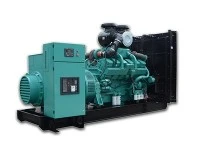
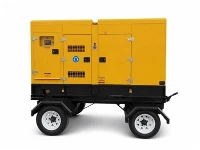
If you’ve ever stood next to a traditional generator at a construction site, a home backup setup, or a small business parking lot, you know how disruptive that constant, high-pitched roar can be. It’s impossible to hold a conversation over it, relax nearby, or even hear traffic or birdsong without it drowning everything out. That’s where silent power generators come in—and as a supplier who’s spent years working with these units, I can tell you their advantages go far beyond just keeping noise levels low. These units aren’t just a quieter alternative; they’re a smarter, more versatile choice for anyone needing reliable power without the headaches of standard generators.


Let’s start with the most obvious benefit: noise reduction. Traditional open-frame generators typically produce between 70 and 90 decibels, which is roughly as loud as a lawnmower or heavy traffic. That’s enough to violate noise ordinances in many residential areas, disturb neighbors at night, or make it hard for workers to communicate on job sites during long shifts. Silent generators, by contrast, are enclosed in sound-dampening casings that muffle engine noise, bringing levels down to 55 to 65 decibels—about as loud as a normal conversation. For a lot of our customers, that’s a game-changer. A small café in downtown Austin, for example, used to run a loud backup generator in its back alley during summer power outages, only to get complaints from nearby residents every time it kicked on. After switching to one of our units, they’ve had zero issues and can even keep outdoor patio seating running smoothly during outages, since the generator doesn’t disrupt guests or passersby. If you’re looking to upgrade, our full line of products includes options like the Silent Diesel Generators For Sale, designed to meet noise standards for residential, commercial, and industrial use.
But noise reduction is just the tip of the iceberg. The enclosed design of silent generators also helps with weather protection, which is a big deal for anyone relying on backup power. Traditional open-frame generators have exposed engines, fuel lines, and electrical components, making them vulnerable to rain, snow, dust, and even small debris kicked up by wind. That means you have to store them in a separate shed or cover them with a heavy tarp when not in use—adding extra work and limiting where you can place them. Silent generators, on the other hand, are fully enclosed with weather-sealed panels, so you can mount them on a concrete pad outside your home, business, or construction site without worrying about the elements. That not only saves you storage space but also makes the generator easier to access when you need it, especially during an emergency. For smaller setups, our 5kVA Silent Generator is a popular option for home backup, as it’s compact enough to fit in a small yard or utility closet and still offers protection from extreme weather.
Speaking of practicality, silent generators are designed for continuous use much better than open-frame units, which makes them ideal for longer projects or extended backup periods. Construction sites, for example, often need power for weeks or even months at a time, and traditional generators can overheat or wear out faster when running nonstop due to their exposed components and less efficient cooling systems. Silent generators have integrated cooling systems built into their casings, along with better engine insulation and fuel efficiency, so they can run for hours on end without overheating or consuming excess fuel. That’s a major plus for construction teams working on rural projects where grid power isn’t available, or for businesses that need backup power during multi-day power outages caused by storms. Our 20kw Silent Diesel Generator is a go-to for mid-sized construction sites, as it can power tools, lighting, and temporary offices for days without needing major maintenance or fuel refills.
Another key advantage is fuel efficiency, which adds up to real cost savings over time. The enclosed design of silent generators also allows for better air circulation around the engine, which means it burns fuel more completely than a traditional open-frame generator. Traditional generators often have to work harder to push air around their exposed engines, leading to incomplete combustion and wasted fuel. Silent generators, by contrast, are engineered to balance air flow and noise reduction, so they get more power out of every gallon of fuel. For businesses that rely on generators year-round, that efficiency can translate to hundreds or even thousands of dollars in fuel savings annually. A small retail store in Florida that I worked with recently switched to a 50kw model during hurricane season, and they reported a 20% drop in their monthly fuel costs compared to their old open-frame generator. The 50kw Silent Diesel Generator is built for higher-demand commercial needs, so it handles extended run times while keeping fuel usage low.
Safety is another often-overlooked benefit of silent generators. Traditional open-frame generators pose a number of safety risks: their exposed hot engine parts can cause burns, their open fuel tanks are more likely to leak or be accidentally punctured, and their wiring is exposed, increasing the risk of electrical shorts or fires. Silent generators, with their fully enclosed design, eliminate most of these risks. The casings are made of fire-resistant materials, hot engine parts are fully covered, and fuel lines and wiring are sealed to prevent leaks or shorts. That’s especially important if you have kids or pets around your home, or if you’re operating the generator in a crowded space, like a parking lot or event venue. It’s also why many cities and event organizers now require silent generators for outdoor gatherings, since they’re safer to use and don’t pose a risk to attendees.
I should also mention that silent generators are much easier to install and operate than most people think. A lot of my customers assume they need to hire a team of electricians and construction workers to set one up, but that’s not the case for most models. Our units come pre-wired with clear instructions, and many can be connected to your home or business’s electrical system with minimal modification. Plus, most modern silent generators have remote monitoring features, so you can check fuel levels, run time, and maintenance needs from your phone—something that’s hard to do with older, traditional generators. For smaller residential setups, our 10kW Silent Generator is easy for most homeowners to install with basic tools, though we always recommend consulting a licensed electrician if you’re connecting it to your home’s main electrical panel.
Of course, like any piece of equipment, silent generators do have a few considerations to keep in mind. They are typically more expensive upfront than traditional generators, but that cost is offset by the fuel savings, lower maintenance costs, and ability to place them closer to your home or business without violating noise rules. They also do require occasional maintenance, like any generator—changing oil, filters, and checking fuel levels—but that’s much less frequent than many people expect, especially with the high-quality models we offer.
At the end of the day, silent power generators aren’t just a “nice-to-have” for people who hate noise—they’re a practical, reliable solution for anyone needing power in places where traditional generators fall short. Whether you’re a homeowner looking for a quiet backup for storm season, a small business owner tired of neighbor complaints, or a construction manager needing a long-lasting power source for a remote site, there’s a silent generator that fits your needs. If you’re ready to explore your options, take a look at our full selection of Silent Diesel Generators For Sale to find the right size and model for your use case. We’re here to help you choose the perfect generator, answer any questions you have, and assist with the purchasing process.
References
- Noise Pollution Clearinghouse. (2022). Generator Noise Standards and Regulations. Retrieved from independent noise policy research database
- U.S. Department of Energy. (2023). Residential Backup Generator Efficiency and Cost Analysis. Retrieved from energy.gov renewable energy and efficiency archives
- Occupational Safety and Health Administration (OSHA). (2021). Generator Safety Guidelines for Commercial and Construction Sites. Retrieved from osha.gov workplace safety standards library
- Portable Power Equipment Association. (2022). Silent Generator Market Trends and Performance Data. Retrieved from industry trade group technical reports
- National Fire Protection Association (NFPA). (2023). Generator Installation and Safety Code. Retrieved from nfpa.org fire safety and electrical standards