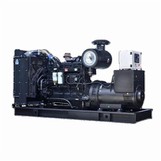
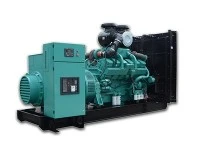
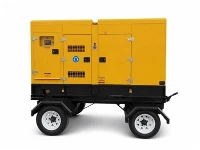
As an industrial generator supplier, I've faced my fair share of challenges when it comes to ensuring the security of our products during transportation. It's a crucial part of our business, as any damage to the generators can lead to significant losses, both financially and in terms of customer trust. In this blog, I'm going to share the strategies and measures we take to keep our products safe from the moment they leave our facility until they reach our customers.
Pre - transportation Preparation
Before we even think about loading the generators onto a truck or a ship, we start with detailed inspections. We run a thorough check on each unit to make sure it's in perfect working condition. This not only helps us catch any pre - existing issues but also serves as a baseline. If there are any damages during transit, we can easily tell whether they occurred before or after the product left our premises.
For packaging, we don't cut any corners. We use high - quality materials that offer the best protection against shocks, vibrations, and moisture. For smaller generators like the 22kVA Generator, we use custom - made wooden crates that are lined with foam. This foam acts as a cushion, absorbing any impact that might occur during transportation.
Bigger generators, such as the 200kVA Diesel Generator, require more heavy - duty packaging. We often build steel - framed enclosures around them. These enclosures are designed to be sturdy and can withstand a lot of rough handling. Additionally, we seal any openings on the generator to prevent water and dust from getting inside.
Choosing the Right Carrier
Selecting a reliable transportation carrier is a key step in ensuring product security. We don't just go with the cheapest option; instead, we look for carriers with a proven track record of safety. We check their safety ratings, how long they've been in business, and what kind of equipment they use.
We also make sure that the carriers have the appropriate insurance coverage. This is important because if something does go wrong during transit, we need to be compensated. We have a list of pre - approved carriers that we've worked with in the past and trust to handle our generators carefully.
Another factor we consider is the carrier's route planning. They need to choose the safest and most efficient routes. High - traffic areas or roads with a lot of potholes can increase the risk of damage to the generators. We ask the carriers to provide us with their route plans in advance so we can offer any suggestions or raise concerns if necessary.
Securing the Load
Once the generator is loaded onto the transport vehicle, how it's secured is of utmost importance. For trucks, we use heavy - duty straps and chains to hold the generator firmly in place. We make sure that the straps are tightened properly to prevent any movement during transit.
If the generator is being shipped overseas on a container ship, we use bracing inside the shipping container. This bracing helps to keep the generator stable and prevents it from shifting due to the movement of the ship. We also use padding between the generator and the container walls to further protect it from any impacts.
We train our loading crew to follow strict safety protocols. They know how to properly position the generator on the vehicle or in the container, and how to secure it in the best way possible.
Tracking and Monitoring
In today's digital age, we have the tools to keep a close eye on our generators during transportation. We use GPS tracking devices on each shipment. This allows us to know the exact location of the generator at all times. If there are any unexpected detours or delays, we can quickly find out and take appropriate action.
We also use sensors on some of our high - value generators, like the 100kW Diesel Generator Set. These sensors can detect vibrations, shocks, and temperature changes. If the sensors detect any abnormal readings, it could indicate that the generator has been mishandled or exposed to unfavorable conditions. We can then contact the carrier immediately and take steps to mitigate the situation.
Post - transportation Checks
When the generator arrives at its destination, we don't just drop it off and call it a day. We work with our customers to conduct a final inspection. We go over the generator with a fine - tooth comb, looking for any signs of damage.
If we find any issues, we document them thoroughly. Depending on the nature of the damage, we either repair the generator on - site or arrange for it to be sent back to our facility for more comprehensive repairs. This ensures that our customers receive a fully functional generator, and it also helps us improve our transportation processes.
Special Considerations for Different Types of Generators
Some of our generators have unique requirements. For example, the 1500 RPM Diesel Generator has specific speed and performance characteristics that need to be maintained during transportation. We take extra care to ensure that it's not exposed to any sudden stops or starts that could affect its internal components.
Marine generators, like the Marine Diesel Generator Set, are made for a harsh environment. However, during transportation, they need to be protected from additional moisture and saltwater exposure. We seal them in special waterproof covers and make sure that the shipping container is kept dry.


Conclusion
Ensuring the security of our industrial generators during transportation is a multi - step process that requires a lot of attention to detail. From pre - transportation preparation to post - transportation checks, every step plays a vital role in keeping our products safe. By following these strategies, we've been able to reduce the number of damaged generators significantly and maintain a high level of customer satisfaction.
If you're in the market for an industrial generator, we'd love to talk to you. Whether you need a small 22kVA generator or a large 200kVA diesel generator, we've got you covered. Contact us to start a procurement discussion and find the perfect generator for your needs.
References
- Industry best practices for generator transportation
- Manufacturer's guidelines for generator handling and shipping
- Past experience and case studies from our own transportation operations