Yo, folks! As a supplier of backup power generators, I get asked a ton about how long these bad boys can run continuously. It's a crucial question, especially when you're relying on a generator to keep your lights on during a power outage or to power a large - scale operation. So, let's dive right into it.
First off, there's no one - size - fits - all answer. A bunch of factors come into play when determining how long a backup power generator can run non - stop.
Fuel Capacity
One of the biggest factors is the fuel capacity of the generator. It's pretty obvious, right? The more fuel the generator can hold, the longer it can run. For example, small portable generators often have a fuel tank that can hold anywhere from 1 to 5 gallons. These little guys might run for 3 to 8 hours on a full tank, depending on the load.
On the other hand, larger industrial - grade generators can have fuel tanks that hold hundreds or even thousands of gallons. Some heavy - duty diesel generators used in large commercial buildings or mines can run for days on end if they're connected to a large fuel storage tank.
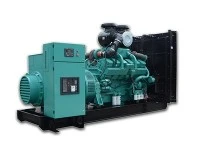
Let's take a look at one of our high - voltage diesel generators. Our 6.6kV Diesel Generator comes with different fuel tank options. A standard - sized tank can provide power for a significant period, but if you need longer continuous operation, you can opt for a larger tank or connect it to an external fuel source.
Load on the Generator
The amount of power you're drawing from the generator, or the load, also has a huge impact on its runtime. Think of it like your car. If you're driving with a heavy load or at high speeds, you'll burn through gas faster.
When a generator is running at a higher load, it has to work harder, which means it consumes more fuel. For instance, if you're only using a generator to power a few small lights (a light load), it can run for a long time on a single tank of fuel. But if you're trying to power a whole manufacturing plant, with machines running at full throttle, the generator's fuel consumption will skyrocket, and its continuous runtime will be much shorter.
Most generators are rated for a certain maximum load, and operating them near this maximum can eat up fuel quickly. It's always a good idea to size your generator properly for the load you expect to run. Our 6.6kv Diesel Genset is designed to handle different loads efficiently, but it's still important to match the load requirements to the generator's capacity to get the best runtime.
Generator Efficiency
The efficiency of the generator itself plays a major role. Modern generators are more efficient than ever before, thanks to advancements in technology. An efficient generator can produce more power with less fuel, which means it can run longer on a given amount of fuel.
Engine design, alternator efficiency, and the type of control systems used all contribute to a generator's overall efficiency. For example, generators with advanced fuel injection systems can deliver fuel more precisely, resulting in better combustion and lower fuel consumption.
Our 6.6kV Electric Power Generator is built with the latest technology to maximize efficiency. This not only helps it run longer but also saves you money on fuel costs in the long run.
Cooling and Maintenance
Proper cooling is essential for continuous operation. Generators generate a lot of heat when they're running, and if they get too hot, they can break down. That's why most generators have cooling systems, such as radiators or water - cooled systems.
Regular maintenance is also crucial. A well - maintained generator will run more efficiently and have a longer continuous runtime. This includes things like changing the oil, replacing air filters, and checking the spark plugs (for gasoline generators).
If a generator isn't maintained properly, it might overheat or experience other mechanical problems, which can shorten its runtime and even cause permanent damage.
Types of Generators and Their Runtimes
Gasoline Generators
These are commonly used for small - scale applications, like powering a few appliances during a short - term power outage. Gasoline generators usually have smaller fuel tanks and are less fuel - efficient compared to diesel generators.
A typical small gasoline generator with a 2 - gallon fuel tank might run for 4 to 6 hours at a 50% load. Larger gasoline generators can run longer, but they're still generally limited to shorter continuous runtimes compared to diesel generators.
Diesel Generators
Diesel generators are a popular choice for larger commercial and industrial applications. They're more fuel - efficient than gasoline generators and can handle heavier loads.
For instance, our Mining Diesel Generator is specifically designed for tough mining environments. These generators can run continuously for days if they have a proper fuel supply and are well - maintained.
Propane Generators
Propane generators are another option. Propane is a clean - burning fuel, and propane generators are relatively easy to operate. They tend to have a slightly lower power output compared to diesel and gasoline generators of the same size.


The runtime of a propane generator depends on the size of the propane tank. Smaller propane tanks might only allow for a few hours of operation, while larger tanks can provide power for a longer time.
Battery - Powered Generators
Battery - powered generators are becoming more popular, especially for small - scale and off - grid applications. These generators store energy in batteries and then convert it into electricity when needed.
The runtime of a battery - powered generator depends on the capacity of the batteries. Smaller battery - powered generators might only run for an hour or two, while larger systems can provide power for several hours or even days, depending on the load.
Real - World Examples
Let's say you're using a generator to power a construction site. You've got a 11kv Diesel Generator connected to a 500 - gallon fuel tank. If the construction equipment on the site is running at a moderate load, the generator could run continuously for 24 to 36 hours before needing a refill.
On the other hand, if you're using a small portable gasoline generator to power a few lights and a TV during a power outage at home, and the generator has a 1.5 - gallon fuel tank, it might run for 5 to 7 hours at a low load.
Planning for Continuous Operation
If you need a generator to run continuously for an extended period, here's what you should do:
- Size the Generator Properly: Make sure the generator can handle the maximum load you expect to run without being overloaded.
- Choose the Right Fuel Source: Consider diesel for long - term, heavy - duty use, or propane if you want a cleaner - burning option.
- Set Up a Fuel Storage System: For longer runtimes, you'll need a large fuel storage tank or a way to refill the generator's fuel tank automatically.
- Maintain the Generator Regularly: Follow the manufacturer's maintenance schedule to keep the generator running smoothly.
So, there you have it, folks! The continuous runtime of a backup power generator depends on fuel capacity, load, efficiency, cooling, and maintenance. If you're in the market for a backup power generator and need help figuring out how long it needs to run for your specific application, don't hesitate to reach out. We're here to assist you in choosing the right generator and ensuring it meets your power needs. Whether you're looking for a small portable generator or a large industrial - grade unit, we've got you covered. Let's start a conversation about your power requirements and find the perfect solution for you.
References
- Generator Manufacturer's Manuals
- Industry Reports on Generator Performance
- Technical Papers on Power Generation Efficiency