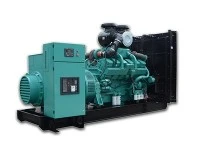
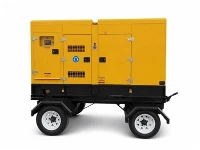
As a trusted diesel generator supplier, one of the most common questions I receive from customers is, "How long can diesel fuel be stored for a diesel generator?" This is a crucial question, as the quality of stored diesel directly impacts the performance and longevity of your generator. In this blog post, I'll delve into the factors influencing diesel fuel storage duration, share best practices for maintaining fuel quality, and provide insights to help you make informed decisions for your diesel generator.
Factors Affecting Diesel Fuel Storage Duration
Several factors play a significant role in determining how long diesel fuel can be stored before it begins to degrade. Understanding these factors is essential for ensuring that your stored fuel remains in good condition and your generator operates smoothly when needed.
Oxidation
Diesel fuel is susceptible to oxidation, a chemical reaction that occurs when the fuel comes into contact with oxygen. Oxidation can lead to the formation of gums, varnishes, and sediment, which can clog fuel filters, injectors, and other engine components. The rate of oxidation is influenced by several factors, including temperature, fuel quality, and storage conditions. Higher temperatures accelerate oxidation, so storing diesel fuel in a cool, dry place is crucial for minimizing this process.
Microbial Growth
Microbes, such as bacteria and fungi, can thrive in diesel fuel, especially if the fuel is contaminated with water. Microbial growth can cause a variety of problems, including the formation of biofilms, which can clog filters and injectors, and the production of acids, which can corrode fuel system components. To prevent microbial growth, it's important to keep the fuel tank clean and dry and to use a fuel biocide if necessary.
Water Contamination
Water can enter the fuel tank through condensation, leaks, or improper storage. Water in the fuel can cause corrosion, microbial growth, and fuel system icing in cold weather. To prevent water contamination, it's important to use a fuel tank with a proper venting system and to regularly check for leaks. Additionally, using a fuel water separator can help remove any water that may have entered the fuel system.

Fuel Quality
The quality of the diesel fuel you purchase can also affect its storage duration. High-quality diesel fuel contains fewer contaminants and additives, which can make it more resistant to oxidation and microbial growth. When purchasing diesel fuel, look for fuel that meets the relevant industry standards, such as ASTM D975.
Typical Storage Durations
Under ideal storage conditions, diesel fuel can typically be stored for up to six to twelve months without significant degradation. However, this can vary depending on the factors mentioned above. In some cases, with proper storage and maintenance, diesel fuel can be stored for up to two years or more.
If the fuel is stored in a hot and humid environment, or if it is exposed to air and water, the storage duration may be significantly reduced. In these cases, the fuel may start to degrade within a few months, leading to problems with the generator's performance.
Best Practices for Diesel Fuel Storage
To maximize the storage duration of diesel fuel and ensure its quality, it's important to follow these best practices:
Choose the Right Storage Container
Use a clean, approved storage container made of materials that are resistant to corrosion, such as steel or high-density polyethylene. The container should have a tight-fitting lid to prevent air and water from entering.
Store in a Cool, Dry Place
Keep the fuel storage container in a cool, dry place away from direct sunlight and heat sources. High temperatures can accelerate oxidation and microbial growth, so storing the fuel in a shaded area or indoors is recommended.
Keep the Tank Full
A full fuel tank minimizes the amount of air in the tank, reducing the risk of oxidation. If the tank is not full, the air space can allow moisture to condense, leading to water contamination.
Use a Fuel Additive
Fuel additives can help prevent oxidation, microbial growth, and water contamination. Look for additives that are specifically designed for diesel fuel and follow the manufacturer's instructions for use.
Regularly Inspect and Maintain the Fuel
Periodically check the fuel for signs of degradation, such as discoloration, sediment, or a foul odor. If you notice any issues, it's important to take action immediately to prevent further damage to the fuel and the generator. Additionally, follow the manufacturer's recommendations for fuel filter replacement and other maintenance tasks.
Impact of Stored Diesel on Generator Performance
Using degraded diesel fuel can have several negative impacts on the performance of your diesel generator. Here are some of the common issues:
Reduced Power Output
Degraded fuel may not burn as efficiently as fresh fuel, leading to a reduction in power output. This can be a significant problem if you rely on your generator for critical applications, such as backup power for a hospital or data center.
Increased Emissions
Poor-quality fuel can also lead to increased emissions of pollutants, such as particulate matter, nitrogen oxides, and carbon monoxide. This not only has environmental implications but can also affect the generator's compliance with emissions regulations.
Engine Damage
Contaminants in degraded fuel, such as sediment and acid, can cause wear and tear on engine components, leading to premature failure. This can result in costly repairs and downtime for your generator.
Our Diesel Generator Offerings
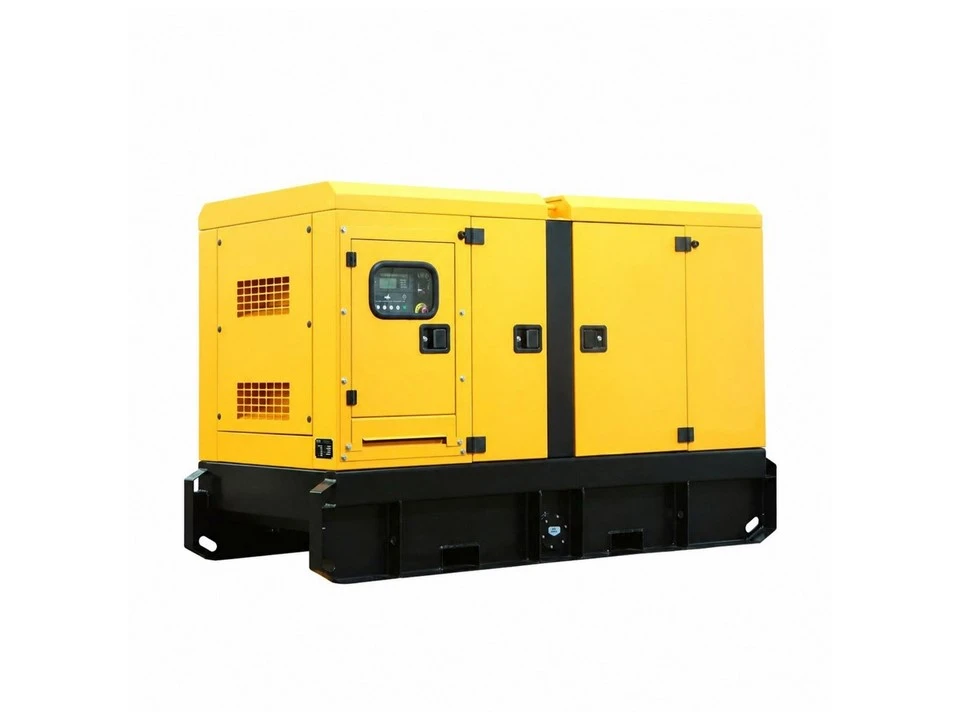
At our company, we offer a wide range of diesel generators to meet the diverse needs of our customers. Whether you need a small portable generator for outdoor activities or a large industrial generator for continuous power supply, we have the perfect solution for you.
Some of our popular products include the Canopy Diesel Generator, 5kVA Silent Generator, 2kW Silent Generator, Soundproof Diesel Generator, and Most Silent Generator. Our generators are designed to be reliable, efficient, and quiet, making them ideal for both residential and commercial use.
Conclusion
In conclusion, the storage duration of diesel fuel for a diesel generator depends on several factors, including oxidation, microbial growth, water contamination, and fuel quality. By understanding these factors and following best practices for fuel storage and maintenance, you can ensure that your stored diesel fuel remains in good condition and your generator operates smoothly when needed.
If you have any questions about diesel fuel storage or our diesel generator products, please don't hesitate to contact us. Our team of experts is always ready to assist you with your power generation needs and help you make the right choice for your application.
References
- ASTM International. (2023). Standard Specification for Diesel Fuel Oils. ASTM D975.
- Diesel Technology Forum. (2023). Diesel Fuel Basics.
- U.S. Environmental Protection Agency. (2023). Control of Emissions from Non-Road Diesel Engines and Vehicles.