

Yo, anyone in the market for a high voltage diesel generator? You're in the right spot ’cause I'm straight from a High Voltage Diesel Generator supplier. Improving the power factor of a high voltage diesel generator is no joke, but it's super doable. In this blog, I'll break down how to boost that power factor and make your generator work like a champ.
Let's first get the lowdown on what power factor is. In simple terms, it's a measure of how effectively electrical power is being used. A high power factor means that most of the power from the generator is being used for useful work, while a low power factor shows that a good chunk of the power is being wasted. This wasted power not only costs you more money but also puts extra strain on your generator.
One of the main reasons for a low power factor in high voltage diesel generators is the presence of inductive loads. Think of things like motors, transformers, and fluorescent lights. These loads create a phase difference between the voltage and current, which results in a lower power factor. To fix this, we can use power factor correction equipment.

One popular method is to install capacitor banks. Capacitors work by offsetting the reactive power produced by inductive loads. By adding the right amount of capacitance to the electrical system, we can bring the phase difference between voltage and current closer to zero, thus increasing the power factor. It's like adding the missing piece to a puzzle to make the whole system work better.
When installing capacitor banks, it's crucial to calculate the right amount of capacitance needed. Too little, and you won't see a significant improvement in the power factor. Too much, and you could cause over - correction, which can also lead to problems. You can use power factor meters and other electrical testing equipment to measure the existing power factor and then determine the appropriate capacitor size.
Another thing we can do is to optimize the loading of the generator. Running a high voltage diesel generator at a very low load for extended periods can lead to a poor power factor. Diesel generators are designed to operate most efficiently at a certain load range. Operating within this range helps maintain a higher power factor. For example, if you have a generator that's rated for 1000 kVA, running it at around 70 - 80% of its rated capacity is usually ideal.
Regular maintenance is also key to improving the power factor. A well - maintained generator operates more efficiently. We should check the electrical connections regularly to ensure there's no loose wiring. Loose connections can cause voltage drops and increase the amount of reactive power in the system. Cleaning the generator's components, such as the windings and brushes, can also help. Dirt and debris can insulate the components and reduce their efficiency, which in turn can affect the power factor.
Now, let's talk about the benefits of improving the power factor. First off, it saves you money. With a higher power factor, you're using less electricity to do the same amount of work. This means lower energy bills, which is always a plus. It also reduces the stress on the generator, which can extend its lifespan. A generator that's running more efficiently is less likely to break down, saving you on repair and replacement costs.
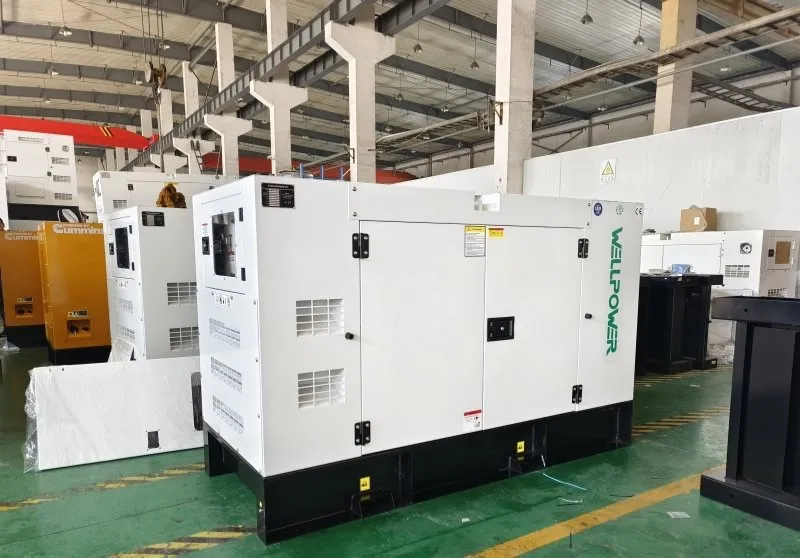
If you're in the market for a high voltage diesel generator, we've got some great options. Check out our 11kv Diesel Generator, 6.6kV Electric Power Generator, 6.6kv Diesel Genset, High Voltage Diesel Generator 6.6kV, and 6.6kV Diesel Generator. These generators are built to perform and can be optimized for a high power factor.
In conclusion, improving the power factor of a high voltage diesel generator involves using power factor correction equipment like capacitor banks, optimizing the generator's loading, and keeping up with regular maintenance. It might take a bit of effort, but the benefits are definitely worth it. If you're interested in improving your generator's power factor or want to purchase a high - quality high voltage diesel generator, don't hesitate to reach out for a chat. We're here to help you get the most out of your generator.
References
- "Electrical Power Systems Quality" by Roger C. Dugan, Mark F. McGranaghan, Surya Santoso, and H. Wayne Beaty.
- "Power System Analysis and Design" by J. Duncan Glover, Mulukutla S. Sarma, and Thomas J. Overbye.


