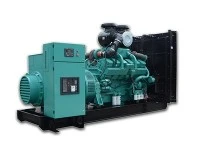
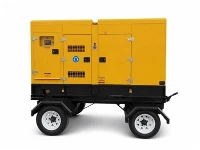
Installing a small diesel generator set can seem like a daunting task, but with the right guidance, it can be a straightforward process. As a supplier of Small Diesel Generator Set, I've had the opportunity to assist numerous clients in installing and setting up their generator sets. In this blog post, I'll share a step-by-step guide on how to install a small diesel generator set safely and effectively.
Step 1: Choose the Right Location
The first step in installing a small diesel generator set is selecting an appropriate location. The location should meet the following criteria:
- Ventilation: Diesel generators produce exhaust gases that contain harmful pollutants such as carbon monoxide. Therefore, the location must have adequate ventilation to disperse these gases. Avoid installing the generator in enclosed spaces, basements, or areas with poor air circulation. A well-ventilated outdoor area is ideal.
- Level Surface: The generator should be placed on a flat, stable surface to prevent vibrations and ensure proper operation. Uneven surfaces can cause the generator to shake, which may damage internal components over time.
- Accessibility: Choose a location that allows easy access to the generator for maintenance, refueling, and starting. There should be enough space around the generator to perform these tasks safely.
- Distance from Buildings and Combustibles: Keep the generator at least 5 feet away from buildings, doors, windows, and any combustible materials. This distance helps prevent the accumulation of exhaust gases near the building and reduces the risk of fire.
Step 2: Prepare the Installation Area
Once you've selected the location, it's time to prepare the installation area:
- Clean the Surface: Remove any debris, dirt, or rocks from the surface where the generator will be placed. A clean surface ensures a stable foundation for the generator.
- Install a Vibration Dampening Pad: To reduce vibrations and noise, place a vibration dampening pad under the generator. These pads are typically made of rubber or other shock-absorbing materials and can be purchased at most hardware stores.
- Mark the Mounting Holes: If the generator comes with mounting holes, use a marker to mark the positions of the holes on the surface. This will help you align the generator correctly during installation.
Step 3: Unpack and Inspect the Generator
Before installing the generator, unpack it and inspect it for any damage that may have occurred during shipping:


- Check for Physical Damage: Look for any dents, scratches, or cracks on the generator's exterior. Pay special attention to the fuel tank, engine, and electrical components.
- Verify the Contents: Make sure all the components and accessories listed in the user manual are included in the package. This may include the generator, fuel tank, oil, coolant, battery, and electrical cables.
- Inspect the Engine: Check the engine oil level, coolant level, and battery terminals. If the oil or coolant levels are low, top them up according to the manufacturer's recommendations.
Step 4: Mount the Generator
If your small diesel generator set requires mounting, follow these steps:
- Align the Generator: Place the generator on the prepared surface and align it with the marked mounting holes. Make sure the generator is level and square.
- Insert the Mounting Bolts: Insert the mounting bolts through the holes in the generator and into the surface. Use a wrench or socket set to tighten the bolts securely. Do not overtighten the bolts, as this may damage the generator or the mounting surface.
- Connect the Grounding Wire: Connect the grounding wire from the generator to a suitable grounding point. This helps protect the generator and the electrical system from electrical surges and lightning strikes.
Step 5: Connect the Fuel System
The next step is to connect the fuel system to the generator:
- Check the Fuel Tank: Make sure the fuel tank is clean and free of debris. If necessary, clean the fuel tank before filling it with diesel fuel.
- Connect the Fuel Lines: Connect the fuel lines from the fuel tank to the generator's fuel inlet and return ports. Use the appropriate fittings and ensure the connections are tight to prevent fuel leaks.
- Prime the Fuel System: If the generator has a manual fuel primer, use it to prime the fuel system. This helps remove any air from the fuel lines and ensures a smooth start.
Step 6: Connect the Electrical System
Connecting the electrical system is a critical step in the installation process:
- Understand the Electrical Requirements: Before making any connections, familiarize yourself with the generator's electrical specifications, including the voltage, frequency, and amperage. Make sure the electrical load you intend to connect to the generator does not exceed its rated capacity.
- Connect the Electrical Cables: Use the appropriate electrical cables to connect the generator to your electrical system. If you're connecting the generator to a transfer switch, follow the manufacturer's instructions carefully to ensure a safe and proper connection.
- Test the Electrical Connections: Once the connections are made, turn on the generator and check the electrical output. Use a multimeter to measure the voltage and ensure it is within the acceptable range.
Step 7: Perform a Test Run
Before putting the generator into regular use, perform a test run to ensure everything is working properly:
- Start the Generator: Follow the manufacturer's instructions to start the generator. Allow the generator to warm up for a few minutes before connecting any electrical loads.
- Check for Leaks and Abnormal Noises: While the generator is running, check for any fuel, oil, or coolant leaks. Listen for any abnormal noises or vibrations, which may indicate a problem with the generator.
- Test the Electrical Load: Gradually connect electrical loads to the generator and monitor the performance. Make sure the generator can handle the load without overheating or shutting down.
Step 8: Maintenance and Safety
Proper maintenance and safety practices are essential for the long-term performance and reliability of your small diesel generator set:
- Follow the Maintenance Schedule: Refer to the user manual for the recommended maintenance schedule. This may include tasks such as changing the oil, filters, and spark plugs, as well as checking the battery and electrical connections regularly.
- Store Fuel Properly: Diesel fuel should be stored in a cool, dry place in approved fuel containers. Keep the fuel away from heat, flames, and ignition sources.
- Use Safety Equipment: When operating the generator, wear appropriate safety equipment such as safety glasses, gloves, and ear protection. Follow all safety precautions outlined in the user manual.
Conclusion
Installing a small diesel generator set can be a rewarding experience that provides you with reliable backup power during emergencies or off-grid situations. By following the steps outlined in this guide, you can ensure a safe and successful installation. If you have any questions or need further assistance, feel free to contact us. We're here to help you choose the right Small Diesel Generator Set for your needs and provide support throughout the installation process. Whether you're looking for a 5kw Diesel Generator Set for your home or a Diesel Generator For Camping, we have a wide range of options to meet your requirements. Consider 5kW Portable Diesel Generator or Mobile Diesel Generator for more flexibility. Contact us today to discuss your power needs and start the procurement process.
References
- Manufacturer's user manuals for small diesel generator sets
- Electrical safety codes and standards
- Diesel fuel handling and storage guidelines