Managing the operation of a nursing home emergency generator is a critical aspect of ensuring the well - being of residents and the smooth functioning of the facility. As an emergency generator supplier, I have witnessed firsthand the importance of proper generator management in nursing homes. In this blog, I will share some key strategies for effectively managing a nursing home emergency generator.
1. Pre - Installation Planning
Before installing an emergency generator in a nursing home, it is essential to conduct a thorough assessment of the facility's power needs. Nursing homes have unique electrical requirements, including powering medical equipment, lighting, heating, and cooling systems. A professional electrical engineer should be consulted to determine the appropriate generator size.
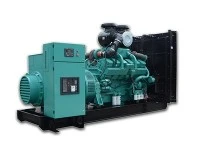
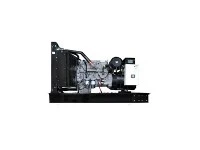
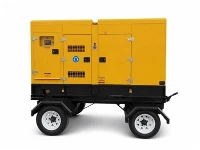
We offer a variety of generators suitable for nursing homes, such as the 300kw Diesel Generator, which can handle high - power demands, and the 150kw Diesel Generator, which is a more moderate - sized option.
The location of the generator is also crucial. It should be placed in a well - ventilated area, away from the main building to prevent the risk of carbon monoxide poisoning. At the same time, it needs to be close enough to the electrical system to minimize power loss during transmission.
2. Regular Maintenance
Regular maintenance is the cornerstone of generator management. A strict maintenance schedule should be established and followed religiously. This includes daily, weekly, monthly, and annual checks.
Daily Checks
- Fuel Level: Ensure that the generator has an adequate fuel supply. In a nursing home, it is advisable to have enough fuel to run the generator for at least 72 hours continuously.
- Visual Inspection: Check for any visible signs of damage, such as leaks, loose connections, or worn - out parts.
Weekly Checks
- Battery Test: Test the generator's battery to ensure it is holding a charge. Weak batteries can prevent the generator from starting during an emergency.
- Oil Level: Check the oil level and top it up if necessary. Low oil levels can cause engine damage.
Monthly Checks
- Run the Generator: Start the generator and let it run for at least 30 minutes. This helps to keep the engine components lubricated and ensures that the generator is in working condition.
- Inspect Electrical Connections: Check all electrical connections for tightness and signs of corrosion.
Annual Checks
- Full Service: Have a professional technician perform a comprehensive service of the generator, which includes changing the oil, filters, and spark plugs (if applicable).
- Load Bank Testing: Conduct load bank testing to simulate a real - world power outage and ensure that the generator can handle the nursing home's electrical load.
3. Emergency Response Plan
A well - defined emergency response plan is essential for generator management in a nursing home. The plan should include the following elements:
Staff Training
All relevant staff members should be trained on how to start and operate the generator in case of an emergency. They should also be familiar with the emergency shutdown procedures.
Communication
Establish a clear communication protocol. In the event of a power outage, staff should know how to alert residents, family members, and emergency services. The generator should be started as quickly as possible to minimize disruptions.
Monitoring
Set up a system to monitor the generator's performance during a power outage. This can include remote monitoring devices that allow staff to check the generator's status from anywhere in the facility.
4. Fuel Management
Proper fuel management is crucial for the reliable operation of a nursing home emergency generator.


Fuel Storage
Store fuel in a safe and secure location. The storage area should be well - ventilated and away from sources of ignition. It is important to comply with all local fire and safety regulations regarding fuel storage.
Fuel Quality
Use high - quality fuel to prevent engine problems. Regularly test the fuel for contaminants and water. If necessary, use fuel additives to improve fuel quality.
Fuel Delivery
Establish a relationship with a reliable fuel supplier. Have a contingency plan in case of a fuel shortage, such as arranging for emergency fuel delivery.
5. Upgrades and Replacements
As technology advances, it is important to consider upgrading or replacing the nursing home's emergency generator. Newer generators are often more efficient, reliable, and environmentally friendly.
For example, if the current generator is struggling to meet the nursing home's power demands, upgrading to a larger - capacity generator, like the 300kw Diesel Generator, may be necessary.
Regularly evaluate the performance of the generator and consult with a professional to determine if an upgrade or replacement is needed.
6. Consideration of Different Types of Generators for Specific Needs
In addition to the larger - capacity generators mentioned above, there are other types of generators that can be useful in a nursing home setting.
The Generator For 1.5 Ton AC can be used to specifically power air - conditioning units. This is important in a nursing home, as maintaining a comfortable temperature is essential for the health and well - being of residents, especially during hot summers.
The 9kVA Diesel Generator and 50kw Diesel Generator are also options that can be considered depending on the specific power requirements of different areas within the nursing home, such as powering small medical equipment or a specific wing of the facility.
Conclusion
Managing the operation of a nursing home emergency generator is a complex but essential task. By following the strategies outlined in this blog, including pre - installation planning, regular maintenance, having a solid emergency response plan, proper fuel management, and considering upgrades and replacements, nursing homes can ensure the reliable operation of their generators.
As an experienced emergency generator supplier, we are committed to providing high - quality generators and comprehensive support services. If you are in charge of a nursing home and are interested in learning more about our products or need assistance with generator management, please feel free to contact us for procurement and further discussions.
References
- "Electrical Systems for Healthcare Facilities", National Fire Protection Association (NFPA)
- "Generator Maintenance Best Practices", Institute of Electrical and Electronics Engineers (IEEE)
- "Fuel Storage and Handling Guidelines", Occupational Safety and Health Administration (OSHA)