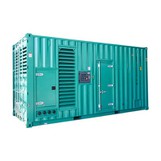
Yo, folks! As a supplier of Prime Power Diesel Generators, I get a bunch of questions about emissions standards. It's super important, not just for the environment but also for making sure these generators can operate legally and efficiently. So, let's dig into what those emissions standards are all about.
Why Emissions Standards Matter
First off, why do we even have emissions standards? Well, diesel generators emit a whole bunch of pollutants when they burn fuel. Things like nitrogen oxides (NOx), particulate matter (PM), carbon monoxide (CO), and hydrocarbons (HC) are released into the air. These pollutants can have some serious negative impacts on the environment and human health.
NOx can contribute to the formation of smog and acid rain. PM, especially the really fine particles, can get deep into our lungs and cause respiratory problems. CO is a colorless, odorless gas that can be deadly in high concentrations. And HC can react with sunlight to form ground - level ozone, which is also bad for our health and the environment. That's why governments around the world have set up emissions standards to limit how much of these pollutants generators can emit.
Global Emissions Standards
There are different emissions standards in different parts of the world. Let's take a look at some of the major ones.
United States - EPA Standards
The Environmental Protection Agency (EPA) in the United States has some pretty strict emissions standards for diesel generators. They have different tiers of standards depending on the size and type of the generator.


For small generators (less than 50 hp), the EPA has set limits on CO, HC, and NOx emissions. As the generator size increases, the standards get more complex. Larger prime power diesel generators have to meet even stricter NOx and PM limits. These standards are designed to gradually reduce emissions over time. For instance, if you're looking at a Dianbida 100KW Diesel Generator, it needs to comply with the relevant EPA standards to be sold and used in the US.
European Union - EU Stage Standards
The EU also has its own set of emissions standards for diesel engines, including those used in prime power generators. These standards are known as the EU Stage regulations. Similar to the EPA standards in the US, the EU Stage standards have different levels for different engine power categories.
The standards are focused on reducing emissions of NOx, PM, CO, and HC. As the generator moves up to higher EU Stage levels, the emissions limits become more stringent. This encourages manufacturers to develop more environmentally friendly generator technologies. If you're thinking about using a generator in Europe, like our 1500kW Industrial Diesel Generator, it must meet the appropriate EU Stage requirements.
Other Countries
Many other countries also have their own emissions standards. Some developing countries are adopting more lenient standards initially, but they often aim to align with international best practices over time. For example, they might gradually adopt standards similar to those of the EPA or the EU. In countries where there are large construction projects, the emissions standards for construction - related equipment, such as Construction Diesel Generator, are becoming increasingly important.
Meeting Emissions Standards
So, how do we as a generator supplier make sure our prime power diesel generators meet these emissions standards?
Engine Design
One of the key factors is the engine design. Modern diesel engines are designed to burn fuel more efficiently, which reduces the amount of pollutants produced. For example, advanced fuel injection systems can precisely control the amount of fuel injected into the engine cylinders, ensuring a more complete combustion process. This helps to reduce emissions of HC and CO.
Engine manufacturers also use technologies like exhaust gas recirculation (EGR) to reduce NOx emissions. EGR works by recirculating a portion of the exhaust gases back into the engine cylinders. This lowers the combustion temperature, which in turn reduces the formation of NOx.
After - Treatment Systems
In addition to engine design, after - treatment systems are also crucial for meeting emissions standards. These systems are installed in the exhaust line of the generator to remove pollutants from the exhaust gases.
One common after - treatment system is the diesel particulate filter (DPF). A DPF traps PM from the exhaust gases, preventing them from being released into the atmosphere. Another important system is the selective catalytic reduction (SCR) system. SCR uses a catalyst and a reducing agent (usually urea) to convert NOx into nitrogen and water vapor.
The Impact on Generator Performance and Cost
Meeting emissions standards can have an impact on the performance and cost of prime power diesel generators.
Performance
Some of the technologies used to meet emissions standards can have a minor impact on generator performance. For example, EGR can slightly reduce the engine's power output and efficiency. However, modern engine manufacturers have been working hard to minimize these effects. They use advanced control systems to optimize the operation of the engine and after - treatment systems, ensuring that the generator still provides reliable power while meeting emissions requirements.
Cost
Meeting emissions standards also adds to the cost of the generator. The development and installation of advanced engine technologies and after - treatment systems require additional investment. This cost is then passed on to the customers to some extent. But on the other hand, as more and more generators are produced to meet these standards, the economies of scale are starting to kick in, which helps to keep the cost increase in check.
Conclusion and Call to Action
In conclusion, emissions standards for prime power diesel generators are an important part of the industry. They help to protect the environment and human health, and they also drive the development of more advanced and efficient generator technologies.
If you're in the market for a prime power diesel generator, it's crucial to make sure that the generator you choose meets the relevant emissions standards in your area. As a supplier, we're dedicated to providing high - quality generators that not only meet these standards but also offer reliable performance.
If you have any questions about our generators, their emissions compliance, or if you're interested in purchasing a generator, feel free to reach out to us. We're here to assist you with all your generator needs and help you make the right choice for your power requirements.
References
- Environmental Protection Agency (EPA) official documents on diesel generator emissions standards.
- European Union regulations on diesel engine emissions (EU Stage standards).
- Technical literature from diesel engine and generator manufacturers.