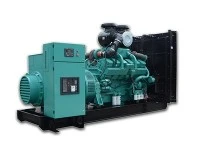
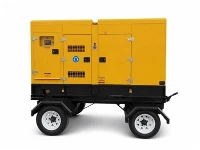
As a supplier of low noise diesel generators, I often get asked about the battery types used in these machines. It's a crucial aspect that many customers overlook, but it plays a significant role in the overall performance and reliability of the generator. In this blog post, I'll share some insights into the battery types commonly used in low noise diesel generators and why they matter.
Understanding the Role of Batteries in Diesel Generators
Before we dive into the different battery types, let's first understand what batteries do in a diesel generator. The battery is responsible for providing the initial electrical power needed to start the generator's engine. Once the engine is running, the generator's alternator takes over and provides electrical power to the battery to keep it charged.
In a low noise diesel generator, the battery also plays a role in powering the control panel and other electrical components. This is especially important in modern generators that come with advanced features like automatic start/stop, remote monitoring, and load management.
Common Battery Types Used in Low Noise Diesel Generators
There are several types of batteries that can be used in low noise diesel generators, but the most common ones are lead-acid batteries and lithium-ion batteries. Let's take a closer look at each type.


Lead-Acid Batteries
Lead-acid batteries are the most traditional type of battery used in diesel generators. They are reliable, affordable, and widely available. There are two main types of lead-acid batteries: flooded lead-acid (FLA) batteries and valve-regulated lead-acid (VRLA) batteries.
- Flooded Lead-Acid (FLA) Batteries: These batteries are the oldest and most common type of lead-acid battery. They consist of a series of cells filled with a mixture of sulfuric acid and water. FLA batteries require regular maintenance, including checking the electrolyte levels and adding distilled water as needed. They are also prone to spilling and require proper ventilation to prevent the buildup of hydrogen gas.
- Valve-Regulated Lead-Acid (VRLA) Batteries: VRLA batteries are a more advanced type of lead-acid battery that is sealed and maintenance-free. They use a gel or absorbed glass mat (AGM) to hold the electrolyte, which eliminates the need for regular maintenance and reduces the risk of spills. VRLA batteries are also more resistant to vibration and shock, making them ideal for use in mobile generators.
Lithium-Ion Batteries
Lithium-ion batteries are a relatively new type of battery that is becoming increasingly popular in low noise diesel generators. They offer several advantages over lead-acid batteries, including higher energy density, longer lifespan, and faster charging times.
- Higher Energy Density: Lithium-ion batteries can store more energy in a smaller and lighter package than lead-acid batteries. This makes them ideal for use in portable generators where weight and size are important factors.
- Longer Lifespan: Lithium-ion batteries have a longer lifespan than lead-acid batteries, typically lasting up to 10 years or more. This reduces the need for frequent battery replacements, which can save you money in the long run.
- Faster Charging Times: Lithium-ion batteries can be charged much faster than lead-acid batteries, typically taking only a few hours to fully charge. This makes them ideal for use in applications where quick charging is required.
Choosing the Right Battery for Your Low Noise Diesel Generator
When choosing a battery for your low noise diesel generator, there are several factors to consider, including the generator's power requirements, the operating environment, and your budget. Here are some tips to help you choose the right battery:
- Consider the Generator's Power Requirements: The battery you choose should be able to provide enough power to start the generator's engine and power the control panel and other electrical components. Make sure to check the generator's specifications to determine the required battery voltage and capacity.
- Evaluate the Operating Environment: If you plan to use the generator in a harsh environment, such as extreme temperatures or high humidity, you may need to choose a battery that is designed to withstand these conditions. For example, lithium-ion batteries are more resistant to extreme temperatures than lead-acid batteries.
- Set a Budget: Batteries can vary in price depending on the type and capacity. Set a budget before you start shopping and look for a battery that offers the best value for your money.
Our Low Noise Diesel Generator Offerings
At our company, we offer a range of low noise diesel generators that are designed to meet the needs of different customers. Whether you need a Mobile Silent Diesel Generator for outdoor events or a Quiet Diesel Generator for residential use, we have the right solution for you.
Our 200kw Silent Diesel Generator is a popular choice for commercial and industrial applications. It is equipped with a high-quality battery that provides reliable starting power and long-lasting performance.
Contact Us for More Information
If you have any questions about the battery types used in our low noise diesel generators or would like to learn more about our products, please don't hesitate to contact us. Our team of experts is always ready to help you find the right generator for your needs and answer any questions you may have.
References
- Battery University. (n.d.). Lead-Acid Batteries. Retrieved from https://batteryuniversity.com/learn/article/lead_acid_batteries
- Battery University. (n.d.). Lithium-Ion Batteries. Retrieved from https://batteryuniversity.com/learn/article/lithium_ion_batteries