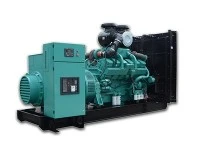
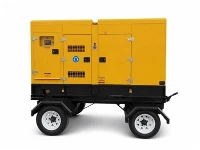
Silent generator sets are essential power solutions, especially in environments where noise levels need to be kept to a minimum. As a supplier of high - quality silent generator sets, I often encounter questions about how these generators are cooled. In this article, I will delve into the cooling methods of silent generator sets, exploring their principles, advantages, and disadvantages.
Air - Cooling Method
The air - cooling method is one of the most commonly used cooling techniques for silent generator sets, especially for smaller models such as the 3kW Generator Silent.
Principle
The basic principle of air - cooling involves using a fan to blow air over the hot components of the generator set. The generator set is equipped with cooling fins on the engine block and other heat - generating parts. These fins increase the surface area of the components, allowing for more efficient heat transfer to the surrounding air. As the fan forces air through the fins, heat is carried away from the generator, preventing it from overheating.
Advantages
- Simple Design: Air - cooled silent generator sets have a relatively simple design. There are no complex coolant systems, such as radiators and water pumps, which reduces the number of potential failure points. This simplicity also makes the generator sets easier to maintain.
- Cost - Effective: Since there are fewer components involved, air - cooled generator sets are generally more cost - effective to manufacture and purchase. They are a great option for budget - conscious customers who still need a reliable source of power.
- Portability: Without the need for a large radiator and coolant reservoir, air - cooled generator sets are often lighter and more portable. This makes them ideal for applications such as camping, outdoor events, or construction sites where mobility is important.
Disadvantages
- Limited Cooling Capacity: Air - cooling has limitations when it comes to cooling large - scale generator sets. The cooling efficiency of air is relatively low compared to liquid cooling, so air - cooled generators are typically used for smaller power outputs.
- Temperature Sensitivity: Air - cooled generator sets are more sensitive to ambient temperatures. In hot environments, the cooling capacity of the air is reduced, which can lead to overheating and potentially damage the generator.
Liquid - Cooling Method
Liquid - cooling is commonly used in larger silent generator sets, such as the 100kw Silent Diesel Generator.
Principle
The liquid - cooling system consists of a radiator, a water pump, and coolant (usually a mixture of water and antifreeze). The water pump circulates the coolant through the engine block, where it absorbs heat from the engine. The heated coolant then flows to the radiator, where a fan blows air over the radiator fins to dissipate the heat. Once the coolant has cooled down, it is pumped back into the engine to repeat the process.
Advantages
- High Cooling Capacity: Liquid - cooling is much more efficient at removing heat compared to air - cooling. This makes it suitable for large - power generator sets that generate a significant amount of heat.
- Stable Performance: Liquid - cooled generator sets are less affected by ambient temperatures. The coolant can maintain a relatively stable temperature range, ensuring consistent performance of the generator set even in extreme weather conditions.
- Longer Lifespan: By effectively controlling the engine temperature, liquid - cooling helps to reduce wear and tear on the engine components. This can extend the lifespan of the generator set and reduce maintenance costs over time.
Disadvantages
- Complex Design: Liquid - cooling systems are more complex than air - cooling systems. They require a radiator, water pump, hoses, and coolant, which increases the number of potential failure points. Regular maintenance of the cooling system, such as checking the coolant level and replacing the coolant at recommended intervals, is also necessary.
- Higher Cost: The initial cost of a liquid - cooled generator set is higher due to the additional components and more complex design. The maintenance costs can also be higher, especially if there are issues with the cooling system.
Hybrid Cooling Method
Some silent generator sets may use a hybrid cooling method, which combines the advantages of both air - cooling and liquid - cooling.
Principle
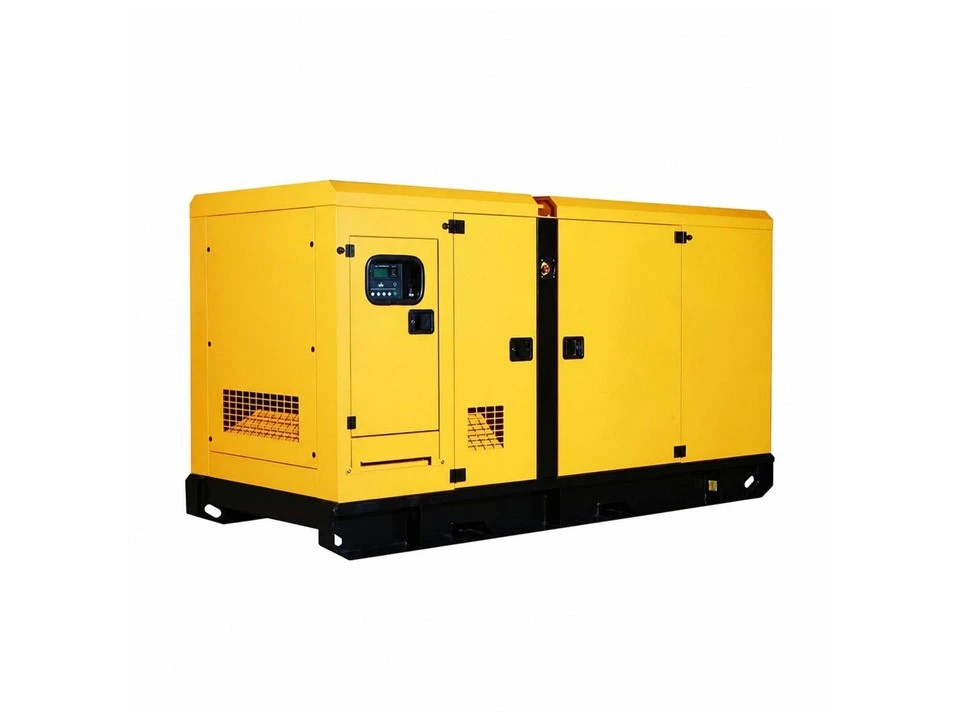
In a hybrid cooling system, the generator set may use air - cooling for some components and liquid - cooling for others. For example, the engine may be liquid - cooled, while the alternator may be air - cooled. This allows for a more customized and efficient cooling solution based on the specific heat - generating characteristics of different components.

Advantages
- Optimal Cooling: Hybrid cooling systems can provide the best of both worlds. They can effectively cool different parts of the generator set according to their needs, ensuring overall optimal performance.
- Flexibility: This cooling method offers more flexibility in design. Manufacturers can choose the most suitable cooling method for each component, taking into account factors such as power output, size, and cost.
Disadvantages
- Increased Complexity: As with liquid - cooling systems, hybrid cooling systems are more complex than simple air - cooling systems. This complexity can lead to higher manufacturing costs and potentially more difficult maintenance.
Considerations When Choosing a Cooling Method
When choosing a silent generator set, the cooling method is an important factor to consider. Here are some key points to keep in mind:
- Power Output: For small - power generator sets (such as 7kW Silent Generator and 10kW Silent Generator), air - cooling may be sufficient. However, for larger power outputs, liquid - cooling or hybrid cooling methods are usually required.
- Application Environment: If the generator set will be used in a hot or harsh environment, liquid - cooling or hybrid cooling may be a better choice as they are more resistant to temperature variations. For applications where portability is a priority, air - cooled generator sets may be more suitable.
- Budget: Air - cooled generator sets are generally more affordable upfront and have lower maintenance costs. However, if long - term performance and reliability are important, investing in a liquid - cooled or hybrid - cooled generator set may be worth it.
Conclusion
As a supplier of silent generator sets, I understand the importance of choosing the right cooling method for different applications. Each cooling method has its own advantages and disadvantages, and the choice depends on factors such as power output, application environment, and budget.
Whether you are in need of a Silent Generator For Home Use or a large - scale industrial generator, we can provide you with the best solution. Our silent generator sets are designed with high - quality components and efficient cooling systems to ensure reliable and quiet operation.
If you are interested in our silent generator sets or have any questions about the cooling methods, please feel free to contact us for a detailed discussion and procurement negotiation. We are committed to providing you with the best products and services to meet your power needs.
References
- Engineering textbooks on generator design and operation.
- Manufacturer's documentation on silent generator sets.