As a supplier of diesel generators, I often encounter inquiries about the efficiency of these power - producing machines. Understanding the efficiency of a diesel generator is crucial for both consumers and industry professionals. In this blog, we'll delve into the concept of diesel generator efficiency, the factors that influence it, and how to optimize it.
What is Diesel Generator Efficiency?
Diesel generator efficiency refers to the ratio of the useful electrical power output to the total energy input from the diesel fuel. It is typically expressed as a percentage. For instance, if a diesel generator has an efficiency of 30%, it means that 30% of the energy stored in the diesel fuel is converted into electrical energy, while the remaining 70% is lost in various forms, such as heat, noise, and mechanical friction.
The formula for calculating the efficiency (η) of a diesel generator is:
[ \eta=\frac{P_{out}}{P_{in}} \times 100% ]
where (P_{out}) is the electrical power output in kilowatts (kW) and (P_{in}) is the power input from the diesel fuel, which can be calculated based on the calorific value of diesel and the fuel consumption rate.
Factors Affecting Diesel Generator Efficiency
1. Load Factor
The load factor is one of the most significant factors influencing diesel generator efficiency. Diesel generators are most efficient when they are operating at or near their rated capacity. When the generator is under - loaded, say running at less than 30% of its rated load, the efficiency drops significantly. This is because the engine still consumes a certain amount of fuel to maintain its operation, but the electrical output is low. On the other hand, over - loading the generator can also lead to reduced efficiency and can cause damage to the equipment over time.


2. Engine Design and Technology
The design and technology of the diesel engine play a vital role in determining its efficiency. Modern diesel engines are designed with advanced features such as direct injection, turbocharging, and electronic fuel injection systems. These technologies improve the combustion process, allowing for more complete burning of the diesel fuel and thus increasing the efficiency of the engine. For example, turbocharging increases the amount of air available for combustion, enabling more fuel to be burned and more power to be produced from the same amount of fuel.
3. Maintenance
Regular maintenance is essential for maintaining the efficiency of a diesel generator. Components such as air filters, fuel filters, and spark plugs need to be replaced at regular intervals. A dirty air filter can restrict the airflow into the engine, leading to incomplete combustion and reduced efficiency. Similarly, a clogged fuel filter can disrupt the fuel supply, affecting the engine's performance.
4. Ambient Conditions
The ambient temperature, humidity, and altitude can also affect the efficiency of a diesel generator. In high - temperature environments, the engine has to work harder to dissipate heat, which can reduce its efficiency. Humidity can affect the combustion process, and at high altitudes, the lower air density reduces the amount of oxygen available for combustion, thus lowering the output power and efficiency of the generator.
How to Optimize Diesel Generator Efficiency
1. Proper Sizing
To ensure optimal efficiency, it is crucial to select a diesel generator with a rated capacity that matches the actual power demand. Oversizing a generator can lead to under - loading, while undersizing can cause over - loading. By accurately assessing the power requirements, you can select a generator that will operate at or near its rated capacity most of the time.
2. Monitoring and Control
Implementing a monitoring system can help you keep track of the generator's performance, including fuel consumption, load factor, and temperature. By analyzing this data, you can identify any issues that may be affecting efficiency and take corrective action. For example, if the monitoring system shows that the generator is consistently operating at a low load factor, you may need to consider using a smaller generator or adjusting the power distribution.
3. Regular Maintenance
As mentioned earlier, regular maintenance is key to maintaining high efficiency. Follow the manufacturer's recommended maintenance schedule, which includes oil changes, filter replacements, and engine tune - ups. A well - maintained generator will not only operate more efficiently but will also have a longer lifespan.
Our Product Range and Efficiency
We are proud to offer a wide range of diesel generators with high - efficiency ratings. Our 3kW Generator Silent is designed for small - scale power needs, such as in residential or small commercial settings. It is engineered with advanced technology to ensure optimal fuel efficiency and quiet operation.
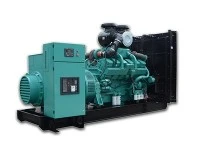
For larger power requirements, we have the 50kw Silent Diesel Generator, 100kVA Silent Diesel Generator, and 200kw Silent Diesel Generator. These generators are built with high - quality components and state - of - the - art engine technology to provide reliable power with excellent efficiency.
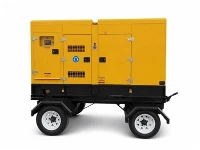
In addition, our Mobile Silent Diesel Generator offers the flexibility of portability without sacrificing efficiency. It is suitable for a variety of applications, including construction sites, outdoor events, and emergency power backup.
Conclusion
The efficiency of a diesel generator is a complex concept influenced by multiple factors. By understanding these factors and taking steps to optimize efficiency, you can ensure that your diesel generator operates at its best, providing reliable power while minimizing fuel consumption and costs.
If you are in the market for a diesel generator, we are here to help. Our team of experts can assist you in selecting the right generator for your needs and provide guidance on how to maintain its efficiency. Contact us today to start your procurement process and discuss how our diesel generators can meet your power requirements.
References
- Heywood, J. B. (1988). Internal Combustion Engine Fundamentals. McGraw - Hill Education.
- National Renewable Energy Laboratory. (n.d.). Diesel Generator Efficiency. Retrieved from NREL official resources.
- Diesel Technology Forum. (n.d.). Understanding Diesel Generator Performance. Retrieved from Diesel Technology Forum publications.