What is the grounding requirement for a quiet diesel generator?
As a supplier of quiet diesel generators, it's crucial to understand the grounding requirements for these essential power - providing machines. Grounding is not only a safety measure but also impacts the performance and longevity of the generator.


The Basics of Grounding
Grounding, in the context of electrical systems, refers to the connection of an electrical circuit or equipment to the earth. This connection provides a low - resistance path for electrical current in case of a fault, such as a short - circuit. When a generator is properly grounded, it helps prevent electrical shock to users and protects the generator and other connected equipment from damage.
In the case of a quiet diesel generator, the grounding system ensures that any stray electrical currents are safely diverted to the ground. This is especially important because diesel generators produce electrical energy, and if there is an electrical fault, the consequences can be severe. For example, without proper grounding, a person coming into contact with the generator or its connected devices could receive a dangerous electric shock.
Why Grounding is Essential for Quiet Diesel Generators
- Safety:
- Safety is the primary reason for grounding a quiet diesel generator. When a short - circuit occurs within the generator or in the connected electrical system, the grounding wire provides an alternative path for the electrical current. This current then flows safely into the ground instead of passing through the generator's frame or other conductive parts that a person might touch. For instance, if a live wire inside the generator comes into contact with the metal casing, without proper grounding, the entire casing could become energized. A person touching the casing would then be at risk of electrocution.
- Equipment Protection:
- Grounding also protects the generator and other connected electrical equipment. Electrical surges and faults can cause excessive current to flow through the system. By providing a low - resistance path to the ground, the grounding system helps limit the voltage and current in the event of a fault. This reduces the risk of damage to the generator's internal components, such as the alternator, control panels, and wiring. For example, a large electrical surge could damage the delicate electronic components in the generator's control system if there is no proper grounding to dissipate the excess energy.
- Stability of Electrical Supply:
- A well - grounded generator helps maintain a stable electrical supply. It can reduce electrical noise and interference in the power output. This is particularly important for a quiet diesel generator, as the goal is to provide a clean and stable power source. Electrical noise can cause problems for sensitive electronic equipment connected to the generator, such as computers, medical devices, and communication systems. Grounding helps to minimize these issues by ensuring that the electrical system operates in a more balanced and stable manner.
Grounding Requirements for Quiet Diesel Generators
- Grounding Electrode:
- A grounding electrode is a conductive object that is buried in the ground to provide a connection to the earth. For a quiet diesel generator, a common type of grounding electrode is a ground rod. The ground rod should be made of a conductive material, such as copper or galvanized steel. It should be at least 8 feet long and driven into the ground to a depth of at least 8 feet. In some cases, multiple ground rods may be required, especially in areas with high soil resistance.
- The grounding electrode should be connected to the generator's frame using a grounding conductor. The grounding conductor should be of an appropriate size, based on the electrical rating of the generator. Generally, a larger generator will require a larger - gauge grounding conductor to ensure that it can safely carry the fault current.
- Bonding:
- Bonding is the process of connecting all metal parts of the generator and its associated equipment together. This includes the generator frame, the fuel tank, the exhaust system, and any other metal components. Bonding helps to ensure that all metal parts are at the same electrical potential. In the event of a fault, this prevents the development of a potential difference between different metal parts, which could cause electrical shock or arcing.
- The bonding conductors should be securely connected to all the metal parts. They should be made of a suitable conductive material, such as copper, and should be of an appropriate size to carry any fault current that may occur.
- Grounding of Electrical Circuits:
- In addition to grounding the generator frame, the electrical circuits connected to the generator also need to be properly grounded. This includes the neutral conductor of the generator's output. The neutral conductor should be connected to the grounding electrode system. This helps to balance the electrical system and provides a reference point for the electrical voltage.
- All electrical outlets and devices connected to the generator should also be properly grounded. This ensures that any fault current in these devices is safely diverted to the ground. For example, in a building or a mobile setup powered by the quiet diesel generator, all electrical appliances should be plugged into grounded outlets.
Installation and Inspection
- Installation:
- When installing a quiet diesel generator, the grounding system should be installed correctly from the start. The ground rod should be driven into the ground at an appropriate location, away from any combustible materials or potential sources of interference. The grounding conductor should be routed neatly and securely connected to the generator frame and the grounding electrode.
- Bonding conductors should be installed between all metal parts of the generator and associated equipment. Care should be taken to ensure that all connections are tight and free of corrosion.
- Inspection:
- Regular inspection of the grounding system is essential. This should include checking the condition of the grounding electrode, the grounding conductor, and the bonding conductors. The connections should be inspected for tightness and signs of corrosion. The resistance of the grounding system should also be measured periodically to ensure that it is within the acceptable range. If the resistance is too high, it may indicate a problem with the grounding electrode or the connections.
Our Product Range and Grounding
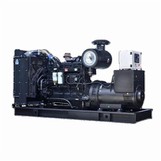
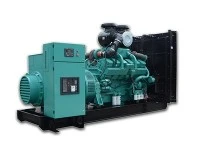
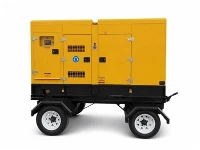
At our company, we offer a wide range of Low Noise Diesel Generator products, including the 100kVA Silent Diesel Generator and the 100kw Silent Diesel Generator. All our generators are designed to meet the highest grounding requirements.
Our technical team ensures that each generator is properly grounded during the manufacturing process. We use high - quality grounding electrodes and conductors, and all bonding connections are carefully made to ensure maximum safety and performance.
Conclusion and Call to Action
In conclusion, proper grounding is a critical requirement for quiet diesel generators. It provides safety for users, protects the equipment, and ensures a stable electrical supply. If you are in the market for a high - quality quiet diesel generator, we are here to help. Our products are designed with the best grounding practices in mind, giving you peace of mind when it comes to safety and performance.
If you are interested in learning more about our quiet diesel generators or have any questions regarding grounding requirements, we encourage you to contact us for a detailed discussion. Our team of experts is ready to assist you in finding the right generator for your needs and ensuring that it is installed and grounded correctly.
References
- Electrical Safety Standards for Generators, National Electrical Code (NEC)
- Diesel Generator Installation and Maintenance Manuals