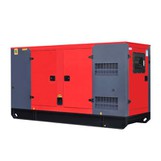
Storing an 80KW power generation system during off - seasons is a crucial task for us as an 80KW power generation supplier. It's not just about putting the system away; it's about ensuring that it remains in top - notch condition so that it can jump back into action when the demand arises.
Why Proper Storage Matters
First off, why is proper storage so important? Well, an 80KW power generation system is a significant investment. Whether it's a SDEC Open Diesel Generator, a Cummins Diesel Generator 20kVA - 2000kVA, or any other type, these systems are built to last. But if they're not stored correctly during the off - season, they can face a whole bunch of problems.
Moisture is one of the biggest enemies. It can lead to rust and corrosion on the metal parts of the generator. This not only looks bad but can also compromise the structural integrity of the system. Electrical components are also at risk. Moisture can cause short - circuits, which can be a real headache to fix and can even render the generator useless.
Another issue is pests. Rats, mice, and insects can find their way into the generator during storage. They might chew on cables or nest in the engine, causing damage that can be expensive to repair. And let's not forget about dirt and dust. Over time, a layer of dirt can build up on the generator, clogging air filters and other important components. This can reduce the efficiency of the system and increase the wear and tear on the engine.
Pre - storage Preparation
Before storing the 80KW power generation system, there are a few key steps we need to take.
Cleaning: This is the first and most important step. We need to give the generator a thorough clean. Start by removing any dirt, debris, or grease from the exterior. Use a mild detergent and a soft brush to clean the surfaces. For the engine, make sure to clean the air filters. A dirty air filter can restrict airflow, which affects the performance of the generator.
Inspection: Next, conduct a detailed inspection. Check all the belts, hoses, and cables for any signs of wear and tear. Look for cracks, fraying, or loose connections. If any parts are damaged, it's best to replace them before storage. This will prevent further damage during the off - season. Also, check the oil and coolant levels. If they're low, top them up according to the manufacturer's instructions.
Fuel Management: Fuel can be a tricky thing during storage. Gasoline can break down over time, forming gummy deposits that can clog the fuel system. For diesel generators, the diesel fuel can also develop problems. One option is to use a fuel stabilizer. This helps to keep the fuel fresh for a longer period. Another approach is to drain the fuel tank completely. However, this can be risky as it can introduce air into the fuel system, which can cause starting problems later on.
Storage Location
The choice of storage location is critical.


Indoor Storage: If possible, store the 80KW power generation system indoors. A dry, climate - controlled warehouse is ideal. This protects the generator from the elements, such as rain, snow, and extreme temperatures. Make sure the storage area is well - ventilated to prevent the build - up of fumes.
Outdoor Storage: If indoor storage isn't an option, outdoor storage can be used, but with some precautions. Use a high - quality, waterproof cover to protect the generator from rain and snow. Place the generator on a raised platform to prevent water from pooling around it. Also, make sure the area is secure to prevent theft and vandalism.
Maintenance During Storage
Storing the generator isn't the end of the story. We also need to perform some maintenance during the off - season.
Battery Care: If the generator has a battery, it's important to keep it charged. A fully charged battery is less likely to freeze in cold temperatures. You can use a battery charger or a trickle charger to maintain the charge. Check the battery regularly for any signs of damage or corrosion.
Engine Maintenance: Every few months, it's a good idea to run the generator for a short period. This helps to keep the engine lubricated and prevents the fuel system from drying out. However, make sure to do this in a well - ventilated area to avoid carbon monoxide poisoning.
Monitoring: Keep an eye on the generator throughout the off - season. Check for any signs of damage, such as leaks or rust. If you notice any problems, address them immediately.
Conclusion
As an 80KW power generation supplier, we know that proper storage of our 80KW power generation systems during off - seasons is essential. By following these steps, we can ensure that our generators remain in good working condition and are ready to meet the needs of our customers when the time comes.
If you're in the market for an 80KW power generation system or need advice on storing your existing one, feel free to contact us. We're here to help you make the best decisions for your power generation needs. Whether it's a 100KW Eelectric Diesel Generator, Perkins Diesel Generator 3 Phase 60Hz, or Perkins Open Diesel Generator, we've got the expertise and the products to meet your requirements.
References
- Generator Manufacturer's Manuals
- Industry Best Practices for Generator Storage