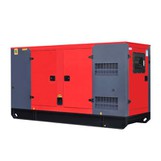
Backup power generators are lifesavers in times of unexpected power outages, whether at home or in a commercial setting. As a backup power generator supplier, I've seen my fair share of issues that customers face with these machines. In this blog, I'll share some of the most common problems with backup power generators and how you can address them.
Fuel - Related Problems
One of the most frequent issues with backup power generators is fuel - related. Diesel generators, like the High Voltage Diesel Generator 6.6kV and 6.6kv Diesel Genset, rely on a clean and consistent fuel supply to operate efficiently.
Fuel Contamination
Over time, fuel can get contaminated with dirt, water, or rust. Water in the fuel tank can cause corrosion and lead to poor combustion. Bacteria and fungi can also grow in the fuel, blocking fuel filters and injectors. You might notice that the generator runs rough, has reduced power output, or in some cases, it won't start at all. To prevent this, regularly check the fuel tank for any signs of water or debris. Use a fuel stabilizer to keep the fuel fresh and consider periodic fuel polishing.
Fuel Starvation
Another fuel - related problem is fuel starvation. If the fuel line is blocked, the fuel filter is clogged, or the fuel pump isn't working correctly, the generator won't get enough fuel to run. This can be due to old fuel, which can form gum and varnish deposits in the fuel system. To fix this, replace the fuel filter regularly, check the fuel lines for any kinks or blockages, and test the fuel pump.
Battery Issues
The battery is crucial for starting a backup power generator. If the battery is dead or weak, the generator won't start.
Battery Failure
Batteries can fail due to age, over - discharging, or improper charging. Most generator batteries have a lifespan of a few years. If you notice that the generator is having trouble starting, the lights on the control panel are dim, or there are signs of corrosion on the battery terminals, it might be time to replace the battery.
Charging System Problems
The charging system is responsible for keeping the battery charged. A faulty alternator, voltage regulator, or loose connections can prevent the battery from charging properly. Check the charging system regularly to ensure the battery is getting the right amount of voltage.
Cooling and Exhaust Problems
Generators produce a lot of heat when they're running, and proper cooling and exhaust are essential for their safe and efficient operation.
Cooling System Failures
The cooling system, which usually consists of a radiator, coolant, and a fan, can fail. If the coolant level is low, the radiator is clogged, or the fan isn't working, the generator can overheat. Overheating can cause damage to the engine components, reduce the generator's lifespan, and even lead to a fire. Regularly check the coolant level and the condition of the radiator and fan.
Exhaust System Blockages
A blocked exhaust system can cause back - pressure in the engine, leading to reduced performance and potential engine damage. Exhaust leaks can also be a safety hazard, as they release carbon monoxide, a colorless and odorless gas that can be deadly. Inspect the exhaust pipes for any signs of damage, rust, or blockages, and make sure the exhaust is properly vented outside.
Electrical Problems
Electrical issues are also common in backup power generators.
Faulty Wiring
Over time, the wiring in a generator can become frayed, loose, or corroded. This can cause short circuits, power outages, or even electrical fires. Check the wiring regularly for any signs of damage and make sure all connections are tight.
Voltage Regulation
Proper voltage regulation is essential for the safe operation of electrical equipment connected to the generator. If the generator produces too much or too little voltage, it can damage sensitive electronics. A faulty voltage regulator can cause these issues. Test the voltage output regularly and replace the voltage regulator if necessary.
Maintenance Neglect
One of the biggest problems with backup power generators is simply a lack of maintenance. Many people buy a generator and then forget about it until they need it. Regular maintenance is crucial for keeping the generator in good working condition.
Scheduled Maintenance
Follow the manufacturer's recommended maintenance schedule for your generator. This includes changing the oil, filters, and spark plugs (for gasoline generators), checking the battery, and lubricating moving parts. Regular maintenance can prevent many of the common problems I've mentioned above.
How to Address These Problems
If you're experiencing any of these problems with your backup power generator, don't panic. In many cases, you can fix the issue yourself with a little knowledge and the right tools. However, if you're not comfortable working on the generator, it's best to call a professional technician.


For more serious issues, you might need to replace parts. As a backup power generator supplier, I offer a wide range of high - quality generators, including the 11kv Diesel Generator and 6.6kV Electric Power Generator, as well as replacement parts and maintenance services.
If you're in the market for a new backup power generator or need help with an existing one, I'd love to talk to you. Our team of experts can help you choose the right generator for your needs and provide you with advice on maintenance and troubleshooting. We also offer High Voltage Diesel Generator solutions that are reliable and efficient.
Contact us to start a conversation about your backup power needs. Let's work together to ensure that you're prepared for any power outage.
References
- Generator Maintenance Guide by Industry Experts
- Manufacturer's Manuals for Backup Power Generators