

As an industrial diesel generator set supplier, I've been frequently asked about the process of connecting multiple industrial diesel generator sets on a construction site. This is a crucial topic, as proper connection ensures a stable and efficient power supply, which is essential for the smooth operation of construction projects. In this blog, I'll walk you through the key steps and considerations for connecting these generator sets.
Understanding the Basics
Before diving into the connection process, it's important to understand the basic principles of generator sets. Industrial diesel generator sets convert the chemical energy of diesel fuel into mechanical energy through an engine and then into electrical energy via an alternator. When multiple generator sets are connected, they need to work in harmony to provide a unified and reliable power output.
Step 1: Load Assessment
The first step in connecting multiple generator sets is to conduct a thorough load assessment of the construction site. This involves identifying all the electrical equipment and machinery that will be powered by the generators and calculating their total power requirements. Consider both the continuous power demand and the peak power demand, as some equipment may require a higher power surge during startup.
Based on the load assessment, you can determine the number and capacity of generator sets needed. For example, if your construction site has a total power demand of 2000 kW and you have 1500kW Industrial Diesel Generator and Dianbida 100KW Diesel Generator available, you might need one 1500 kW generator and five 100 kW generators to meet the demand.
Step 2: Generator Selection
Once you have determined the power requirements, it's time to select the appropriate generator sets. Consider factors such as the generator's power output, fuel efficiency, reliability, and noise level. Different types of generator sets, such as Open Type Diesel Generator and Natural Gas Generator, have their own advantages and disadvantages, so choose the ones that best suit your specific needs.

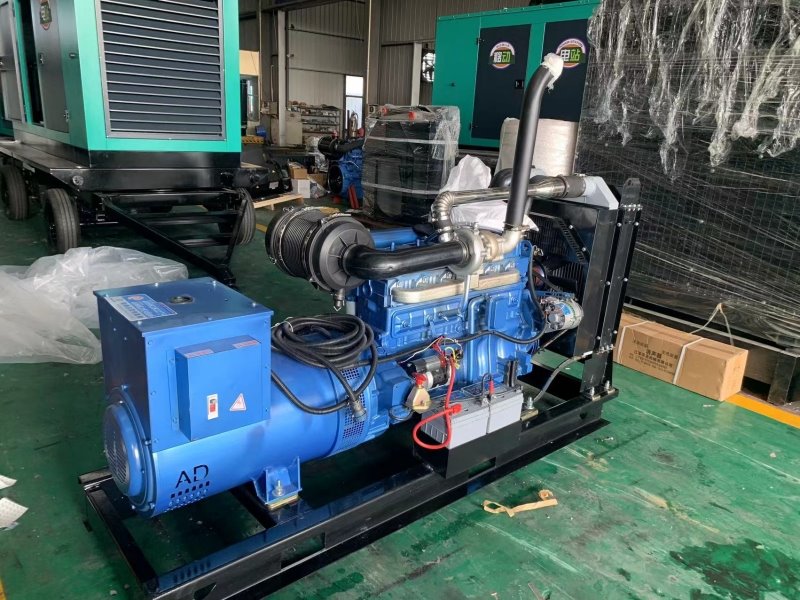
It's also important to ensure that all the selected generator sets are compatible with each other in terms of voltage, frequency, and phase. This compatibility is crucial for successful parallel operation, which allows the generator sets to share the load evenly.
Step 3: Installation and Placement
Proper installation and placement of the generator sets are essential for their safe and efficient operation. The generator sets should be installed on a flat, stable, and well-ventilated surface to prevent vibration and ensure proper cooling. They should also be located away from flammable materials and sources of heat to reduce the risk of fire.
When placing multiple generator sets, keep a sufficient distance between them to allow for proper air circulation and maintenance access. Additionally, consider the noise level of the generators and place them in a location that minimizes the impact on the surrounding environment.
Step 4: Electrical Connection
The electrical connection of multiple generator sets is a complex process that requires careful planning and execution. Here are the key steps involved:
- Parallel Operation Control System: Install a parallel operation control system that allows the generator sets to synchronize their output voltage, frequency, and phase. This system ensures that the generator sets work together smoothly and share the load evenly.
- Busbar Connection: Connect the generator sets to a common busbar, which serves as a central power distribution point. The busbar should be sized appropriately to handle the total power output of all the generator sets.
- Circuit Breakers: Install circuit breakers between the generator sets and the busbar to protect the electrical system from overloads and short circuits. Make sure the circuit breakers are rated correctly for the generator's power output.
- Neutral Connection: Connect the neutral points of all the generator sets together to ensure a balanced electrical system. This helps to prevent electrical interference and ensures the safety of the equipment.
Step 5: Testing and Commissioning
After the electrical connection is complete, it's important to conduct thorough testing and commissioning of the generator sets. This involves checking the electrical parameters, such as voltage, frequency, and phase, and ensuring that they are within the specified limits.
Start the generator sets one by one and gradually increase the load to ensure that they are operating smoothly and sharing the load evenly. Monitor the performance of the generator sets closely during the testing process and make any necessary adjustments to the parallel operation control system.
Step 6: Maintenance and Monitoring
Once the generator sets are up and running, regular maintenance and monitoring are essential to ensure their long-term reliability and performance. Establish a maintenance schedule that includes tasks such as oil and filter changes, spark plug replacements, and generator inspections.
Install a monitoring system that allows you to track the performance of the generator sets in real-time. This system can provide valuable information about the generator's operating status, fuel consumption, and maintenance needs.
Conclusion
Connecting multiple industrial diesel generator sets on a construction site is a complex process that requires careful planning, proper installation, and regular maintenance. By following the steps outlined in this blog and considering the key factors, you can ensure a stable and efficient power supply for your construction project.
If you have any questions or need further assistance with connecting industrial diesel generator sets, or if you're interested in purchasing high-quality generator sets for your construction site, please don't hesitate to reach out. We're here to help you find the best solutions for your power needs.
References
- "Electrical Power Systems: Design and Analysis" by Turan Gonen
- "Generator Handbook: Design, Construction, and Operation" by Klaus Thoma


