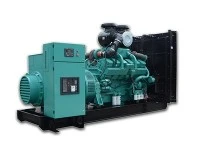
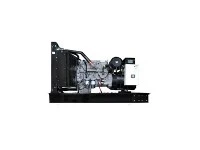
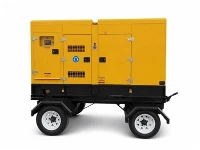
Hey there! I'm a supplier of High Voltage Diesel Generators, and I'm super stoked to share with you the main components of these bad boys. High voltage diesel generators are a crucial part of many industries, providing reliable power when you need it most. Whether it's for a construction site, a data center, or an industrial facility, these generators are the workhorses that keep things running smoothly.


Let's start with the heart of the generator: the diesel engine. The diesel engine is what powers the whole operation. It's a robust and efficient piece of machinery that burns diesel fuel to produce mechanical energy. The engine's power output is measured in kilowatts (kW) or horsepower (hp), and it's designed to run continuously for long periods. Different models of engines have varying levels of power, so you can choose one that suits your specific needs. For example, if you're looking for a High Voltage Diesel Generator for a small to medium - sized operation, a lower - powered engine might do the trick. But for larger industrial applications, you'll need a high - performance engine with a significant power output.
Next up is the alternator, also known as the generator head. The alternator takes the mechanical energy from the diesel engine and converts it into electrical energy. It consists of a stator and a rotor. The stator is the stationary part with coils of wire, and the rotor is the rotating part that creates a magnetic field. As the rotor spins inside the stator, an alternating current (AC) is generated. The voltage output of the alternator can be adjusted to meet different requirements, such as 6.6kV or 11kV. If you're in the market for a 6.6kV generator, you might want to check out our 6.6kv Diesel Genset or 6.6kV Electric Power Generator. And for those who need 11kV power, our 11kv Diesel Generator is a great option.
The control panel is another essential component. This is basically the brain of the generator. It allows you to start, stop, and monitor the generator's operation. You can check things like the voltage, current, frequency, and temperature. Modern control panels are often equipped with advanced electronics and can even be connected to a remote monitoring system. This means you can keep an eye on your generator's performance from anywhere in the world. Whether you're at the office, at home, or on the go, you'll know exactly how your generator is doing.
Then we have the fuel system. The fuel system is responsible for storing, supplying, and regulating the diesel fuel to the engine. It includes a fuel tank, fuel pump, fuel filter, and injectors. The fuel tank stores the diesel fuel, and the fuel pump transports it from the tank to the engine. The fuel filter cleans the fuel, removing any contaminants that could damage the engine. The injectors then spray the fuel into the engine's cylinders at the right time and in the right amount. A well - maintained fuel system is crucial for the efficient and reliable operation of the generator.
The cooling system is also vital. As the diesel engine runs, it generates a lot of heat. If this heat isn't dissipated properly, it can cause damage to the engine. The cooling system helps to keep the engine at a safe operating temperature. There are two main types of cooling systems: air - cooled and water - cooled. Air - cooled systems use fans to blow air over the engine to cool it down. They're simple and relatively inexpensive, but they're not as efficient as water - cooled systems. Water - cooled systems use a radiator and a water pump to circulate coolant around the engine. The coolant absorbs the heat from the engine and then releases it into the atmosphere through the radiator.
The exhaust system is there to get rid of the harmful gases produced by the combustion process in the engine. It includes an exhaust manifold, a muffler, and an exhaust pipe. The exhaust manifold collects the exhaust gases from the engine cylinders, and the muffler reduces the noise generated by the exhaust gases. The exhaust pipe then directs the exhaust gases out of the generator. A properly designed exhaust system is important for both environmental and safety reasons.
Another important part is the lubrication system. The lubrication system ensures that all the moving parts in the engine are well - lubricated. It includes an oil pump, oil filter, and oil pan. The oil pump circulates the lubricating oil through the engine, and the oil filter removes any dirt or debris from the oil. The oil pan stores the oil. Good lubrication reduces friction between the moving parts, which extends the engine's lifespan and improves its efficiency.
The voltage regulator is key for maintaining a stable voltage output. As the load on the generator changes, the voltage can fluctuate. The voltage regulator senses these changes and adjusts the generator's output voltage accordingly. This ensures that the electrical equipment connected to the generator receives a consistent and safe voltage supply.
Now, if you've got a project that requires a high - quality high voltage diesel generator, we've got you covered. Our High Voltage Diesel Generator 6.6kV and other models are built to last and perform reliably under tough conditions. We use only the best components and the latest manufacturing techniques to ensure that our generators meet the highest standards.
If you're interested in learning more about our products or want to discuss your specific power requirements, don't hesitate to reach out. We're here to help you find the perfect generator for your needs. Whether you're a small business owner or a large industrial operator, we've got the expertise and the products to keep your operations running smoothly. So, let's have a chat and see how we can work together to get you the power you need.
References
- Diesel Generator Handbook.
- Electrical Power Generation and Distribution Manual.