If you’ve ever lived through a major earthquake, you know how quickly the basic comforts of life vanish—power outages can stretch for days, cutting off everything from refrigeration to medical equipment and lighting. For those who rely on backup power, the question of whether a silent generator set is safe or effective in seismic-prone areas comes up all the time. As a supplier who’s helped clients across earthquake zones for years, I get this question more than any other. It’s not a simple yes or no; it depends on understanding both how silent generators work, how earthquakes impact them, and the specific steps needed to make sure your setup is up to code when ground starts to shake.
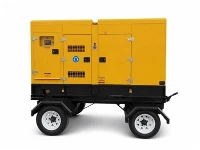
Let’s start with the basics: what makes a generator “silent”? Unlike open-frame models that leave the engine and exhaust exposed, silent generators (sometimes called enclosed or canopy generators) have a heavy acoustic canopy that wraps around the core components—engine, alternator, fuel system, and control panel. The canopy isn’t just for noise reduction, though; it also adds a layer of structural protection against light debris, moisture, and dust. That said, the canopy design is just one piece of the puzzle when it comes to seismic safety. If you’re in an area with regular or intense earthquakes, picking the right model and installing it correctly matters far more than the silent feature itself.
First, let’s talk about the risks specific to seismic zones. Earthquakes produce two main types of movement: horizontal shaking (side-to-side and back-and-forth) and vertical shaking (up-and-down). Most standard generators, even portable silent models, aren’t built to handle sustained horizontal or vertical force. When the ground shakes, a generator that’s not properly anchored can slide off its foundation, tip over, or even have components like fuel lines break. If a fuel line ruptures, you’re looking at a fire hazard on top of a power outage. Worse, if the generator’s electrical connections come loose, it could fail to start exactly when you need it most.
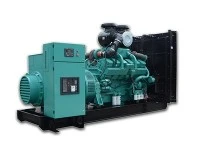
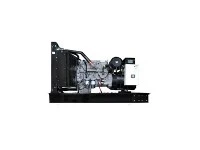
This is where the details of the generator itself come in, and where choosing the right model matters. For small to medium applications—like a small home office, a medical clinic’s critical backup power, or a residential property—models like the 8kVA Silent Generator or 2kW Silent Generator are popular picks. These units are compact, designed for quiet operation, and when properly installed, they can perform reliably in low-seismic areas. But if you’re in a high-seismic zone (places like parts of California, Japan, or Turkey, for example), you need to look beyond just the power rating. The Canopy Diesel Generator is a step up for these areas; its enclosed steel canopy is reinforced to resist bending or warping during shaking, and many of these models come with pre-drilled anchor points built-in, which simplifies installation for seismic compliance.
I’ve worked with a client in a coastal region of Oregon that’s in a high-seismic zone, and they initially went with a standard silent generator to save on noise for their outdoor café. A small tremor a few months after installation caused the unit to shift slightly, which broke the exhaust pipe’s connection. By the time we got out there, it had damaged the canopy’s frame, and the generator wouldn’t start at all—perfect timing, right before a holiday weekend when the café’s refrigeration was down. That experience taught us that in seismic zones, the silent features shouldn’t come at the cost of structural integrity. The Ultra Silent Generator is designed with reinforced mounting points and vibration-dampening pads that reduce stress on internal components during shaking, and it’s engineered to meet stricter seismic standards than basic models. For larger applications, like a small commercial building or a school, the 10kVA Silent Generator offers the power needed while still maintaining the structural strength to handle seismic movement when installed correctly.
Now, even the best silent generator won’t work if it’s installed wrong. I can’t stress this enough: in seismic-prone areas, installation is just as important as the unit itself. Let’s break down the key installation steps that make a silent generator safe for earthquakes. First, the foundation: it can’t be a flimsy concrete slab. It needs to be reinforced with rebar, sized to match the generator’s weight, and anchored directly to the building’s structural footing (not just the ground) for maximum stability. Most local building codes in seismic zones have specific requirements for generator foundations, so always check with your local construction department before planning the setup.
Next, anchoring the generator to the foundation. Most silent generators have lugs or anchor points built into the frame, and you’ll need heavy-duty, corrosion-resistant bolts to secure them. For horizontal shaking (which is the most common and damaging in earthquakes), it’s not enough to anchor the unit at just the corners—you need to add additional bolts along the length and width of the generator’s frame to prevent it from sliding or shifting. Vibration-dampening pads are another must-have here. These pads, made of rubber or a specialized composite, sit between the generator and the foundation, absorbing some of the shake energy and reducing stress on internal components like the alternator and fuel lines. They also help keep the generator quiet, which is a bonus of the silent design.
Fuel systems are another critical point. Earthquakes can break fuel lines, leading to leaks that cause fires or mean you have no fuel when you need it. If you’re using a diesel generator (the most common type for backup power in seismic zones), the fuel tank should be mounted above the ground, but not too high that it becomes a hazard during shaking. It should be secured to the foundation or the building structure, and all fuel lines should be flexible metal lines with crimped connections, not rigid steel pipes. The lines should also be routed away from areas where they can be crushed or pulled loose during movement. Some clients also opt for a secondary spill containment system under the generator, which catches any small leaks and prevents them from contaminating the ground during an earthquake.
Electrical connections are often overlooked, but they’re vital for the generator to start when power goes out. All wiring to the generator (from the transfer switch, which switches between grid power and generator power) should be secured with metal conduit that’s anchored to the building and the generator, not just run loosely. The transfer switch itself should be rated for seismic use, and it should be installed in a location that’s not at risk of falling debris. In some cases, adding a surge protector for the generator’s electrical output can also help, as power spikes during or after an earthquake can damage sensitive equipment connected to the generator.
Regular maintenance is the final piece of the puzzle, and it’s non-negotiable for seismic zones. I recommend that all clients in earthquake-prone areas have their generator inspected every six months, but especially after a major tremor. During an inspection, technicians will check the anchor bolts to make sure they’re still tight, inspect fuel lines for cracks or leaks, test the vibration-dampening pads for wear, and run a full load test to make sure the generator starts and runs correctly. I’ve seen many generators that worked fine for years, but after a small earthquake, loose bolts and worn pads caused them to fail—all because the owner skipped regular maintenance. That’s not just bad for the generator; it’s dangerous if you rely on it for power during an emergency.
Let’s also address a common myth: some people think that because silent generators have a heavier canopy, they’re more likely to tip over during an earthquake. That’s only true if they’re not installed correctly. A heavy canopy actually lowers the generator’s center of gravity, making it more stable than a lightweight open-frame generator, as long as it’s properly anchored. In fact, many of the models we carry for seismic zones have reinforced canopies that are designed to resist damage from falling debris, which is another common hazard after earthquakes. For example, the Canopy Diesel Generator uses a double-walled steel canopy that’s tested to withstand impact from small to medium debris, which is a big plus if you’re in an area where fallen trees or building parts are common after quakes.
Another point to consider is noise regulations, which is why silent generators are often the preferred choice for residential or commercial areas near neighborhoods. Even in seismic zones, you don’t want a generator that’s so loud it disturbs nearby residents, especially if you’re using it for extended periods after a power outage. The Ultra Silent Generator models we carry are rated at under 60 decibels at 7 meters—about as loud as a normal conversation—so they keep noise levels low while still meeting seismic safety standards. For smaller applications like a home or a small office, the 2kW Silent Generator offers enough power for lights, a refrigerator, and a few small appliances, while staying quiet enough for residential use.
It’s also important to match the generator’s size to your needs, both for power and for seismic stability. A generator that’s too small will overwork during an outage, leading to component failure, while a generator that’s too large is heavier and harder to anchor properly. For example, a 8kVA unit is ideal for a small clinic with critical equipment like a refrigerator for vaccines or a small medical device, while a 10kVA unit can handle larger loads like a small office’s HVAC system, lighting, and computers. The 8kVA Silent Generator and 10kVA Silent Generator are both designed to balance power output, noise reduction, and structural stability, which makes them good choices for seismic zones when installed correctly.
If you’re still not sure whether a silent generator is right for your area, there are a few things to look for when choosing a supplier. First, make sure the generator models are tested to meet seismic standards—look for certifications like ICC-ES AC156, which is a standard for non-structural components in seismic zones. All the models we carry, from the smallest 2kW Silent Generator up to the heavy-duty Canopy Diesel Generator, are tested to meet these international seismic standards, so you can have peace of mind that they’re built to handle shaking.
Second, work with a supplier who understands both generator technology and seismic installation. As someone who’s been in this business for over a decade, I’ve learned that a good generator is only as good as the person installing it. We offer guidance on everything from choosing the right model for your seismic zone to connecting you with certified installers who know local building codes and seismic requirements. We also provide maintenance checklists specifically for seismic zones, so you know exactly what to look for during inspections after an earthquake.


In the end, the answer to “Can a silent generator set be used in a seismic-prone area?” is a resounding yes— but only if you choose the right model, install it correctly, and maintain it regularly. Silent generators offer the noise reduction you need for residential or sensitive commercial areas, and with the structural upgrades many models have now, they’re safe and reliable enough for even high-seismic zones. The key is not to cut corners on installation or maintenance, because that’s where most failures happen when the ground shakes.
If you’re in a seismic zone and ready to explore silent generator options that meet both your power needs and safety requirements, I’d be happy to help you find the right unit. Whether you need a compact 2kW Silent Generator for a small home or a heavy-duty Canopy Diesel Generator for a larger commercial building, we can guide you through the process from selection to installation. Don’t wait until the next earthquake—plan ahead now to make sure your power backup is ready when you need it most.
References
- American Society of Civil Engineers. (2017). Seismic Design Criteria for Non-Structural Components. ASCE 7-16.
- International Code Council. (2020). International Building Code: Requirements for Generator Installation. ICC.
- Generator Energy Association. (2022). Seismic Safety Guidelines for Backup Power Systems. GEA Technical Report Series.
- National Fire Protection Association. (2021). Standard for Emergency and Standby Power Systems. NFPA 110.