Let’s cut to the chase—if you’ve ever been stuck in the dark during a random winter storm or a summer heatwave where the AC cuts out, you’ve probably daydreamed about a backup power setup. For anyone living in areas with shaky utility grids, wildfires, or hurricane season on repeat, an emergency generator isn’t a “nice to have” anymore—it’s a necessity. But here’s the big question I get all the time: Can I just slap one together myself, or do I need to pay a pro to install it? As a generator supplier who’s helped hundreds of folks navigate this exact call, I’m breaking down why DIY might seem tempting (especially with all those YouTube tutorials) but why professional installation is almost always worth every penny.


First off, let’s talk about what actually goes into getting a generator up and running safely—and legally. Most people don’t realize that emergency generators aren’t just a hunk of metal with an engine and a plug. There’s way more that meets the eye. For starters, generator safety is non-negotiable. Carbon monoxide (CO) poisoning is a real, deadly risk—way more common than people think. If you plop a generator too close to your house, garage, or even an open window, that silent, odorless gas can seep inside before you even notice something’s wrong. A pro installer doesn’t just plug in a cord and call it a day; they figure out the right location (usually at least 10-20 feet from your home, with exhaust pointed away from any openings) and set up proper ventilation to keep CO from building up. I’ve seen way too many horror stories of someone who thought they were being clever by moving a generator closer during a storm, only to end up in the ER or worse. That’s a risk you don’t want to take, right?
Then there’s the electrical side of things, which is where so many DIYers go wrong fast. Generators produce raw, unregulated power—different from the grid’s steady voltage. If you hook one up wrong, you can fry your appliances, your HVAC system, even your entire home’s wiring. And if you backfeed power into the grid (which happens when a generator is connected incorrectly to your home’s circuit), that’s a huge safety hazard for utility workers who might be out fixing lines and don’t realize power is coming back through them. That’s a big no-no—and it can also get you fined by your power company. A licensed electrician or generator installer knows how to set up a transfer switch, which is the key piece of equipment that switches your home from grid power to generator power automatically. No more manually plugging in extension cords, no more messing with circuits. It’s seamless, and it keeps everyone safe. You might be thinking, “Wait, can’t I get a portable generator and just use a cord?” Yeah, but that’s clunky, risky, and only works for a few things—not your whole home. If you want something reliable, you need that transfer switch set up right.
But let’s be real—cost is a big factor here. Generators aren’t cheap, and installation fees can feel like a punch to the wallet. So is it worth it? Let’s do the math. If you mess up the electrical installation, you could end up with thousands in repair bills for damaged appliances or wiring. And if something goes wrong and your insurance finds out you installed it DIY, they might deny your claim when your generator fails or your house gets damaged during a power outage. That’s a nightmare scenario. Pro installers also know local codes and permits—most places require a permit to install a generator, and if you skip that, you could get hit with fines or have to redo the whole installation later when you try to sell your home. It’s not worth cutting corners on that.
Now, I get it—some people love a good DIY project, and if you’re the type who can build a bookshelf from scratch, you might think a generator is no big deal. But here’s the thing: emergency generators are heavy-duty, long-term investments. You’re not buying a lawnmower that you use once a month—you’re buying something that’s going to kick on when you need it most, and you want it to work every single time. Pro installers also do a full test run after installation to make sure everything’s working as it should. They check the fuel line, the voltage, the transfer switch, everything. A lot of DIYers skip that test, or just start it up once and call it good—until a real emergency hits and it sputters out because of a small, fixable issue they missed.
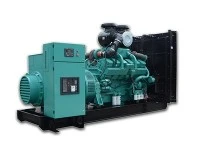
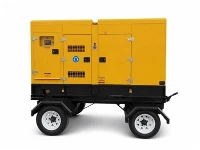
Let’s talk about the types of generators out there, because that changes things too. If you’re looking for a whole-home setup, you’re probably in the market for something like our Generator 11kW, which is big enough to power most of your essential systems—heating, fridge, lights, sump pump—during an outage. For smaller setups, like powering a few key appliances in a tight space, we have the 2kVA Generator Diesel, which is compact and easy to place. But no matter which size you go with, installation is key. Our 12000 Watt Diesel Generator is another popular pick for folks who need a bit more power, but even with a higher wattage, getting the electrical connections right is critical. We’ve had customers come to us after trying to install a generator themselves, and they end up needing us to fix messy wiring or incorrect setups that could have been avoided. It’s way more expensive to fix a botched DIY job than it is to pay for a pro install from the start.
I should also mention warranties here. Most generator manufacturers require professional installation to keep your warranty valid. If you install it yourself and something breaks within the first year, you might be on the hook for repairs because the manufacturer can say the installation was the problem. That’s a big one—warranties aren’t free, and you don’t want to lose coverage over a DIY install. We stand behind all our generators, but we also stress that professional installation is required to keep that warranty intact. It’s not a random rule—it’s to make sure the generator is set up correctly, so it works as intended, and so you’re covered if something does go wrong.
Wait, let’s not forget about maintenance. A pro installer isn’t just there on day one—they can also set up a regular maintenance schedule, which keeps your generator in top shape. Things like changing the oil, checking the fuel filter, testing the battery—all those little things that make sure your generator starts when you need it. A lot of DIYers forget maintenance, and their generator sits unused for months, then dies when the power goes out. Our 8.5 KVA Diesel Generator, for example, is designed to run reliably, but only if it’s cared for properly. A pro can help you with annual check-ups so you never have to stress about your generator failing during a storm.
Is there any case where DIY installation makes sense? I guess if you’re a licensed electrician with experience installing generators, and you’re familiar with local codes and CO safety standards—then maybe. But for the average homeowner, that’s not most of us. Even if you watch every YouTube video and read every blog post, you don’t have the hands-on experience to catch all the small, dangerous mistakes that could come up. Why risk your safety, your home, and your expensive generator just to save a few bucks upfront?
Here’s the thing: the whole point of an emergency generator is to give you peace of mind when the power is out. If you’re stressing about whether you installed it right, whether it’s safe, whether it’ll work when you need it—you’re not getting that peace of mind. Professional installation takes that stress off your plate. The installer will handle all the permits, all the wiring, all the safety checks, and they’ll make sure everything is up to code. Then, when a storm hits and the power goes out, you can sit back, relax, and know your generator is going to kick on like it’s supposed to.
Let’s be real—no one plans for power outages, and they always seem to hit at the worst time. Last winter, we had a customer who installed their generator DIY. They thought they’d done everything right, but when a 3-day blizzard hit, their generator wouldn’t start because the wiring was connected wrong. They were stuck without heat, and their pipes froze and burst. That ended up costing them way more than a pro installation would have, plus they had to deal with the hassle of fixing their pipes and replacing the damaged drywall. It’s a story we hear way too often.
If you’re in the market for a generator, we’ve got options for every home and budget. Whether you need a compact unit like our 6kVA Diesel Generator for a small home or a whole-home setup, we’ve got you covered. And when you’re ready, we can connect you with licensed installers who know our generators inside and out, so you can be sure the job is done right.
At the end of the day, emergency preparedness is about being smart, not cutting corners. A generator is an investment in your home, your family’s safety, and your peace of mind. Don’t let a DIY installation turn that investment into a headache or a hazard. Professional installation isn’t just a service—it’s a way to make sure your generator works when you need it most.
If you’re ready to pick out the right generator for your home, or you have questions about installation options, reach out to us. We’re here to help you every step of the way.
References:
- Centers for Disease Control and Prevention (CDC). (2022). Carbon Monoxide Poisoning From Generators. Retrieved from cdc.gov/co/faqs_generators.htm
- Electrical Safety Foundation International (ESFI). (2023). Generator Safety: Avoid Backfeeding and Other Electrical Hazards. Retrieved from esfi.org/safety-tips/generator-safety
- International Code Council (ICC). (2021). International Residential Code (IRC) for Emergency Generator Installation. Retrieved from iccsafe.org/code-resources/international-residential-code/