Hey there! I'm a supplier from a generator manufacturing company. And today, I wanna chat with you about whether generator manufacturers have a quality assurance department.
Let me tell you straight away, yes, we absolutely do! A quality assurance (QA) department is like the backbone of our generator manufacturing business. It's crucial for ensuring that the generators we produce meet the highest standards of quality and reliability.
So, what does our QA department do exactly? Well, first off, they're involved right from the start of the production process. Before any component of a Silent Automatic Transfer Diesel Generator or other types of generators is manufactured, the QA team reviews the design plans. They make sure that the design is not only functional but also takes into account factors like durability, efficiency, and safety.
During the manufacturing phase, the QA department keeps a close eye on every step. They conduct regular inspections of the raw materials that come in. This is super important because even the slightest defect in the raw materials can lead to problems in the final product. For example, if the steel used in the generator frame is of poor quality, it might not be able to withstand the normal wear and tear, which could cause the whole generator to malfunction.
Once the components are being assembled, the QA team is there to check the assembly process. They verify that all the parts are being put together correctly, that the electrical connections are secure, and that there are no loose screws or other small but potentially dangerous issues. They use a variety of tools and techniques for these inspections, like visual checks, measuring devices, and even some high - tech testing equipment.
After the assembly is complete, the generators go through a series of rigorous tests. For an Automatic Transfer Power System Diesel Generator, they'll test the automatic transfer system to make sure it switches on and off seamlessly when there's a power outage or restoration. They'll also test the generator's power output, to ensure that it can supply the right amount of electricity consistently.
The QA department doesn't just focus on the technical aspects, though. They also pay attention to the noise levels of the generators. In today's world, people don't want noisy generators, especially in residential areas. That's why they test the Low Noise Automatic Transfer Diesel Generator to make sure it meets the noise reduction standards. They might use special sound - measuring equipment to check if the noise levels are within the acceptable range.
Another important aspect of the QA department's work is dealing with quality control issues. If they find a problem during the testing or inspection process, they'll immediately stop the production line. They'll then work with the production team to figure out what went wrong. Maybe it's a problem with a particular machine, a mistake in the assembly instructions, or a bad batch of raw materials. Once they identify the root cause, they'll come up with a solution to fix it.
The QA department also plays a role in customer satisfaction. They collect feedback from customers who have bought our generators. If a customer reports a problem with an Automatic Control Transfer Diesel Generator, the QA team will investigate it. They'll analyze the data from the generator, if possible, and see if there's a recurring issue. Based on this feedback, they can make improvements to the manufacturing process or the design of the generators.
In addition to all this, the QA department is responsible for maintaining all the quality - related documentation. They keep records of all the inspections, tests, and any quality control issues that have been identified and resolved. This documentation is not only important for internal purposes but also for meeting regulatory requirements. Many countries have strict regulations regarding the quality and safety of generators, and having proper documentation is essential to prove that our generators comply with these regulations.
Now, I know some of you might be thinking, "That all sounds great, but how does it actually benefit me as a buyer?" Well, having a quality assurance department means that you can trust the generators you're buying from us. When you purchase an Auto Start Transfer Diesel Generator or any other type of our generator, you can be confident that it's been thoroughly checked and tested. You're less likely to encounter problems with the generator breaking down or not working as expected. This saves you time and money in the long run, because you won't have to deal with expensive repairs or replacements.
Also, a high - quality generator is more efficient. It'll use less fuel to produce the same amount of power, which means lower operating costs for you. And let's not forget about safety. Our QA department's strict safety checks mean that the generators are less likely to pose a fire hazard or other safety risks.
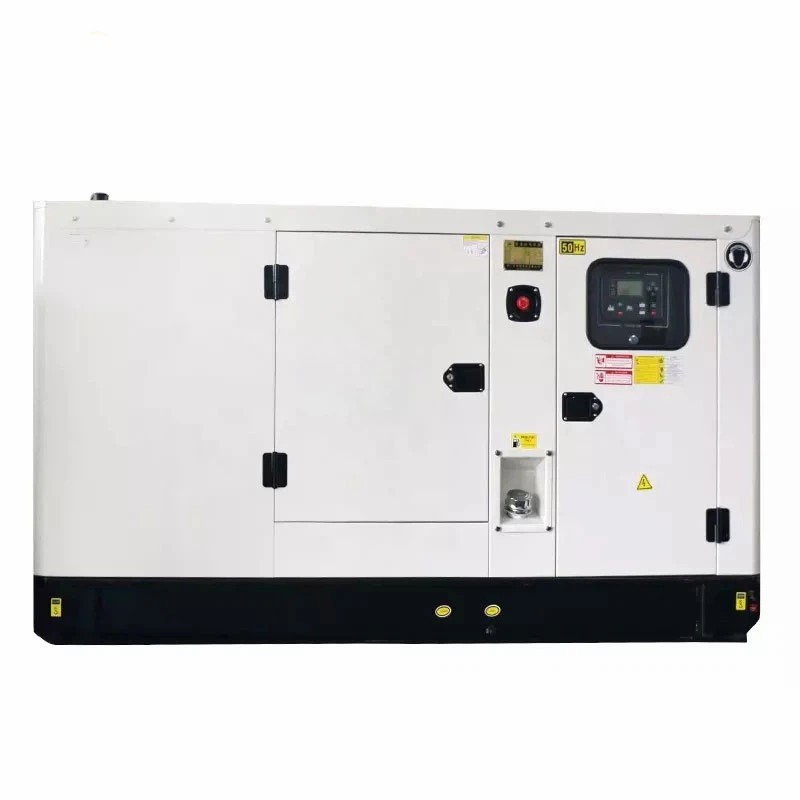

If you're in the market for a generator, whether it's for your home, business, or industrial use, I highly recommend considering our products. We've put a lot of effort into building a top - notch quality assurance department, and we're proud of the high - quality generators we produce.
If you have any questions about our generators or want to discuss a potential purchase, don't hesitate to reach out. We're always happy to talk to potential customers and help you find the right generator for your needs.
References
- General knowledge of generator manufacturing and quality control processes.
- Industry best practices for quality assurance in manufacturing.