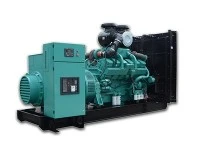
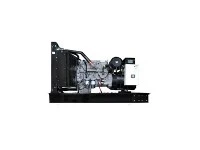
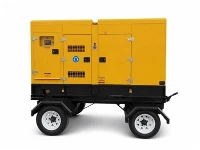
If you’ve ever walked the floor at a commercial construction expo, sat through a panel on critical infrastructure resilience, or even answered a client’s panicked call about a data center power outage, you know gensets are far more than just backup equipment. As a supplier of gensets for sale, I’ve lost count of how many times I’ve heard, “I need a genset—where do I even start?” The question sounds simple, but it’s layered with factors that go far beyond “pick one online and check out.” Over the past eight years in this space, I’ve helped small business owners, hospital facilities managers, and industrial operators work through the chaos of choosing, sourcing, and installing the right unit for their needs. Today, I’m pulling back the curtain on what it actually means to start a genset for sale journey—no fluff, just the practical, science-backed steps I walk every customer through, plus the insights I wish I’d had when I first learned the trade.
First, let’s hit the pause button on inventory. I see so many buyers (even seasoned ones) jump straight to browsing models before they define their core requirements—and that’s where mistakes happen. Gensets aren’t one-size-fits-all; a 10kW unit for a small coffee shop won’t keep a mid-sized manufacturing plant running during a grid outage, and a high-voltage unit meant for utility-scale use is overkill for a residential backup. The first step is to map your power needs with granularity, not just a rough estimate. Start by auditing your critical loads: list every piece of equipment that can’t go offline, assign a wattage to each, and account for starting power. Here’s the tricky part: most electric motors (which run everything from HVAC systems to conveyor belts) draw 2–3 times their running wattage when they first kick on. If you skip calculating that starting surge, you’ll end up with a genset that trips the second your largest motor engages.
Once you have a clear load count, you need to match it to voltage requirements—and this is where high-voltage options like the High Voltage Diesel Generator come into play for larger operations. I can’t tell you how many small to mid-sized industrial customers I’ve consulted with who assume their only option is low-voltage units, only to realize a high-voltage genset cuts down on energy loss during long-distance runs, reduces installation costs for heavy machinery, and supports larger critical loads without adding extra units. For example, a construction site with multiple tower cranes and temporary office trailers might need a unit that handles high voltage to power heavy equipment spread across a wide area. For commercial buildings and small industrial facilities, medium-voltage or lower-voltage units work well, but for utility-scale or large manufacturing, stepping into high-voltage is a game-changer. If you’re dealing with projects that require robust, grid-compatible power, options like the 6.6kv Diesel Genset and 6.6kV Diesel Generator are engineered for reliability in high-demand settings, so I always highlight these when a customer’s load leans heavily into industrial or commercial critical needs.
Next, you need to align with emission and fuel compliance rules—and this is non-negotiable, especially if you’re purchasing a genset for permanent installation. Where I’m based, and in most regions globally, gensets are classified as stationary internal combustion engines, so they have to meet strict EPA (or local equivalent) standards for nitrogen oxide (NOx), particulate matter, and other pollutants. I once had a customer in a dense urban neighborhood buy a cheap, uncertified genset without checking local emissions laws, and they were hit with a $12,000 fine within three months. Ouch. Beyond emissions, you also need to think about fuel availability. Diesel is the most common fuel for gensets because it has a high energy density, is easy to store, and works reliably in cold and hot temperatures. But if you’re in an area with limited diesel access, or looking for a more sustainable long-term option, there are biodiesel-compatible and hybrid models to consider. For high-voltage applications, like powering a small industrial park, choosing a model like the 30Kv Generator that’s compatible with standard diesel or biodiesel blends can simplify compliance and reduce long-term fuel logistics. If your project is in a rural area where power needs are consistent and spread out, the 11kv Diesel Generator is another popular option because it balances power output with fuel efficiency for medium-sized, remote loads.
Now that you’ve narrowed down your power, voltage, and compliance needs, it’s time to vet suppliers—and not all gensets for sale are created equal. I’ve seen customers fall for “too good to be true” deals on generic units that break down after a year, with no parts support or service network. When vetting a genset supplier, here are four non-negotiables I always recommend:
First, check the original equipment manufacturer (OEM) backing. Gensets are complex machines with engines, alternators, control systems, and fuel systems—cheap knockoffs cut corners on component quality. A reputable supplier will source units from certified OEMs, and will provide clear documentation for every part, from the engine block to the voltage regulator. For example, when I recommend high-voltage models to clients, I only work with suppliers who offer OEM certification for units like the High Voltage Diesel Generator line, because these require specialized engineering that generic units can’t match.
Second, verify after-sales support. A genset that can power your hospital during a storm is useless if it can’t be fixed in 24 hours when it breaks. Ask the supplier about their service network: do they have local technicians trained on the specific models they sell? Do they keep replacement parts in stock locally, or do you have to wait weeks for a part to ship from overseas? I once had a client whose local supplier couldn’t get a replacement alternator for their medium-voltage genset for six weeks, leading to costly downtime for their warehouse. That’s when I made it a rule to only partner with suppliers that have a 48-hour parts delivery guarantee for emergency repairs.
Third, understand the warranty terms. Most quality gensets come with a 2–5 year bumper-to-bumper warranty, but the fine print matters. Does the warranty cover labor, parts, and on-site service? Is it pro-rated, or does it cover full cost for repairs during the warranty period? Does it apply to both commercial and residential installation? I’ve seen suppliers advertise a 5-year warranty that only covers parts, not labor, which ends up costing customers thousands in service fees when something goes wrong.
Fourth, ask about testing and certification. A reputable supplier will not sell a genset that hasn’t been load-tested to confirm it meets its power and voltage claims. For high-voltage units like the 6.6kV Diesel Generator, load testing is especially critical because high voltage carries unique risks if not calibrated correctly. All units should also have safety certifications from organizations like UL, CSA, or CE, depending on your region.
Once you’ve selected your genset, the next step is planning for installation and ongoing maintenance—and this is where many buyers cut corners, leading to avoidable breakdowns. Installation can’t be an afterthought; if a genset is installed incorrectly, it can cause power surges that damage your equipment, or fail to start when you need it most. I recommend working with a licensed electrician who has specific experience with genset installation, not just a general electrician. Gensets require dedicated fuel lines, ventilation (to prevent carbon monoxide buildup, which is a silent killer—never install a genset indoors, even in a garage), and a transfer switch that automatically cuts off grid power when the genset activates. For high-voltage units, installation is even more specialized: the electrical connections have to be calibrated to handle high voltage without leakage, and the foundation has to be reinforced to support the unit’s weight (which can be several tons for high-output models). For example, a 30Kv Generator requires a reinforced concrete foundation and professional voltage calibration, so I always advise clients to budget for specialized installation, not just the cost of the unit.
Ongoing maintenance is just as important as installation. A genset that’s never used for years will often fail to start when the grid goes down, because fuel can go bad, batteries can corrode, and moving parts can seize up. Most maintenance plans recommend monthly test runs (under load, not just idling), quarterly oil and filter changes, and annual full system inspections. Many suppliers offer pre-paid maintenance plans when you purchase a genset for sale, which can save you money and ensure your unit is serviced by trained technicians. I can’t stress enough how crucial these test runs are: I had a hospital client once who skipped annual maintenance, and their genset’s fuel injector was clogged when a winter storm knocked out power, leaving their emergency rooms without backup. That’s the kind of risk you just can’t take.
Now, let’s talk about common mistakes I see first-time buyers make, because avoiding these will save you time, money, and stress. The first mistake is buying a genset that’s too small. I can’t tell you how many clients come to me saying, “I calculated my load is 50kW, so I’ll buy a 50kW unit” only to realize they forgot the starting power surge for their biggest motor, which is 30kW alone. A general rule of thumb is to add 20–25% to your total running load to account for starting surges, but for industrial motors or large HVAC systems, you may need to add 30%. Another common mistake is ignoring future needs. If you’re expanding your business in the next 3–5 years, don’t buy a genset that only meets your current load—buy one that has extra capacity so you don’t have to replace it. For example, a small manufacturing plant that’s planning to add a new conveyor belt line in two years should look at a 11kv Diesel Generator that has enough extra capacity to handle the new load, rather than a smaller unit that will need to be replaced.
Another mistake is choosing the cheapest option. I’m not saying you have to pay top dollar, but if a genset is priced 30% lower than the market average, there’s almost always a reason. It could be a used unit with worn parts, an uncertified model that doesn’t meet compliance standards, or a supplier that offers no after-sales support. I once had a small business owner buy a cheap genset from a online marketplace, and within six months, the alternator failed. The supplier went out of business, and he had to pay $8,000 to replace the unit—more than he saved on the initial purchase.
If you’re at the point where you’re ready to move forward, here’s my final piece of advice: don’t be afraid to ask questions. Gensets are complex, and a good supplier will take the time to walk you through every step, from load calculation to maintenance plans. When you’re browsing gensets for sale, look for detailed specifications, customer reviews that mention reliability and service support, and clear information about compliance and testing. If you’re considering high-voltage options for a larger project, like powering a multi-story commercial building or industrial facility, explore lines like the High Voltage Diesel Generator family, including the specialized 6.6kv Diesel Genset and 6.6kV Diesel Generator units, or the 30Kv Generator for medium to high-output needs, and the 11kv Diesel Generator for reliable medium-range power.
At the end of the day, buying a genset isn’t just a purchase—it’s an investment in resilience for your business or facility. Whether you’re a small café looking to avoid downtime during a power outage, a hospital needing to keep life-saving equipment running, or a manufacturing plant protecting your production line, the right genset will give you peace of mind that you’re covered when the grid fails. If you’re ready to start exploring gensets for sale, I encourage you to reach out for a detailed consultation tailored to your specific needs—we can walk through load calculations, voltage requirements, compliance, and maintenance plans to make sure you get exactly what you need, no surprises.


References
- National Fire Protection Association. (2022). Standard for Stationary Diesel Generator Systems. NFPA 110.
- U.S. Environmental Protection Agency. (2021). Emission Standards for Stationary Internal Combustion Engines.
- International Electrotechnical Commission. (2020). Standard for High-Voltage Diesel Generator Sets. IEC 60034.
- Department of Energy. (2022). Backup Power Systems for Commercial and Industrial Facilities: Best Practices.