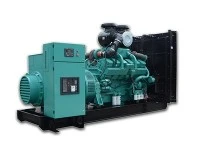
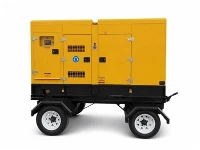
Hey there, if you’re running a business that relies on industrial power—like a manufacturing plant, a construction site, or even a data center—you know a diesel generator isn’t just a backup, it’s your lifeline when the grid goes down. But here’s the thing: buying a unit (whether it’s a 200kVA Diesel Generator, an Open Type Diesel Generator for consistent, heavy-duty runs, or a smaller 15kW Diesel Generator For Sale for compact setups) is only half the battle. The other half is actually maintaining it right to make sure it fires up when you need it, no excuses. I’ve been selling industrial gensets for years, and I can’t tell you how many times I’ve heard horror stories of generators failing because the owner skipped basic tasks. Let’s break down the common maintenance tasks that’ll keep your unit running smooth, from the big stuff to the tiny, easy-to-miss details.
First up—weekly checks. Yeah, it sounds like a chore, but spending 15 minutes a week can save you thousands in repairs later. What do you need to hit here? Let’s start with the fuel level. Old diesel goes bad fast—like, within 30 days if it’s not treated right. Even if your generator’s just sitting, condensation can build up in the tank, too, which leads to water in the fuel. I always tell customers to top off the tank when it’s low and add a fuel stabilizer if the unit’s gonna be idle for more than a month. Next, check the battery. Generators need a charged battery to crank, right? If you notice the terminals are corroded (that white crusty stuff), clean it off with a baking soda and water mix, and make sure the connections are tight. Also, give the exterior a quick once-over—look for any leaks (fuel, oil, coolant), make sure there’s no debris piled around the unit (leaves, dirt, trash can block ventilation and cause overheating), and check the air intake vents—if they’re clogged, the engine can’t breathe.
Then there’s monthly maintenance, which is a little more involved than weekly. First, run the generator for at least 30 minutes, even if the power’s on. A lot of people think, “Why waste fuel if we don’t need it?” But running it under load for a bit (or at least at partial load) keeps the fuel system clear, prevents carbon buildup in the engine, and ensures all parts are lubricated properly. While it’s running, listen for any weird noises—grinds, knocks, or squeals that weren’t there before. Those are red flags. While the generator’s off (and cool, safety first!), check the oil level. You gotta use the right grade of oil for your unit—check the manual, but most industrial diesels use 15W-40 or something similar. If the level’s low, top it up, but don’t overfill it—that can cause leaks or damage. Also, check the coolant level (if your unit is liquid-cooled, which most industrial ones are) in the overflow tank. If it’s low, add a 50/50 mix of coolant and distilled water—tap water has minerals that can gunk up the radiator. And don’t forget to check the air filter—pull it out, tap it gently to remove loose dirt, and if it’s super dirty, it’s time to replace it. A clogged air filter kills fuel efficiency and engine performance.
Now, let’s get into quarterly maintenance. This is where you tackle tasks that are a bit more hands-on, maybe need a simple tool kit. First, change the oil and oil filter. I know, it’s a pain, but old oil loses its lubricating properties and can wear out engine parts fast. How often? Most manufacturers recommend every 100-250 hours of run time, or every 3 months, whichever comes first. If you’re running the generator in dusty conditions (like construction sites), you might need to do it more often. While you’re at it, change the fuel filter, too. Fuel filters catch dirt and debris, and when they’re clogged, they restrict fuel flow, making the engine sputter or die. You’d be surprised how many genset failures are from a dirty fuel filter—way more than people realize. Also, check the belts and hoses. Look for cracks, fraying, or bulges in the belts (they drive the alternator and water pump), and make sure they’re tight—if a belt breaks mid-generator run, that’s a total disaster. Hoses, same thing—check for soft spots, leaks, or blisters. If a hose bursts, coolant leaks out, and the engine overheats in minutes. Another quarterly task: test the automatic transfer switch (ATS). The ATS is what switches your building from grid power to generator power when the grid goes down. You need to make sure it works, so trigger a test run (most ATS units have a test button) and confirm the switch transfers smoothly without any errors. If your unit is a bit bigger, like a 50kVA Diesel Generator or Genset 25kVA, this test is even more important because a delayed switch could cost you big time.
Then there’s semi-annual and annual maintenance—these are the deep dives that should be done by a trained technician, but it’s good to know what they’re checking. Every 6 months, the tech should do a load test. That’s when they apply a load (using a load bank) to the generator to make sure it’s operating at its full rated capacity. This isn’t the same as just running it for 30 minutes—load testing simulates a real power outage where your entire facility is running off the generator. If it can’t handle the load, you’ve got a problem that needs fixing before an actual outage hits. They’ll also check the fuel system for leaks—inspect the lines, injectors, and pump. Diesel injectors are pricey, so keeping the fuel system clean and leak-free is key. Every year, the technician will replace things like the coolant (if it’s time—most coolants last 2-5 years, depending on the type), check the spark plugs (wait, diesel engines don’t have spark plugs—they have glow plugs, right? So check those, especially if you’re in cold climates where they help start the engine), and inspect the exhaust system for leaks or corrosion. Leaky exhaust can let fumes into the engine room, which is a safety hazard (carbon monoxide is no joke) and can reduce performance. Also, they’ll check the insulation on the electrical connections to make sure there’s no wear that could cause shorts.
Wait, let’s not forget about seasonal maintenance, especially if you live in a place with extreme weather. For cold climates, you need to make sure the fuel doesn’t gel—winter diesel (which has a lower cloud point) is a must, and adding a anti-gel additive when you top up the tank. Also, make sure the battery is rated for cold starts—cold weather kills battery power, so if your battery is more than 2 years old, replace it before winter hits. For hot climates, make sure the cooling system is working properly—overheating is a big issue in high temps, so clean the radiator fins to remove dirt and debris, and check that the fan is working right.
I’ve seen customers skip these tasks and end up stranded. Last year, a construction client of mine had a 200kVA Diesel Generator that they’d bought from someone else, and they never did any maintenance. When a storm knocked out power, the generator wouldn’t start—turns out the fuel filter was completely clogged with dirt, and the battery was dead. They had to rent a temporary generator at a huge cost, plus they lost money on construction delays. That’s why doing regular maintenance isn’t just about keeping the generator alive—it’s about protecting your bottom line.
Now, I know some of you are thinking, “This sounds like a lot.” But here’s the thing: it’s way easier to do these tasks on a schedule than to deal with a broken generator when you need it most. Even if you don’t want to do it yourself, the good news is that when you buy a unit from us (whether it’s an Open Type Diesel Generator for your warehouse, a small 15kW Diesel Generator For Sale for a rental business, or a 50kVA Diesel Generator for a hospital), we can help with maintenance plans, or connect you with trusted technicians who know our gensets inside and out.
If you’re in the market for a new industrial diesel generator, or you have an existing unit that’s been neglected and needs a checkup, reach out to our team. We don’t just sell gensets—we help you keep them running for years. Don’t wait for a power outage to realize your generator isn’t ready.

References:
- Industrial Diesel Generator Maintenance Best Practices, National Electrical Manufacturers Association (NEMA), 2023.
- Diesel Generator Operation and Maintenance Manual, International Organization for Standardization (ISO 8528), 2021.
- Cold Weather Genset Maintenance Guidelines, Engine Manufacturers Association (EMA), 2022.
- Annual Load Testing Requirements for Standby Power Systems, Occupational Safety and Health Administration (OSHA), 2023.