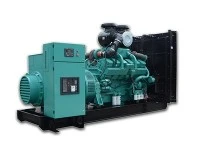
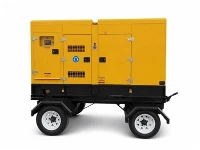
Hey there, if you’re working with or rely on a 6.6kv diesel genset, you already know how critical these high-voltage workhorses are for keeping operations up and running—whether it’s a factory backup, a data center fail-safe, or a remote mining site that can’t afford downtime. As a supplier of these units, we’ve seen too many businesses cut corners on regular checks and end up dealing with frustrating, costly breakdowns when they least expect it. Today, I’m walking you through a realistic, step-by-step routine we recommend for keeping your 6.6kv diesel genset in top shape, no jargon, no fancy fluff—just what actually works.
First, let’s get one thing straight: a 6.6kv unit isn’t the same as a smaller residential or low-voltage genset. The higher voltage means tighter tolerances, more sensitive electrical components, and bigger, more powerful engines that demand consistent care. If you’re dealing with a bigger project, you might also look at our 11kv Diesel Generator line for higher capacity needs, but today we’re laser-focused on that 6.6kv workhorse you have. Let’s break this down into regular, manageable checks—we’ll split them into daily, weekly, monthly, quarterly, and annual tasks so it fits your schedule, not the other way around.
Starting with daily checks. These are quick, 5-minute tasks you or your ops team can do before a shift starts or at the end of the day—no tools needed, just a good eye and a sense of what’s normal. First, walk around the unit and do a visual check for leaks. Diesel gensets have plenty of fluids: fuel, engine oil, coolant, hydraulic fluid (if it’s a bigger unit), and even oil for the alternator. A tiny diesel leak might not seem like a big deal, but over time it can damage wiring or cause a fire hazard—plus, it’s wasteful. Look under the unit for puddles, or around the hoses and valves for dampness. Pro tip: if you spot a fresh leak, take a quick photo and note where it is so you can troubleshoot later, or reach out to your supplier if it’s something you’re not sure about.
Next, check the voltage and frequency output. Your 6.6kv unit is built to put out that exact voltage, and frequency should be 50Hz (or 60Hz, depending on your region—just check your unit’s manual to confirm). Most modern gensets have a digital display right on the control panel, so this is super easy. If the voltage is bouncing way above or below 6.6kv, or frequency is off by more than 1-2%, that’s a red flag. It might be a loose connection, a dirty alternator brush, or a fuel issue, so don’t ignore it. You can also cross-reference this with our High Voltage Diesel Generator 6.6kV spec page to make sure your readings are within the factory-approved range—every unit leaves our facility calibrated, so if you’re way off, something’s changed.
Then, listen to the unit run (even if it’s not running now, listen for any unusual sounds when it starts, or make sure it sounds normal at idle). A healthy 6.6kv diesel genset has a steady, low rumble. If you hear knocking, grinding, hissing, or squealing, that’s not right. Knocking could be engine wear, hissing might be a leak in the exhaust system, and squealing often points to a worn belt. Again, jot that down for your next service check—catching these small noises early saves you from a bigger engine repair down the line.
Last daily task: check the fuel level and fuel quality. Diesel goes bad if it sits too long, especially in humid or hot conditions. If your fuel tank is less than ½ full, top it off if you can—air in the tank leads to condensation, which contaminates diesel and clogs filters. If you notice your fuel has a cloudy look or a sour smell instead of that fresh diesel odor, that’s bad news—you’ll need to drain it and refill with fresh fuel. Contaminated fuel is one of the top causes of genset failure, so this is non-negotiable.
Moving on to weekly checks. These take a bit more time, maybe 15-20 minutes, and they tackle areas you don’t need to check every day. First, inspect the air filter. The air filter keeps dirt, dust, and debris out of the engine, and for a 6.6kv genset that’s running heavy loads, a dirty filter kills fuel efficiency and reduces power. Most air filters have a pressure gauge on them that will show if it’s clogged, but if not, you can pull it out and tap it gently against a hard surface to shake loose dirt—just don’t use compressed air at too high a pressure, that can damage the filter. If it’s extra dirty or looks torn, replace it. We recommend keeping spares on hand, especially if your genset is in a dusty environment like a mine or construction site.
Next, check the battery. Gensets need a strong battery to start, especially if they’re sitting idle for long periods. Look at the battery terminals—are they clean, or covered in white corrosion? If there’s corrosion, mix a little baking soda and water (1 tbsp baking soda per cup of water) and use an old toothbrush to scrub it off, then rinse with plain water and dry. Corrosion adds resistance, making it harder for the battery to turn over. Also, check the battery voltage—should be around 12.6V for a 24V system (common on big diesel gensets) when not running. If it’s below 12V, that means it’s not holding a charge, and you’ll want to replace it before it fails when you need it most.
Also, do a quick check of the exhaust system. Look at the exhaust pipe and muffler for rust, cracks, or loose connections. A leak in the exhaust isn’t just bad for the environment—it lets carbon monoxide seep into the genset room, which is a huge safety risk. Make sure all clamps are tight, and if you see any rust that’s pitting the metal, take note to replace parts before they break.
Monthly checks are a bit more in-depth, around 30 minutes, and they’re about diving into the systems that keep your genset running reliably month after month. First, test the emergency start function. You never know when the grid will go down, so you need to know your genset will start when you hit the button. Turn off the utility power (or simulate a blackout, if you’re comfortable), let the genset start, run it for 10-15 minutes, and check all the key metrics: oil pressure, coolant temperature, voltage, and frequency. Once you’re sure it’s running smoothly, turn it off and let it cool down for a few minutes before restarting grid power. If it won’t start, or if metrics are off, that’s a sign you need to dig deeper—maybe the fuel filter is clogged, or the battery is weak, which we checked weekly but might need more attention now.
Next, change the engine oil and oil filter. Wait, hold on—don’t just go by a generic timeline. We recommend changing oil every 200-250 running hours, but if your genset runs in dusty conditions or heavy loads, you might need to do it more often. Monthly checks are a good time to track running hours (your control panel will show this) so you don’t miss the oil change window. When you change the oil, make sure to use the right viscosity for your unit—check the manual or our 6.6kV Electric Power Generator specs to get the correct oil type. Old oil is full of metal shavings and contaminants that wear down your engine, so this is one of the most important monthly tasks.
Also, check the coolant level and condition. Coolant keeps your engine from overheating, and if it’s mixed with water, it can cause corrosion. The level should be between the “low” and “high” marks on the coolant reservoir when the engine is cool (never open the radiator cap when it’s hot—you’ll get burned). If you need to add coolant, use a 50/50 mix of ethylene glycol and distilled water, not straight water, which can cause freezing or overheating. Also, check the coolant’s color—most good coolant is green, orange, or red, and if it looks murky or has rust in it, it’s time to flush and replace it.
Quarterly checks (every 3 months, or every 500 running hours, whichever comes first) are for bigger systems that need a closer look. First, inspect the alternator and electrical connections. The alternator is what produces that 6.6kv power, so it needs to be in top shape. Turn off the genset and disconnect the power to be safe, then check all the electrical wires, terminals, and bus bars for tightness. Vibration from the engine can loosen connections over time, which leads to voltage drops or even electrical arcing (a fire risk). Also, check the alternator brushes—if they’re worn down to less than ¼ inch, they need to be replaced. If you’re not comfortable working with high-voltage components, this is a perfect time to call a qualified technician or reach out to our team for support.
Next, test the transfer switch. The transfer switch is what switches your facility from grid power to genset power automatically, and it needs to work every time. Do a test run: simulate a grid outage, make sure the genset starts, the transfer switch flips over, and power is supplied to your loads, then flip back when grid power is restored. If the switch hesitates, doesn’t flip, or causes a power blip, that’s a problem—you might need to adjust the timing or replace parts in the switch. A bad transfer switch means your genset is useless when you need it to kick in fast.
Also, inspect the fuel injection system. The fuel injectors spray diesel into the engine cylinders, and if they’re clogged or misfiring, your engine will lose power, burn more fuel, and even damage the cylinders. You can check for signs of injector issues: black exhaust smoke, rough idle, or lower fuel efficiency than normal. If you spot any of these, have a technician test the injectors—usually, a quick cleaning or replacement fixes it.
Finally, annual checks (once a year, regardless of running hours) are the big ones that keep your genset compliant, safe, and ready for the long haul. First, do a full service by a certified tech. This includes everything we’ve covered in daily, weekly, monthly, and quarterly checks, plus a few extra tasks: calibrating the voltage regulator, testing the load bank (to make sure the genset can handle its full 6.6kv load without issues), and inspecting the crankshaft for wear. A load bank test is especially important for high-voltage units because it simulates a full power demand and catches problems you wouldn’t see at idle or low load.
Also, do a complete system audit. Check for any updates or recalls on your 6.6kv genset—manufacturers often release software updates or part replacements for safety issues, and you don’t want to miss out. This is also a good time to replace parts that might be near the end of their life: belts, hoses, seals, and gaskets. Cracking or dry-rotted hoses can burst at any time, so replacing them annually is cheaper than a major leak repair.
Wait, before we wrap up, a few pro tips from our team that we’ve learned from working with hundreds of 6.6kv genset owners. First, keep a detailed log of every check, every repair, and every part change. If you have a problem a year from now, that log will tell you exactly when you changed the oil, replaced the fuel filter, or noticed a small leak—this makes troubleshooting way faster and cheaper. Second, don’t skip checks just because your genset seems to be running fine. A lot of the time, small issues don’t show up until you need the genset for an emergency, and that’s when you don’t want to deal with it. Third, if you’re expanding your power needs, take a look at our High Voltage Diesel Generator lineup—we have options from smaller 6.6kv units to higher-capacity models, and our team can help you pick the right fit for your project.


At the end of the day, regular checks aren’t just about keeping your genset running—they’re about protecting your operations, your team, and your bottom line. We’ve seen businesses save thousands of dollars by catching a clogged filter or loose electrical connection early, versus dealing with a full engine overhaul or downtime that costs them customers. If you have questions about any of these checks, need help sourcing genuine parts for your unit, or are looking to upgrade or add a new 6.6kv Diesel Genset to your setup, we’re here to help. Reach out to our team to talk through your specific needs, and we’ll make sure you have everything you need to keep your power reliable.
References
- "High Voltage Diesel Generator Maintenance Guidelines." AB Industrial Power Systems, accessed 2024.
- "6.6kv Diesel Genset Operational Safety and Performance Protocols." Global Power Equipment Association, 2023.
- "Diesel Generator Fluid Management Best Practices." National Fuel and Energy Institute, 2022.