When you’re hitting the open road in your RV, the last thing you want is to be stuck in a remote campground, a sudden rainstorm, or a dusty pull-off without power. As an emergency generator supplier who’s worked with thousands of RV owners over the past decade, I’ve heard every power-related horror story: a family’s refrigerated meds spoiling during a 48-hour storm in the Rockies, a new RV owner unable to run their AC after dark on a hot Texas summer evening, and even a group of snowbirds forced to huddle in their motorhomes during a winter power outage in Arizona. The good news? Picking the right emergency generator for your RV doesn’t have to be a guessing game. It’s about matching your power needs to a unit that’s durable, easy to transport, and reliable when you need it most. Let’s break down the key factors, clear up common myths, and point you toward the best options for your RV lifestyle.
First, let’s get one critical rule straight: “best” isn’t about the biggest or most expensive generator—it’s about the right size for your specific RV set-up. Too small, and you’ll overload it mid-cruise; too big, and you’ll be lugging around extra weight you don’t need, burning more fuel than necessary, and paying for capacity you’ll never use. So how do you figure out what size you need? Start by adding up the running wattage of every appliance you can’t live without. That includes your RV’s air conditioner (which usually draws between 13,500 and 15,000 starting watts and 4,500 to 5,500 running watts), fridge, microwave, water heater, space heater, and any electronics like laptops, TVs, or Wi-Fi routers. Add a 10 to 15 percent buffer for startup surges—those brief spikes when motors kick on, which are the biggest cause of generator overloads. For most small to mid-sized travel trailers and Class B motorhomes, that buffer lands around 6,000 to 7,500 watts. For larger Class A motorhomes or full-time RVers with multiple AC units, that number jumps to 10,000 to 15,000 watts.


Now, when it comes to fuel type, diesel is hands down the top choice for RV generators—and here’s why, especially for RVers who do long hauls or boondock (camp without hookups) regularly. Gasoline generators tend to be cheaper upfront, but their fuel has a much shorter shelf life. If you store gasoline for more than 30 days, it starts to degrade, clogging fuel lines and carburetors, which means you could be stuck with a dead generator when you need it. Diesel, on the other hand, can sit for up to a year or more without going bad—perfect for RVers who take extended trips, or who only use their generator a few times a year. Diesel engines also get better fuel efficiency, longer lifespans, and more torque to handle heavy loads, like when you’re running two AC units at full blast. I’ve seen this play out time and again: a customer buys a cheap gas generator for a cross-country trip, only to have it fail in the middle of the Utah desert because their old gas went bad. They come back and swap it for a diesel model, and they haven’t had an issue since.
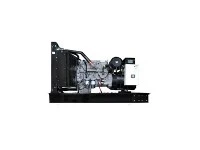
That said, not all diesel generators are created equal for RVs. Let’s talk about the most popular sizes that work for different RV types, starting with the most common pick for Class B and small travel trailers: the 6kVA Diesel Generator. A 6kVA (kilovolt-ampere) generator translates to roughly 4,800 running watts, with enough startup capacity to handle most small AC units and essential appliances. It’s compact, lightweight enough to mount in an RV compartment or haul on a hitch, and runs on diesel, so you don’t have to stress about fuel going bad. For weekend warriors or seasonal campers who only need to power a few essentials (fridge, lights, a small AC), this is a perfect fit. If you want to see the specs, including noise levels and fuel efficiency, check out the 6kVA Diesel Generator page for details tailored to RV use.
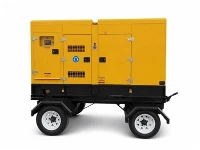
Next, if you have a mid-sized Class C or travel trailer that needs to power a single AC unit plus extra appliances (like a microwave and space heater), you’ll want to step up to a 12000 Watt Diesel Generator. At 12,000 running watts, this size has enough oomph to handle two AC units on lower settings, plus all your kitchen and climate control appliances without breaking a sweat. It’s still designed with portability in mind, with a reinforced frame and quiet operation that won’t disturb other campers at the campground. I recommend this size for most full-time RVers who don’t have a massive Class A motorhome. We’ve had customers tell us they run their AC, electric fireplace, and washing machine all at the same time with no issues on this model. For a deep dive into how it performs in real-world RV scenarios, take a look at the 12000 Watt Diesel Generator.
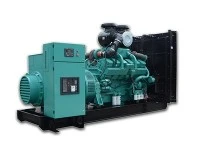
Now, what about those who have larger setups—like a Class A motorhome with two AC units, a large refrigerator, and multiple power-hungry appliances? For that, you’ll want a generator with more capacity, like a 30kw Diesel Generator. A 30kw generator translates to a whopping 30,000 running watts, enough to power every appliance in even the biggest full-time RV, plus extra tools or outdoor equipment if you’re tailgating or camping at a rally. It’s also built for durability, with a heavy-duty engine that can handle long run times without overheating, which is a must for RVers who spend weeks at a time in remote spots without hookups. The tradeoff is it’s a bit larger and heavier, so you’ll need dedicated space for it in your RV or a secure mount for towing. If you want to see how this generator stands up to the demands of full-time RV life, head to the 30kw Diesel Generator page.
Wait a second—what about those massive generators for RVs that are used for large rallies or full-time, extreme boondocking? For 99 percent of RV owners, those sizes are overkill, but I’d be remiss not to mention that if you have a super-sized setup or run a mobile RV business, a 1000kw Diesel Generator is an option. That size is more for heavy-duty commercial use, like powering multiple RVs at a group camp or running large equipment, so it’s not necessary for the average RVer. Similarly, a 125kVA Diesel Generator Set is another commercial-grade option, but again, way beyond the needs of most recreational RV use.
Now, let’s cut through the noise on some common RV generator myths. First myth: You don’t need a transfer switch. If you plug your generator directly into your RV’s outlet without a transfer switch, you risk backfeeding power into the grid. That’s not just dangerous for you—it can kill line workers who are repairing power lines in your area. Always make sure your generator is wired with a transfer switch, or hire a professional to install one correctly. Second myth: Smaller generators are always better for RVs. While portability is key, undersizing your generator will cause it to run at full power all the time, leading to premature wear and tear. It’s better to go slightly under your peak load (add that 10 percent buffer we talked about) than undersize and risk constant overload. Third myth: Diesel is too expensive for RV use. While diesel fuel is often a bit pricier than gas at the pump, the fuel efficiency and longer lifespan of diesel generators save you money in the long run, especially if you use your generator regularly. You also won’t have to deal with the cost of repairing a gas generator clogged with old fuel.
Another key feature to look for in an RV generator: noise level. Nothing kills a campground vibe faster than a loud generator running at 2 a.m. Look for models with noise ratings below 65 decibels—about the volume of a normal conversation. All the diesel generators we carry for RV use are designed with sound-dampening enclosures, so you can run them without disturbing fellow campers. Fuel efficiency is another big one: a good RV generator should get between 2 and 3 gallons of fuel per hour at half load, which means you won’t have to stop for gas (or diesel) every few hours on a long trip. Ease of use matters too—look for models with electric start, so you don’t have to pull a cord in cold weather or when you’re tired after a long day of driving.
As someone who’s been in the generator business for RVs for years, I can tell you that the best emergency generator for an RV is the one that fits your specific power needs, not the one with the most horsepower or the lowest price tag. If you’re a weekend camper with a small travel trailer, the 6kVA Diesel Generator is perfect. If you’re a seasonal or full-time RVer with a mid-sized motorhome, the 12000 Watt Diesel Generator is the sweet spot. For those with larger setups, the 30kw Diesel Generator will handle all your power needs without breaking a sweat.
At the end of the day, picking the right generator is an investment in your peace of mind on the road. No one wants their RV adventure derailed by a power outage, especially when you’re miles from the nearest hookups or repair shop. If you’re still not sure which size is right for your RV, or you want more details on any of the models I mentioned, our team of RV power experts is here to help. We understand that every RV and every trip is different, so we can walk you through your power needs, answer any questions about features like noise level or fuel efficiency, and help you find the perfect generator for your lifestyle. Reach out to us to discuss your requirements today, and let’s make sure your next road trip is powered smoothly, no matter where the open road takes you.
References:
- RV Industry Association. "Power Requirements for Recreational Vehicles." 2024.
- Diesel Technology Forum. "Advantages of Diesel Engines for Recreational Use." 2023.
- National Park Service. "Boondocking Safety and Preparedness." 2024.
- North American Camping and RV Association. "Generator Best Practices for Campground Etiquette." 2023.