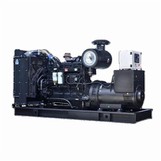
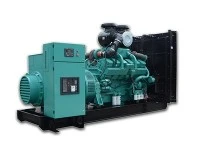
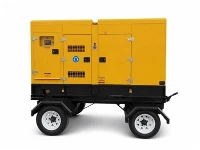
If you’ve ever been in a situation where a power outage hits a construction site, a remote event, or even a small business after hours, you know how critical a reliable backup power source is—until the noise of a standard diesel generator starts disrupting nearby neighborhoods, office spaces, or event venues. That’s where silent diesel generators come in, and as a supplier who’s worked with these units for over a decade, I’ve fielded hundreds of questions from clients asking: what exactly are the technical specs that make a silent diesel generator work? It’s not just a buzzword; those specs are the difference between a unit that’s actually quiet and one that’s just a standard generator with a loose box around it. Let’s break down the key technical details that define these units, and why they matter for your next power solution.
First, let’s start with the core component of any diesel generator: the engine, because it’s the primary source of both power and noise. Silent diesel generators use a four-stroke, direct-injection diesel engine specifically designed for low noise output, unlike the high-speed engines in portable open-frame models. Our standard line of units includes options ranging from small, portable setups to heavy-duty standby units, and each engine is calibrated for balance between fuel efficiency and sound dampening. For example, our compact 3kVA Silent Generator is powered by a 2-cylinder, air-cooled engine with a rated speed of 3000 RPM—slower than many open-frame generators, which cuts down on the mechanical noise produced by moving parts. The 4kW Silent Generator, on the other hand, uses a liquid-cooled 3-cylinder engine, which runs even smoother at lower RPMs, making it a better fit for longer runtime applications where noise is a consistent concern.
Next, the sound enclosure is the defining technical feature that separates silent generators from standard models, and it’s not just a metal box. The enclosure is built with multiple layers of sound-dampening materials, each with a specific technical purpose. The outer shell is made of heavy-gauge steel, welded to eliminate gaps that would let noise escape, and coated with a rust-resistant powder finish for durability in outdoor environments. Inside, there’s a layer of acoustic insulation—typically a combination of mineral wool and rubber foam—rated to absorb mid and high frequency noise, which is the most noticeable to human ears. But the real technical magic is in the internal baffle system: strategically placed baffles that redirect exhaust and air flow, breaking up sound waves before they can escape the enclosure. This isn’t a one-size-fits-all design; our Most Silent Generator has an extra layer of noise-canceling foam and a dual exhaust muffler system that reduces exhaust noise by an additional 5 decibels compared to our standard models, making it ideal for locations like hospitals, residential areas, or concert venues where noise levels are strictly regulated.
Another critical technical specification is sound pressure level (SPL), which is measured at a specific distance—almost always 7 meters (23 feet) from the unit, per industry standards set by the ISO 3744. This is a non-negotiable spec for silent generators, and it’s where many so-called “silent” generators fall short. Our Ultra Silent Generator, for example, has an SPL rating of just 58 dB at 7 meters—that’s roughly the noise level of a normal conversation, or a refrigerator running in the next room. To put that in perspective, a standard open-frame diesel generator of the same power output can be 80 dB or higher, which is loud enough to cause hearing damage with prolonged exposure. Our 3.5kVA Silent Generator clocks in at 62 dB, which is still quiet enough for residential use or small events like wedding receptions, where keeping the surrounding area peaceful is a priority. It’s important to note that SPL can vary slightly based on load—SPL is lowest at 50% load, and increases by about 2-3 dB at full load, which is a standard tradeoff for reliable power.
Fuel system specifications are another key technical detail that affects both performance and operation of silent diesel generators. Unlike gasoline generators, diesel engines are more fuel-efficient, which is a big plus for long runtime, but the fuel system is calibrated to work with the enclosed design to prevent fuel fumes from building up inside the unit. Our units use a high-pressure common rail fuel injection system, which delivers fuel precisely to the combustion chamber, reducing both unburned fuel emissions and the associated noise from uneven combustion. The fuel tank capacity is another spec that varies by model: the 3kVA unit has a 15-liter fuel tank that delivers up to 8 hours of runtime at 50% load, while our larger standby units have 100-liter or even 200-liter tanks for continuous operation. We also include an automated fuel shutoff feature that prevents the engine from running dry, which protects the fuel pump and reduces unnecessary noise from the engine sputtering near empty.
Cooling and ventilation are often overlooked specs for silent generators, because the enclosed design can cause overheating if not engineered properly. Standard open-frame generators use natural air flow, but enclosed units need a dedicated cooling system that balances heat dissipation with noise reduction. Our liquid-cooled engine units, like the 4kW Silent Generator, use a closed-loop cooling system with a radiator mounted on the side of the enclosure, paired with a low-speed axial fan that moves air through the radiator without creating a lot of noise. The air intake and exhaust systems are also designed with noise in mind: the intake is fitted with a high-flow, low-noise air filter that cleans the air while reducing the sound of air rushing into the engine, and the exhaust goes through a series of mufflers and baffles before exiting the enclosure, which not only reduces noise but also lowers exhaust gas temperature for better efficiency. We test each unit for temperature stability over a range of outdoor temperatures, from -10°C (14°F) to 40°C (104°F), so clients can count on consistent performance no matter where they’re using the generator.
Electrical specifications are just as important as noise and mechanical specs, because a silent generator is only useful if it can power your equipment reliably. All of our units use an alternator with a brushless design, which reduces maintenance and produces a stable sine wave output—critical for powering sensitive electronics like computers, medical equipment, or audio systems that can be damaged by uneven power. The voltage regulation is set to within ±1% of the rated voltage, which meets the standards for most industrial and residential applications. For our standby units, we also include an automatic transfer switch (ATS) as an optional feature, which detects a power outage in seconds and starts the generator automatically, switching the load over within 10 seconds—perfect for businesses that can’t afford downtime. Our 3.5kVA Silent Generator, for example, can handle small loads like a home’s HVAC system, lights, and a fridge, making it a great backup for residential use, while our larger units can power construction tools or restaurant equipment.


Emissions specifications are another technical detail that’s become increasingly important, especially for units used in urban or environmentally regulated areas. Silent diesel generators don’t have to sacrifice emissions for quiet operation, and all of our units meet EU Stage V and US EPA Tier 4 emissions standards, which limit the amount of particulate matter and nitrogen oxides released into the air. This is a big plus for clients who want a quiet generator that’s also compliant with local environmental laws, so they don’t have to worry about fines when operating the unit in residential or city areas. We also offer units with a low-NOx option for areas with extra strict emissions regulations, so we can match our generators to the specific needs of each project.
Over the years, I’ve seen clients make the mistake of choosing a silent diesel generator based only on power output, without paying attention to these technical specs. A unit that’s “silent” in a showroom might be too loud for a residential neighborhood if it has a cheap enclosure, or it might not have the runtime needed for a remote construction site if the fuel tank is too small. That’s why we work with every client to walk through these specs, matching the right unit to their needs: whether they need a compact 3kVA unit for a weekend cabin, a 4kW unit for a small restaurant, or our Most Silent Generator for a hospital or event space.
If you’re looking for a silent diesel generator, it’s not just about the “silent” label—its technical specs will determine how well it works for your space and needs. From the engine design to the sound enclosure, fuel system, cooling, electrical output, and emissions, each part is engineered to balance power, noise, and reliability. If you’re ready to find the right unit for your project or want to learn more about our line, including our Ultra Silent Generator, our 3.5kVA model, or any of our other options, feel free to reach out to our team to discuss your specific requirements. Whether you need a temporary unit for an event or a permanent standby for your business, we’ll help you find the perfect match that checks all the technical boxes.
References
ISO 3744:2010, Acoustics – Determination of sound power levels and sound energy levels of noise sources using sound pressure – Engineering methods for free field conditions over a reflecting plane
EU Stage V Emissions Standards for Non-Road Mobile Machinery, 2016/1628 Regulation
US EPA Tier 4 Final Emissions Standards for Diesel Engines, 40 CFR Part 89
Diesel Generator Technical Specifications Handbook, Electrical Apparatus Service Association (EASA), 2022