If you’ve ever had to source generators for a business, event, or even emergency backup, you know the drill: you end up scrolling through a ton of suppliers, some with flashy websites, others with reviews that make you go “wait, is that real?” As someone who’s been in the generator supplier game for a few years now, I get all the questions about who’s actually worth working with and who’s best to avoid. Let’s break down the reputation of well-known generator suppliers—plus, how we stack up, and what to look for when you’re comparing options.
First off, let’s talk about the biggest names in the space, the ones everyone’s heard of. You’ve probably heard of Cummins, Caterpillar, Generac, or MTU, right? These guys have been around for decades, so their reputation is tied to two big things: reliability and scale. Most of them make industrial-grade generators, so if you need something for a hospital, data center, or a construction site that’s running 24/7, they’re usually the first call. But here’s the catch—their reputation isn’t all perfect. A lot of customers complain about long wait times, super high price tags, and less personalized support because they’re so big. Like, if you’re a small business owner needing a portable generator for a pop-up shop, calling one of these big names might feel like talking to a robot that only deals with bulk orders for huge facilities.
Then there’s the mid-sized suppliers, which is where I fit in, tbh. We’re not as old-school as the big guys, but we specialize in smaller to mid-range applications—think restaurants, schools, event planners, or small manufacturing shops. Our reputation is built on flexibility, fair pricing, and quick support. But that’s also the double-edged sword. Some people still see mid-sized suppliers as “not as reputable” because we don’t have the same global brand recognition. A lot of first-time buyers default to the big names just because they’ve heard of them, even if a mid-sized supplier would be a better fit for their actual needs. I’ve lost count of how many times I’ve had a customer come to us after a bad experience with a big generator company—they got a unit that was way too powerful for their space, paid 3x what it should’ve cost, and then waited weeks for a technician to show up when it broke.
Okay, so let’s get into what actually makes a generator supplier have a good vs. bad reputation, because it’s not just about how many years they’ve been around. The number one thing customers care about, hands down, is the reliability of the generator itself. No one wants a generator that dies right when they need it most—like during a blackout in the middle of winter, or at an outdoor festival when the main power cuts out. The well-known suppliers that have great reputations here do two things: they use high-quality parts (not cheap knockoffs that break easily) and they test every unit before it leaves the warehouse. We do that too, by the way—we run each generator for at least an hour at full load before it gets shipped out, so our customers never get a dud.
Next up is after-sales support. This is where so many generator suppliers fail, and where reputations get ruined fast. If your generator breaks at 2 a.m. during a storm, you can’t wait 3 days for a technician. The big names usually have service networks, but again, because they’re so big, you might get passed around between 5 different people before someone actually helps you. We make it a point to have local technicians on call 24/7 for all our customers—even the ones who bought a basic portable unit. That’s why a lot of our repeat customers are small business owners; they know if something goes wrong, we’ll be there the same day, not a week later.
Price is another big factor, obviously. No one wants to overspend, but they also don’t want a cheap generator that breaks after 6 months. The well-known suppliers’ pricing is all over the place—Cummins and Caterpillar are super expensive, but their resale value is high, so some people see that as worth it. Generac is more middle-of-the-road, good for residential but not always for heavy industrial. Mid-sized suppliers like us tend to be more competitive, because we don’t have the same overhead as the big guys—no corporate jets, no huge marketing budgets spent on Super Bowl ads, so we pass those savings to our customers. That’s why a lot of people who care about value end up with us, as long as they don’t need a massive industrial unit.
Wait, but let’s talk about specific generator types, because reputation also depends on what kind of generator you’re buying. A lot of people these days are looking for fuel-efficient options, right? Because fuel costs are sky-high, and no one wants to pay a fortune to run their generator. If you’re in that boat, you’ve probably seen terms like “economical diesel generator,” “high efficiency diesel generator,” “low fuel consumption diesel generator,” and “fuel saving diesel generator” thrown around. Let’s be real, those terms are pretty similar, but there are actual differences in the units, and different suppliers specialize in different ones.
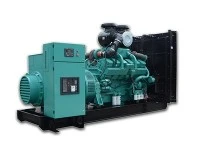
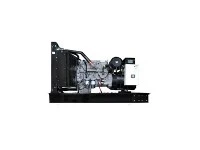
Some well-known suppliers focus on the most powerful industrial diesel generators, which are great for big facilities, but they aren’t always the best if you want to save on fuel. We’ve built our reputation (and our whole business) on fuel-efficient diesel generators, so we know these models inside out. Our Economical Diesel Generator line is perfect for small to mid-sized businesses that need a reliable backup without burning through fuel. It’s not as powerful as an industrial unit, but it’s way cheaper to buy and run. For people who need a bit more oomph but still want to save on fuel, our High Efficiency Diesel Generator has better engine technology that cuts fuel use by 10-15% compared to standard models.
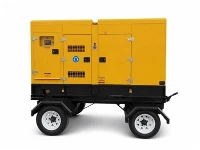
A lot of our customers used to buy generators from the big names, but switched to our Low Fuel Consumption Diesel Generator because they were tired of paying $500 a week just to keep their backup generator running. That’s the thing about reputation—if a supplier can deliver on what they promise (like lower fuel costs), word spreads fast. We also have our Fuel Saving Diesel Generator line for people who use their generator regularly, not just for emergencies. For example, event planners who run generators all weekend long at outdoor weddings—this model is built to run for hours without guzzling fuel, which saves them tons of money over the course of a season.
But let’s get real about the bad reputations out there, too. A lot of small, fly-by-night generator suppliers have popped up online in the last few years, especially since more people are looking for affordable options. These guys buy cheap generators from overseas, slap a brand name on them, and sell them for way less than everyone else. Their reputation is garbage, and for good reason: most of these units break within a year, there’s no support, and if something goes wrong, you can’t even reach the seller. I’ve had customers come to us after buying one of these generators, saying it died during a power outage and they lost thousands in inventory. That’s why reputation isn’t just a buzzword—it’s a matter of not losing your business (or even money) because of a bad generator.
Another thing that affects a supplier’s reputation is transparency. Do they tell you exactly what the generator is capable of, or do they exaggerate to make a sale? The big names sometimes do this with their industrial units—they’ll say a generator can power a whole mall, when it actually can only power half. Mid-sized suppliers, or at least the good ones, are way more upfront. We always ask customers what they need the generator for, how much power they actually use, and whether it’s for emergency backup or regular use, before we even recommend a unit. No pushing the most expensive option, just finding what works for their needs.


Let me wrap this up with some practical stuff, because at the end of the day, you just want to know how to pick a good generator supplier. First, ignore the flashy brands if they don’t fit your needs. If you’re a small café needing backup for a few fridges, you don’t need a $50k industrial Caterpillar unit. Second, check reviews— but not just the ones on the supplier’s website. Look at Google Reviews, Yelp, or even Reddit, where people will say exactly how their experience was (good or bad). Third, ask about support: is there a local technician? What’s the response time if it breaks? No one wants to be stuck in the dark waiting for a service call. Fourth, if fuel efficiency is important (and let’s be real, it is for almost everyone), ask about specific numbers, not just vague terms like “fuel saving.” A good supplier will tell you exactly how much fuel a generator uses per hour at different loads.
If you’re looking for a supplier that’s not stuck in the old-school big-brand mindset, that prioritizes both quality and support, and specializes in fuel-efficient diesel generators, we’re here. Whether you need an economical unit for occasional backup, a high-efficiency one for regular use, or any of our fuel-saving models, we’ve got you covered. We don’t have the global name recognition of Cummins, but what we do have is a reputation for listening to our customers, delivering on our promises, and being there when you need us most. If you’re ready to chat about your generator needs, hit us up—we’d love to help you find the right unit without the hassle and markup of the big guys.
References
- Industry data on generator reliability and after-sales support (2023, Generator Industry Report)
- User reviews and satisfaction surveys for mid-sized and large generator suppliers (2022-2024, Consumer Tech Reviews)
- Fuel efficiency specifications for modern diesel generator models (2024, Energy Star Commercial Equipment Guide)
- Case studies of small business generator sourcing experiences (2023, Small Business Administration Small Business Trends)