Hey there! As a supplier in the generator manufacturing industry, I've been through the ups and downs of running a business. One of the most challenging situations we might face is product recalls. It's not something any of us want to deal with, but it's a reality that we have to be prepared for. So, let's dive into how generator manufacturers handle product recalls.
Understanding the Need for a Recall
First things first, we need to understand why a product recall might be necessary. There could be several reasons for this. Maybe there's a safety issue with the generators, like a faulty electrical component that could cause a fire or electric shock. Sometimes, there could be a manufacturing defect that affects the performance of the generator, making it less reliable or efficient.
For example, if we find out that a batch of our Auto Start Transfer Diesel Generator has a problem with the automatic start mechanism, it's a serious deal. We can't have customers relying on a generator that won't start when they need it most, especially during a power outage.
Detecting the Problem
Detecting an issue with our generators is crucial. We have a quality control process in place to catch any potential problems early on. This includes regular testing of the generators during the manufacturing process, as well as inspections of finished products.
But sometimes, problems can slip through the cracks. That's why we also rely on feedback from our customers. If we start getting a lot of complaints about a particular model or feature, it's a red flag. We take every complaint seriously and investigate it thoroughly to see if there's a widespread issue that requires a recall.
Risk Assessment
Once we've identified a potential problem, we need to assess the risk. This involves looking at how many generators are affected, what the likelihood of the problem occurring is, and what the potential consequences could be.
If the problem is minor and the likelihood of it causing harm is low, we might be able to fix it through a software update or a simple repair. But if the problem is serious and could pose a significant risk to our customers, a recall is almost always the best option.
Planning the Recall
Planning a recall is a complex process. We need to figure out how we're going to notify our customers, what we're going to do with the recalled generators, and how we're going to fix the problem.
Notifying Customers
We have a database of all our customers who have purchased our generators. As soon as we decide to initiate a recall, we start sending out notifications. This can be in the form of an email, a letter, or a phone call. We make sure to explain the problem clearly and tell them what steps they need to take.
We also post information about the recall on our website and social media channels. This helps to reach a wider audience and ensures that all our customers are aware of the situation.
Handling the Returned Generators
When customers return their recalled generators, we have a system in place to handle them. They're inspected to confirm the problem and to determine the best way to fix it. Depending on the nature of the issue, we might be able to repair the generators right away. In some cases, we might need to replace certain parts.
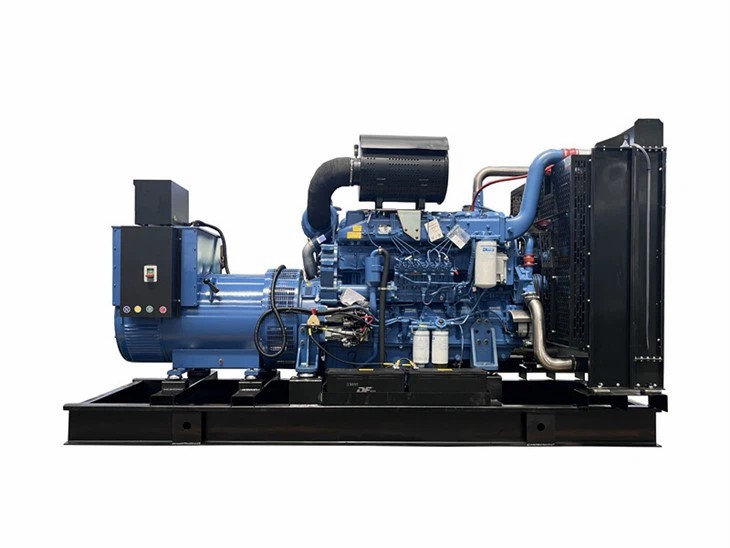

Fixing the Problem
Fixing the problem is obviously the most important part of the recall process. Our engineering team works hard to come up with a solution. This could involve redesigning a component, updating the software, or changing the manufacturing process.
Once we've developed a fix, we test it thoroughly to make sure it works. We also make sure that the fix doesn't create any new problems.
Communicating with Stakeholders
During a recall, it's important to communicate with all our stakeholders. This includes our customers, of course, but also our suppliers, distributors, and employees.
We keep our suppliers informed about the problem and how it affects the components they provide. This helps them to understand the situation and make any necessary adjustments on their end.
Our distributors play a crucial role in the recall process. They help us to reach our customers and ensure that the recalled generators are returned to us. We work closely with them to make sure that the process runs smoothly.
And our employees are also key. They need to be aware of the situation and trained on how to handle customer inquiries and the return of the recalled generators.
Learning from the Experience
After a recall is over, we take the time to analyze what went wrong and how we can prevent it from happening again. This involves looking at every aspect of the process, from the design and manufacturing to the quality control and customer feedback.
We use the lessons we've learned to improve our products and our processes. This might mean implementing new quality control measures, improving our communication with customers, or investing in better testing equipment.
Promoting Our Products After a Recall
A product recall can have a negative impact on our reputation, but we don't let it stop us from promoting our products. In fact, we see it as an opportunity to show our customers that we take their safety and satisfaction seriously.
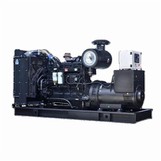
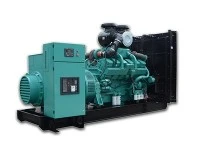
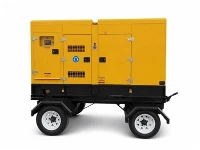
We highlight the steps we've taken to fix the problem and prevent similar issues from occurring in the future. We also promote the features and benefits of our generators, such as the Low Noise Automatic Transfer Diesel Generator, Automatic Control Transfer Diesel Generator, Automatic Transfer Power System Diesel Generator, and Silent Automatic Transfer Diesel Generator.
If you're in the market for a generator, we'd love to talk to you. We have a wide range of high-quality generators that are designed to meet your needs. Whether you need a generator for your home, your business, or an industrial application, we've got you covered. Don't hesitate to reach out to us to discuss your requirements and explore the best options for you.
References
- Some industry - standard quality control guidelines used for benchmarking our manufacturing processes.
- Reports on past product recalls in the generator industry to study common issues and solutions.
- Customer feedback and complaint logs which are crucial for problem detection and improvement.